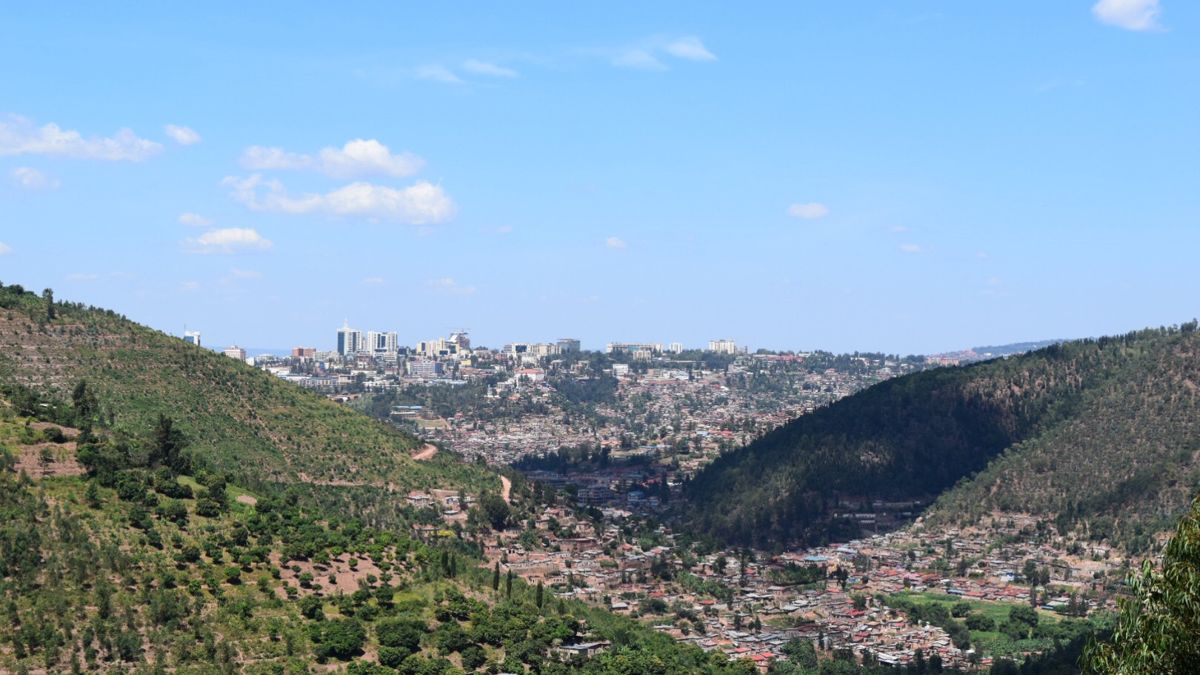
Formula 1 will race in Africa again for the first time since 1993 after signing a 10-year agreement with Rwanda for the Formula 1 African Grand Prix, presented by Visit Rwanda, starting in the early 2030s once a new circuit is ready.
The purpose-built track will sit in Bugesera, about 40 kilometres south of Kigali and next to the new Kigali International Airport. It is being developed to FIA Grade 1 standards as part of a wider sports, tourism and infrastructure project led by the Rwanda Development Board. Former F1 driver Alex Wurz designed the layout; construction oversight involves Tilke and DAR alongside WurzDesign, BBC Sport reported.
Continent-scale commercial bet
F1 says more than 100 million fans already follow the sport across Africa, with almost 60 per cent of fans in key Sub-Saharan markets under 35. President and CEO Stefano Domenicali called Tuesday’s announcement “a landmark moment for Formula 1” that will put the championship on every inhabited continent.
“Africa has always been part of Formula 1’s future, and from the beginning we were determined to return in the right way, with the right partner, a long-term commitment and a clear vision for creating meaningful impact,” Domenicali said.
President Paul Kagame framed the deal as regional economic infrastructure, not a one-off weekend. “The circuit in Bugesera, alongside the new international airport, will bring jobs, skills, tourism and new business to our country and our region for decades to come, because our aim was never a single race weekend, but a lasting benefit for our people,” he said.
Calendar, weather and rights scrutiny
F1 has not fixed a calendar slot. BBC Sport noted the series wants to avoid Rwanda’s main March–May rains and is capped at 24 races a season. South Africa last hosted F1 at Kyalami in 1993; Morocco staged the first African world championship round in 1958.
Human rights groups are already calling the partnership sportswashing. Felix Jakens of Amnesty International UK said Rwanda was “buying into the world’s biggest sports to polish its image” and urged F1 to use its leverage rather than “lend its brand to a PR exercise.” An F1 spokesperson replied that sport can be “a positive force for good” and that the deal can inspire 100 million African fans.
For East African tourism and hospitality operators, the early-2030s calendar entry is a multi-year pipeline: airport traffic, hotel demand, sponsor hospitality and cross-border itineraries into Kenya and Uganda will be planned long before the first lights go out in Bugesera.
Sources: Formula 1 | BBC Sport
Photo: Alex shema / Wikimedia Commons (CC BY-SA 4.0)