Households and businesses will pay more for power this billing cycle after the Energy and Petroleum Regulatory Authority published three Gazette Notices that together add about Sh4.10 to every kilowatt-hour of electricity.
The notices, dated October 9 and signed by EPRA Director-General Edward M. Kinyua, split the increase across a fuel energy cost charge, a foreign-exchange fluctuation adjustment and a Water Resource Management Authority levy.
Fuel charge is the bulk of the bill
The largest slice is the fuel energy cost charge under Gazette Notice No. 16163: 322 Kenya cents (Sh3.22) per kWh on October 2026 meter readings. EPRA said the figure reflects August 2026 fuel-price movements and fuel-displacement costs at thermal plants, including Kipevu III, Rabai Diesel, Triumph Power and other heavy-fuel and diesel stations.
A separate foreign-exchange adjustment of 87 cents per kWh applies to September meter readings. EPRA put combined currency losses across KenGen, Kenya Power and independent power producers at nearly Sh988 million, with IPPs accounting for more than Sh825 million of that total.
The third charge — a WRMA levy of 1.34 cents per kWh for October readings — applies to energy from hydropower plants of at least one megawatt. Hydropower stations including Gitaru, Kamburu, Kiambere and Kindaruma generated about 304.8 million kWh in September, EPRA data show. Total units generated and purchased that month, excluding exports, reached about 1.36 billion kWh.
Pass-through, not a new base tariff
“Pursuant to the 2023 Schedule of Tariffs, all electricity prices will attract an additional Water Resource Management Authority levy of 1.34 cents per kWh for meter readings taken in October 2026,” the regulator said in the notice reported by Capital FM.
The Sh4.10 figure covers only these monthly pass-through adjustments. It sits on top of the base tariff, VAT and other fixed charges. A home using 100 units would see roughly Sh410 more from the adjustments alone; a factory drawing 500 units would face about Sh2,050 before tax.
EPRA continues to reset the fuel, forex and water components each month as oil prices, exchange rates and hydropower output move. Manufacturers already coping with soft demand say the October lift will feed into production costs just as the temporary eight per cent fuel VAT relief approaches its mid-October review.
Pass-through charges are designed so that utilities and independent generators recover verified fuel and currency costs without waiting for a full tariff review. That protects the solvency of power purchase agreements, but it also means consumer bills move every month even when the base tariff is unchanged.
Thermal plants remain a meaningful share of Kenya’s generation mix when hydrology is weak or demand spikes, so diesel and heavy-fuel prices feed straight into the fuel energy cost charge. The forex leg captures dollar-linked capacity and energy payments. Together with the small WRMA levy on hydro output, the October package is another reminder that retail power prices now track global energy and currency markets as closely as they track domestic policy.
Sources: Tuko | Capital FM
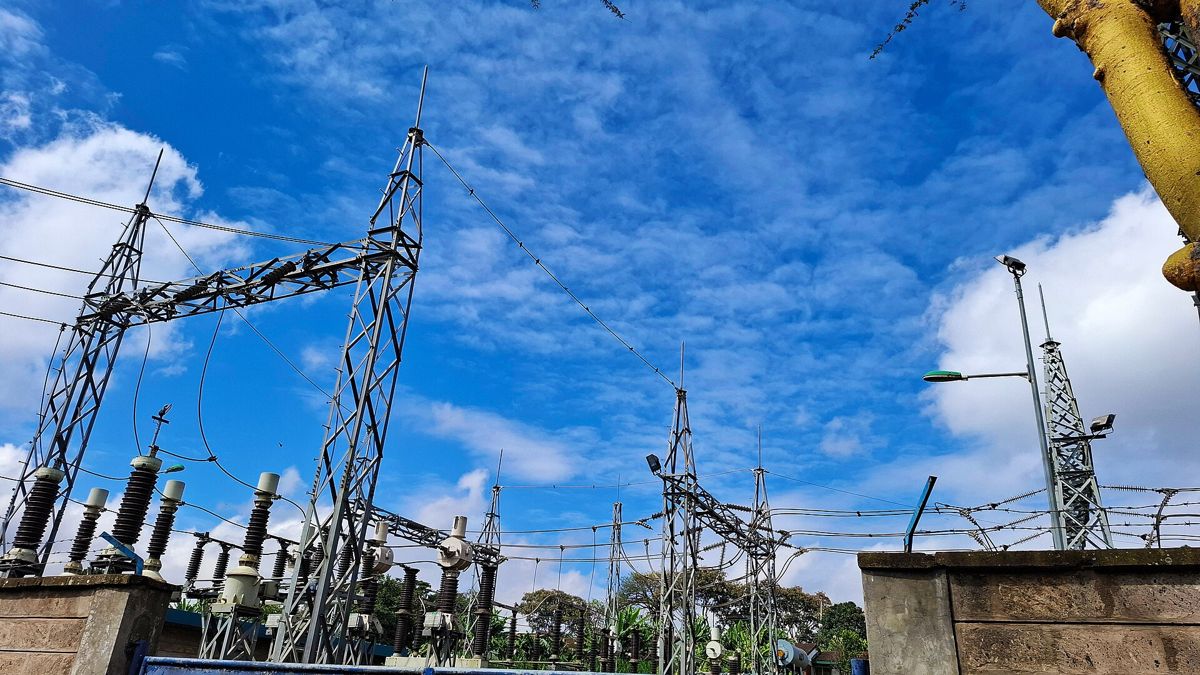
Photo: Queen Asali / Wikimedia Commons (CC BY-SA 4.0)