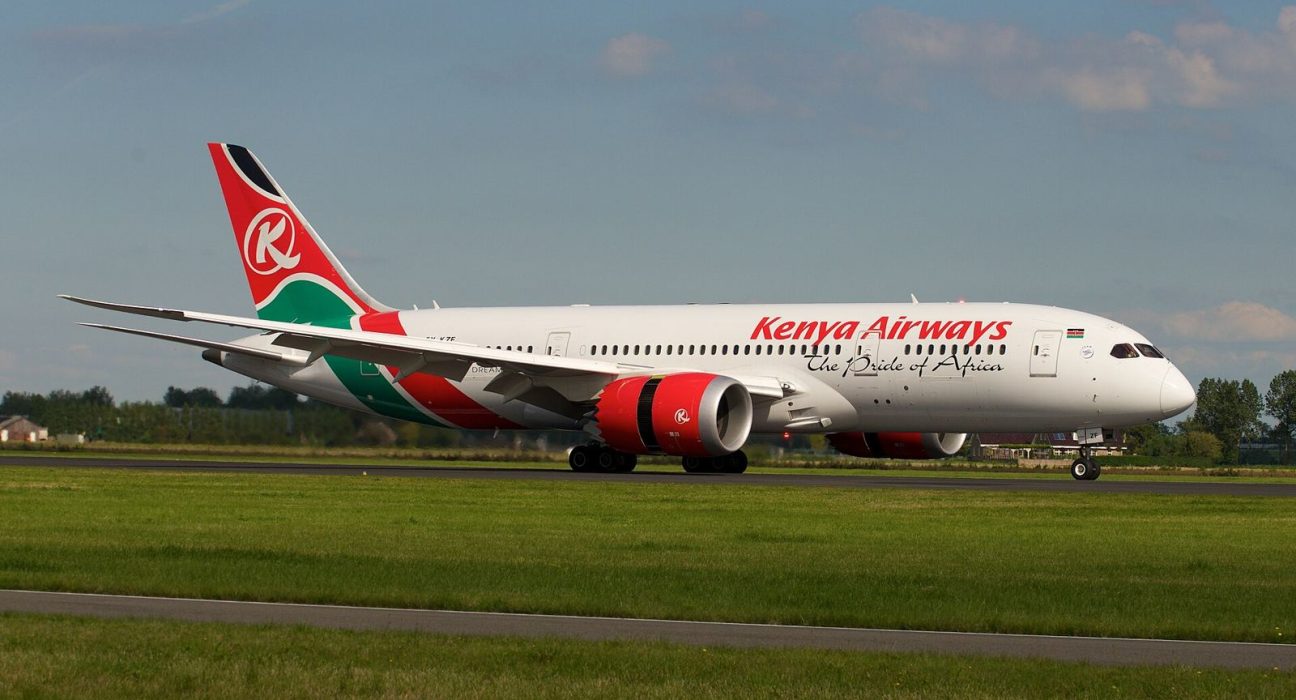
Kenya Airways will receive about Sh45.4 billion ($350 million) in fresh shareholder financing from the government after the Cabinet signed off on the package on Friday, October 9. The money is meant for immediate obligations, chief among them aircraft maintenance and returning grounded planes to service.
The Cabinet also endorsed a separate proposal to convert Sh122 billion in government loans and accrued interest owed by the airline into an equity-qualifying tradable instrument. That second measure does not put new cash into the carrier. It changes how an existing debt sits on the balance sheet.
According to Business Insider Africa, the new financing will be released in instalments under National Treasury oversight and can be repaid over as long as 10 years. It may later be converted into equity, subject to approvals. Both measures still need the relevant corporate, shareholder and regulatory clearances before they take effect.
Market reaction was flat
Investors did not rush in. KQ shares closed Friday unchanged at Sh5.76 on the Nairobi Securities Exchange, The Star reported, a sign that the market wants to see the money turn into flying aircraft and narrower losses before re-rating the stock.
The airline’s numbers explain the caution. In August, Kenya Airways reported that its pre-tax loss widened to Sh15.92 billion for the first half of 2026, from Sh12.17 billion a year earlier. Fuel costs jumped 72 per cent and made up roughly half of total expenses as conflict in the Middle East pushed up oil prices and disrupted deliveries of spare parts and maintenance services.
Those maintenance delays have kept part of the fleet on the ground even as passenger demand held up. Every idle aircraft is lost revenue on routes the carrier has already committed to, which is why the Cabinet tied this tranche directly to getting planes back in the air.
The bigger fundraising
The Sh45.4 billion is only one piece of a wider plan. Kenya Airways is looking for at least $1.5 billion (about Sh194 billion) in new capital to repair its balance sheet, restore capacity and fund expansion. Chairman Kiprono Kittony said in August that the process should wrap up by the first quarter of 2027. The Treasury has set itself an earlier goal of landing a strategic investor by December.
Converting the Sh122 billion of state loans into an instrument that can count as equity is designed to make the airline more attractive to that investor. A partner putting in hundreds of millions of dollars will want a cleaner capital structure and clarity on how much of the company the government will ultimately own.
The government says the carrier contributes more than $1.3 billion a year to the economy through tourism, trade and regional connectivity, the argument it has used repeatedly to justify support.
What it means for business
For exporters of flowers, fresh produce and fish that depend on belly cargo out of Jomo Kennedy International Airport, more aircraft in service means more capacity and, potentially, steadier freight rates. Tour operators heading into the December peak will also watch whether grounded planes return in time.
For taxpayers, the package adds to a long list of state interventions at the airline since its 2017 debt restructuring. The terms of any strategic investor deal, and how far the government’s stake is diluted, will decide whether this round ends differently.
Shareholders are likely to wait for the full-year numbers and a named investor before treating the stock as a turnaround play.
Sources: The Star | Business Insider Africa