The Kenya Revenue Authority closed the first quarter of the 2026/27 financial year Sh58.2 billion short of its ordinary revenue target, even as collections grew faster than a year earlier, National Treasury data show.
Ordinary revenue — tax and non-tax receipts — came in at Sh655.8 billion for the three months to September, 14.4 per cent higher than the Sh573.5 billion collected in the same period of 2025. That recovered from a 2.9 per cent contraction a year earlier, but still left a large gap against the budgeted path.
Income tax and excise drive the miss
By the end of September, overall revenue collection was below target by Sh40.4 billion. Ordinary revenues accounted for the Sh58.2 billion shortfall, while ministerial appropriations-in-aid beat their target by Sh17.8 billion.
Income tax recorded the largest gap at Sh25.4 billion, with receipts of Sh297.9 billion against a target of Sh323.3 billion. Excise duty was short by Sh16.3 billion. Collections from all major tax heads except import duty were below target despite recording growth.
“Revenues grew by 15.9 per cent by the end of September 2026 compared with a growth of 1.4 percent at the end of September 2025. Ordinary revenues grew by 14.4 per cent compared to a contraction of 2.9 per cent over the same period,” the Treasury said in a presentation reported by the Daily Nation and Business Daily.
Spending overshoots widen the deficit
Expenditure pressure compounded the shortfall. By end-September, spending had surpassed its target by Sh116.9 billion, including above-target recurrent absorption of Sh59.3 billion, development spending of Sh34.7 billion and county equitable-share transfers of Sh22.9 billion.
The fiscal deficit including grants reached Sh329.1 billion in the first three months, or 1.6 per cent of GDP, against a target of Sh174.8 billion, or 0.8 per cent of GDP. That extra borrowing need lands on a Treasury already managing a large debt stock and will push the government to look harder at both tax design and spending control in the months ahead.
Domestic revenue as a share of GDP has fallen from 18.1 per cent in 2013/14 to a projected 13.9 per cent in 2026/27. The Treasury says it will lean on simpler tax laws, tighter tax expenditures and more non-tax revenue from ministries, and plans to shift some heavy capital projects onto the National Infrastructure Fund.
The fund was established in March 2026 and capitalised with Sh310.6 billion from Kenya Pipeline Company and Safaricom divestiture proceeds. Officials argue that moving part of the development bill off the annual budget should help cut the fiscal deficit from 6.8 per cent of GDP in 2025/26 towards a 5.5 per cent target this year — but only if revenue catches up with the ambitious targets still baked into the budget.
Sources: Daily Nation | Business Daily
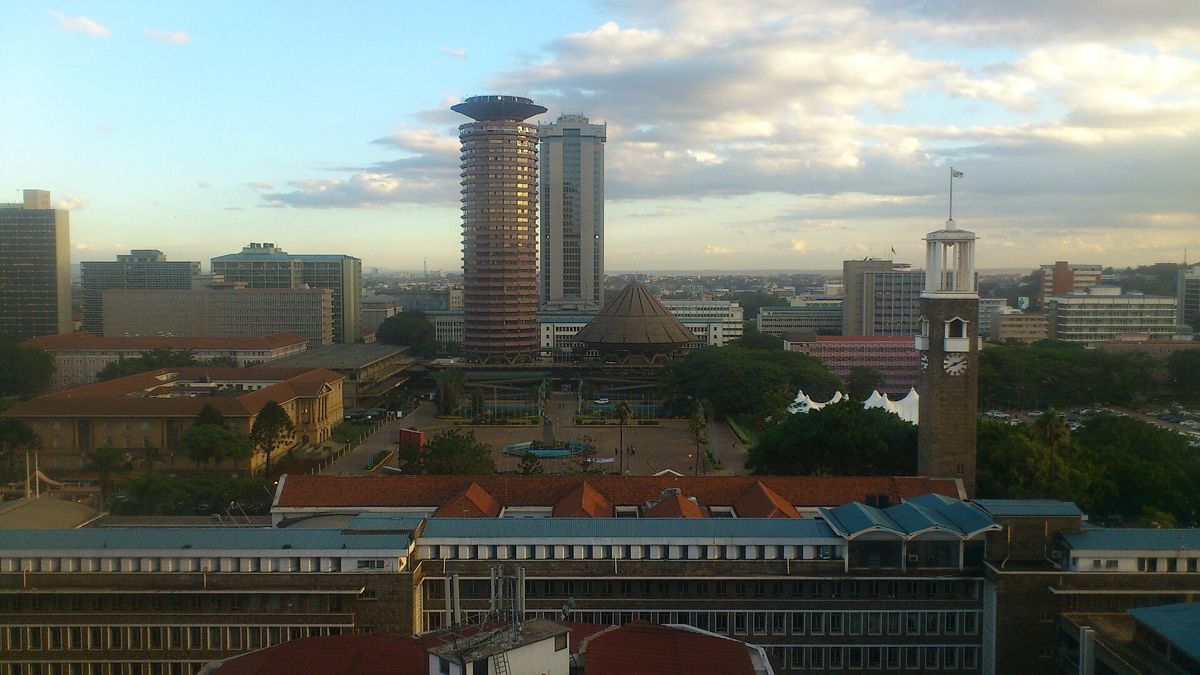
Photo: Arthur Buliva / Wikimedia Commons (CC BY-SA 3.0)