Packets of milk have become harder to find in supermarkets in Nairobi, Kisumu and Nakuru, and in some Nairobi estates a litre now costs about Sh85. The government says the dry spell is to blame and expects things to ease once the rains arrive.
Agriculture Cabinet Secretary Mutahi Kagwe said deliveries to processors have fallen by about 5.8 per cent. He ruled out foot-and-mouth disease as the main cause.
“There is a 5.8% drop in the milk that is arriving at the processors. There are two reasons why this is happening. One is because of the drought, which means in effect that animals are not being fed, dairy cattle are not being fed as well as they should,” he said in an interview on October 6.
Farmers selling direct
The second reason, he said, is that farmers are selling to consumers and middlemen who pay more in cash, instead of delivering to processors. “If there is a seeming shortage and then the prices go up and the processor is not passing that money to the farmer, the farmer will go where he can find it,” Mr Kagwe said.
Kenya Dairy Board data shows formal intake dropped to about 84.44 million litres by June. Panic buying, with households picking up several packets at a time, made the gaps on shelves worse.
Farmers with feed are doing well. Production costs average about Sh36.20 a litre, while processors and private buyers are offering Sh55 to Sh60 at the farm gate, according to industry figures cited by Pulse Kenya.
Pressure on the household budget
The shortage shows up in official prices. Food and non-alcoholic drink prices rose 9.5 per cent in the year to September, helping lift overall inflation to 6.8 per cent. Fresh unpackaged milk was up 7.7 per cent and long-life milk 11.9 per cent, Business Today reported.
President William Ruto has urged farmers to look at camel, goat and sheep milk to diversify supply in dry areas.
When it may ease
Mr Kagwe expects supply to bounce back within months of the rains, possibly into a glut. He said more firms can now turn surplus milk into powder for export and that about 230 coolers have been distributed to farmers in the last two years to cut waste.
Until pastures recover, families may want to compare prices between packet brands and fresh milk outlets, and watch for retailers who ration packets.
Sources: Pulse Kenya | Daily Nation | Business Today
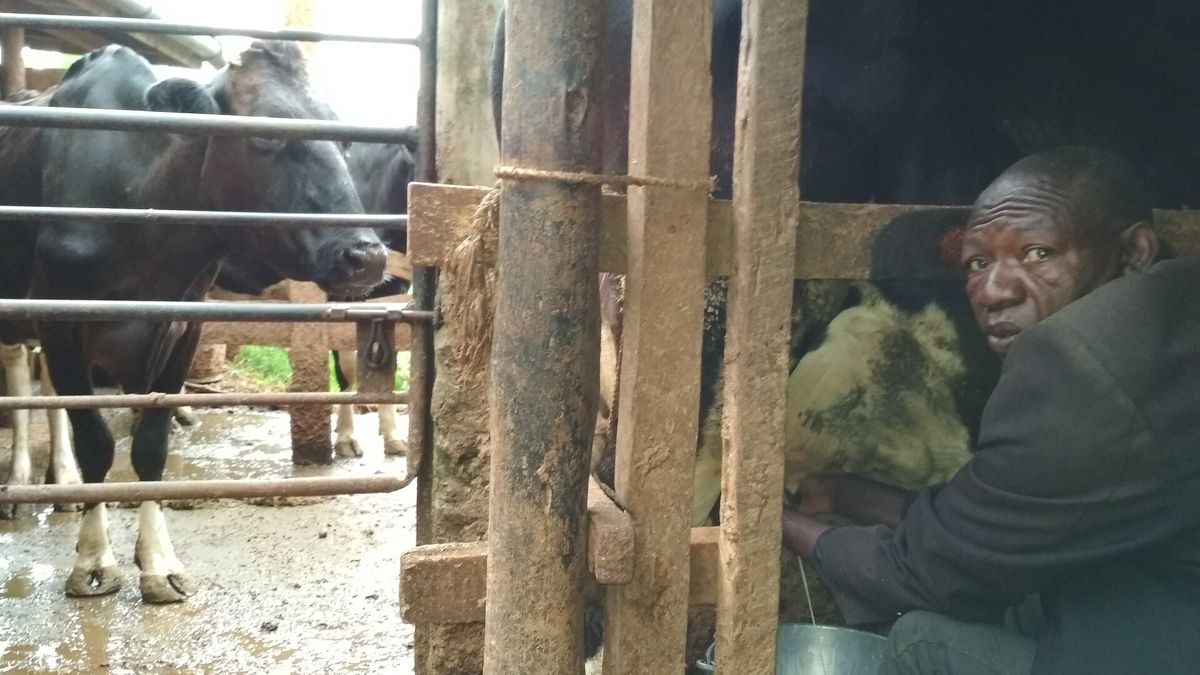
Photo: Maina Pat Mbae / Wikimedia Commons (CC BY-SA 4.0)