Get breaking business news on WhatsApp
Makers and sellers of bottled miraa drinks face fines of up to KSh1 million or jail after the Kenya Bureau of Standards (Kebs) said it has never certified any khat-based beverage, and that some firms have been passing them off under permits meant for fruit juice.
In a notice dated October 16 and issued under the authority of director general Esther Ngari, the regulator said it had found manufacturers certified to produce fruit juices and fruit drinks using those permits to market drinks infused with khat, which is sold locally as miraa, muguka or jaba.
“Kebs wishes to clarify that certification permits are valid only for the products covered by the approved scope of certification and do not extend to khat-infused beverages or any other products outside that scope,” the notice said, according to The Star.
The bureau said khat products sit outside its certification scheme altogether. “KEBS currently excludes khat and khat-derived products from its product certification scheme because of the regulatory considerations relating to khat and its psychoactive constituents, including cathinone and cathine. KEBS has therefore not issued Standardisation Mark permits for any khat-infused beverages,” it said, as reported by Kenyans.co.ke.
Permits revoked
Kebs said it had already acted against some firms. “Kebs has revoked certification permits in identified cases of non-compliance and will continue to undertake market surveillance and take appropriate action against manufacturers and traders found misusing the Standardization Mark,” the statement said.
Under the Standards Act, first offenders face a fine of up to KSh1 million, up to 12 months in jail, or both, the Daily Nation reported on Saturday. Repeat offenders face up to three years in prison, a fine, or both.
“Members of the public are advised that khat-infused beverages are not currently certified by Kebs, and any representation to the contrary is misleading,” the bureau said.
Consumers can check a product’s certification by SMS on 20023 and report suspected misuse of the mark on the toll-free line 1545, Kebs said.
A new market for an old crop
The warning lands on a new value-addition business built on turning miraa into processed drinks for buyers who would rather not chew the leaves for hours. The Nation cited Handas Juice, founded by Brian Kiribwa after he returned from the United States in 2020. The firm processes between 200 and 250 kilogrammes of raw miraa a day and sells 500ml bottles for between KSh450 and KSh1,000.
Entrepreneurs trying to process the crop into juices, teas and energy drinks have long run into the regulation of cathinone and cathine, the compounds behind miraa’s stimulant effect. A parliamentary sitting in May this year discussed legal hurdles to developing miraa juice, tea bags and other products, the Nation reported.
The National Authority for the Campaign Against Alcohol and Drug Abuse (Nacada) classifies khat alongside alcohol and tobacco as a substance that can contribute to dependence and substance use disorders, The Star noted.
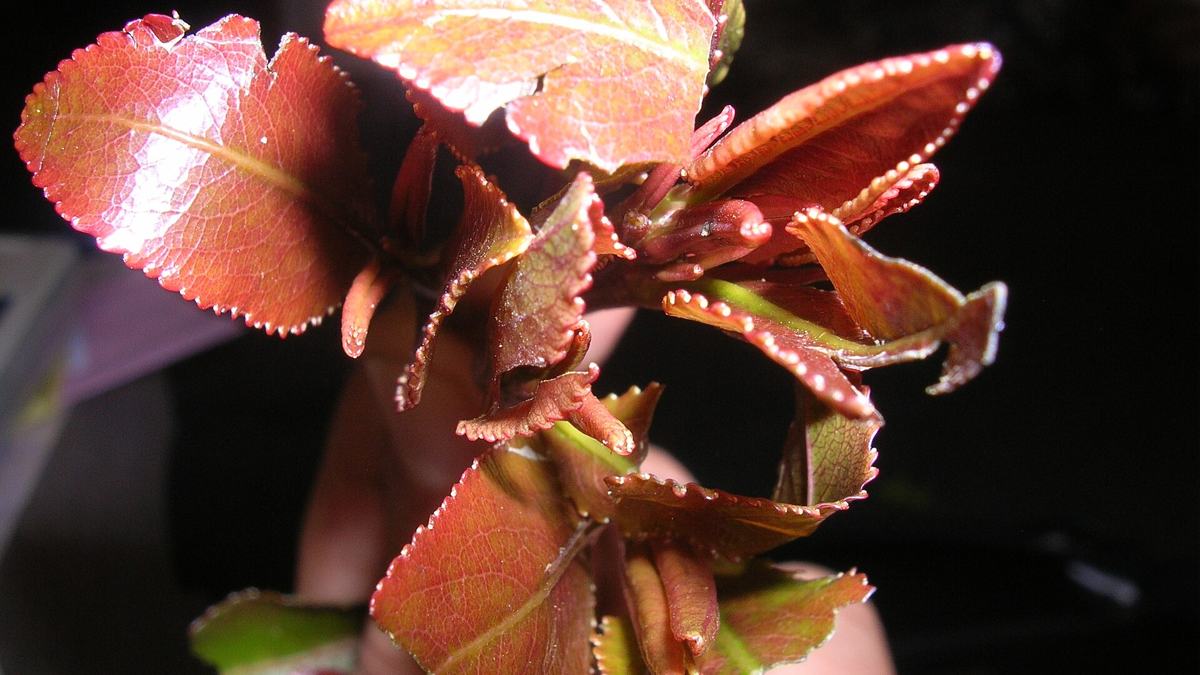
Miraa is a legal cash crop in Kenya and was declared a scheduled crop in 2016. According to the Agriculture and Food Authority, the sub-sector earns the country about KSh13 billion a year, with Somalia, Israel and the Democratic Republic of Congo as the main export markets.
Kebs published a code of practice in 2021 covering hygienic production, handling and distribution of the crop, from growers to shippers. Separately, the government reopened designated Kenya-Somalia border points in February this year to allow road transport of miraa into Somalia after requests from traders, Kenyans.co.ke reported.
The bureau did not say how many permits it had revoked or name the firms involved.
Prefer WhatsApp? Follow Business Radar on WhatsApp
Weekly, free. We only use your email for this newsletter and you can unsubscribe in one click. Privacy policy.