Get breaking business news on WhatsApp
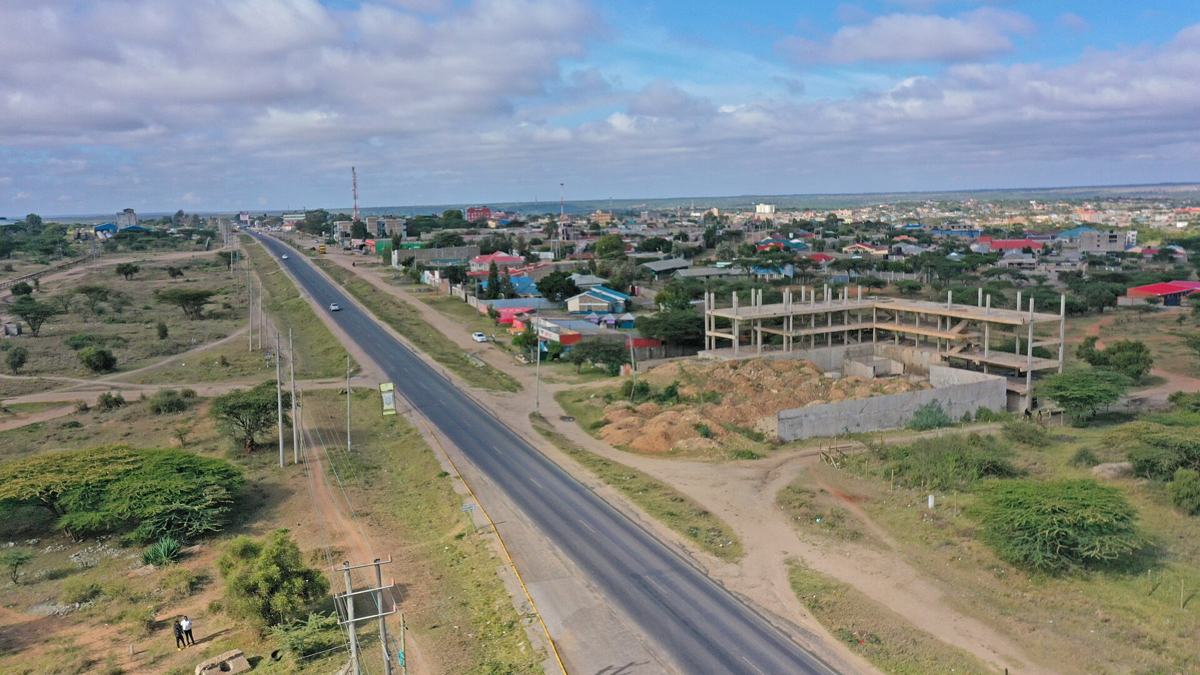
UMMA University plans to spend KSh770.8 million on two student hostel blocks at its main campus in Kajiado County, according to an environmental impact assessment report filed with the National Environment Management Authority (NEMA).
The report, dated August 2026 and prepared for the UMMA University Trust, puts the total project cost at KSh770,845,522. Of that, KSh770,846, or 0.1 per cent, is payable to NEMA as the fee set under the Environmental (Impact Assessment and Audit) Regulations.
Two five-storey blocks
The hostels will go up on L.R. No. Kjd/Kipeto/2419, inside the campus on the Nairobi-Namanga Road at Kisaju in Kajiado West. Each block will have a ground floor and four upper floors. The design table lists 316 bed spaces, split equally between a 158-bed male wing and a 158-bed female wing, in rooms for four or two students.
At that cost and capacity, the project works out to about KSh2.44 million per bed space. The budget also covers ablution blocks, common rooms, game rooms, prayer rooms, laundry and drying areas, locker rooms, walkways, parking and landscaping.
The report’s water estimate uses a much larger number of residents. It assumes the hostels will house about 1,248 students using 90 to 100 litres each per day, or 112,320 to 124,800 litres a day in total. The report does not explain the gap between that figure and the 316 beds in its design table.
Why the university wants to build
According to the report, part of the student body lives off campus in Kajiado township and along the Nairobi-Namanga corridor, which raises concerns about commuting safety and cost. The hostels are meant to expand on-campus housing as enrolment grows and to give students a “consistent, values-aligned residential learning environment”.
The university advertised the construction works in June under Tender No. UUT/02/2026. NEMA approved the terms of reference for the assessment on May 15, 2026.
Water, power and jobs
Water for construction will come from registered vendors and existing campus boreholes. Once open, the hostels will use the campus supply, topped up with rainwater harvesting and storage tanks because of Kajiado’s semi-arid climate. Power will come from the Kenya Power grid, with solar panels for common-area and security lighting and solar water heating where feasible.
Wastewater from the hostels will be connected to the existing campus treatment system, and storm water will be channelled through graded surfaces and drains into the campus network. In response to dust, noise and water concerns raised by neighbours and students during consultations, the report proposes limiting construction to 8am to 5pm on weekdays and 8am to 1pm on weekends, suppressing dust twice a day and testing borehole yields before work starts.
Building work is expected to create jobs for masons, carpenters, electricians, plumbers and casual labourers, many of them from the local community. The contractor will be required to give preference to local workers, both skilled and unskilled, while the finished hostels will need wardens, cleaners, security guards and maintenance staff.
Conditional approval recommended
The consultants found that “no significant unmitigable adverse impacts will arise” and recommend that NEMA grant conditional approval, provided the university follows its environmental management plan. Proposed measures include scheduling noisy work outside lecture and exam hours, dust screens, a backup borehole, phased construction, fire detection systems and regular fire drills once students move in.
The report does not give a construction timeline or say when the hostels are expected to open.
Prefer WhatsApp? Follow Business Radar on WhatsApp
Weekly, free. We only use your email for this newsletter and you can unsubscribe in one click. Privacy policy.