


Get breaking business news on WhatsApp
Uganda and Tanzania have agreed to fast-track the Tanga energy hub, the East African Crude Oil Pipeline (EACOP) and a new railway link. That matters for Kenya because about 95% of the fuel Uganda imports still moves through Mombasa and the Kenya Pipeline Company (KPC) network. Presidents Yoweri Museveni and Samia Suluhu Hassan made the commitments at State House, Entebbe, on Wednesday 18 November 2026, during a two-day state visit that ended on 19 November.
State House Uganda set out the agreements in a statement on 18 November and a joint communiqué published by the Uganda Media Centre. Uganda National Oil Company (UNOC) gives the fuel figures in its statement on its KPC shareholding, and the Kenyan export values come from the Central Bank of Kenya’s table of exports to selected African countries.
On this page
What the Tanga energy hub deal covers
According to State House Uganda, the two leaders welcomed progress on EACOP, which they put at 93.9% complete, and called for the remaining construction, testing, commissioning and operational readiness work to be speeded up. EACOP will carry Ugandan crude to the Tanzanian port of Tanga for export.
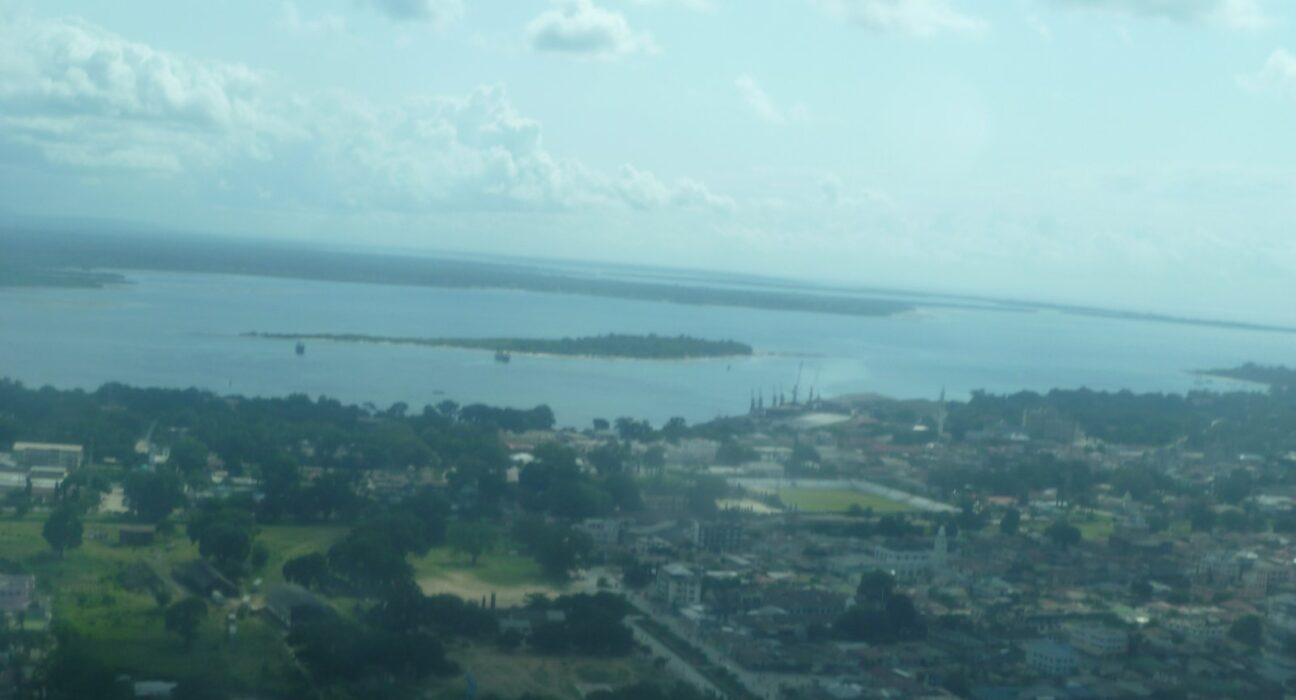
They then went further than crude. The presidents directed officials to speed up the Memorandum of Understanding signed in August 2026 to develop Tanga into a regional energy hub. The communiqué describes the Tanga energy hub as a base for petroleum storage, refining, trading, distribution and logistics, with possible joint ventures in fertilisers, plastics, industrial chemicals and other petroleum-based products.
The statement also lists four other projects:
- faster development of natural gas and refined petroleum products pipelines between the two countries;
- a 400kV power interconnector linking Wobulenzi, Masaka, Ibadakuli and Shinyanga;
- a Framework Agreement, now signed, for the Isaka–Lusahunga–Murongo/Kikagati–Mpondwe standard gauge railway, with ministries told to speed up feasibility studies, designs and financing;
- the MV Mwanza vessel, which Tanzania says will run between Mwanza and Port Bell in Kampala with room for 400 tonnes of cargo and 1,200 passengers.
Museveni said Uganda plans a small refinery at Hoima while supporting a larger refinery at Tanga, and warned that separate national plans would duplicate infrastructure and raise costs. The two governments also agreed to set up a Tanzania–Uganda Joint Trade Committee to deal with non-tariff barriers.
Why the Tanga energy hub matters to Kenya
Kenya is Uganda’s main fuel gateway today. UNOC, which is the sole importer of bulk petroleum products for the Ugandan market, says Uganda brings in about 95% of its petroleum products, nearly 2.96 billion litres a year, through Kenya via the Port of Mombasa and the KPC pipeline system. Uganda’s monthly demand is about 240 million litres and is growing at around 7% a year, according to UNOC.
The same UNOC statement says about 65% of the transit volumes that pass through the KPC system are bound for Uganda, and that this traffic brings in nearly 35% of KPC’s revenue. UNOC itself bought a 20.15% stake in KPC during the company’s listing on the Nairobi Securities Exchange, while the Government of Kenya kept 35%.
A Tanga energy hub with storage, refining and a refined-products pipeline into Uganda would give Kampala a second large route for petrol and diesel. UNOC already says Uganda tops up supply through Dar es Salaam and Tanga. The Entebbe commitments point to that share growing over time, which is the main risk for Kenyan transporters, depot operators and KPC.
Kenya’s export numbers at stake
Uganda is also Kenya’s largest market in Africa for goods in general. CBK figures show the scale:
| Month (2026) | Kenya exports to Uganda | Exports to all listed African countries |
|---|---|---|
| January | KSh 30.2 billion | KSh 69.9 billion |
| March | KSh 35.3 billion | KSh 67.6 billion |
| June | KSh 56.5 billion | KSh 92.6 billion |
| July | KSh 48.8 billion | KSh 94.8 billion |
| August | KSh 56.8 billion | KSh 102.8 billion |
| January–August total | KSh 324.6 billion | KSh 640.3 billion |
That puts Uganda at about 51% of the value of Kenya’s exports to the African countries CBK tracks in the first eight months of 2026, and 55% in August alone. Much of the traffic rides the same Mombasa–Nairobi–Malaba road and rail corridor that carries Uganda’s fuel. For more on what Kenya sells across the border, see our breakdown of Kenya’s exports to Uganda.
What changes now, and what does not
The Tanga energy hub will not change trade flows overnight. The Entebbe statements are commitments to speed up work, not finished projects. The Tanga energy hub rests on an MoU, the refined-products pipeline has no published route, cost or start date in the communiqué, and the Isaka–Mpondwe railway is still at the feasibility, design and financing stage.
KPC’s position also has a built-in buffer: through UNOC, the Ugandan government is now one of its biggest shareholders, so it shares in the pipeline’s earnings. Readers following the company can read our KPC AGM 2026 report.
For Kenyan motorists, the Tanga energy hub has no direct effect on pump prices. EPRA sets Kenya’s prices each month from landed costs; the current caps are in our EPRA fuel prices for November 2026 story.
What to watch next on the Tanga energy hub
- EACOP first oil. At 93.9% complete, the next milestones are testing and commissioning. First crude through the pipeline would show whether Tanga is ready to handle larger energy volumes.
- A pipeline route. Any feasibility study or financing deal for a refined-products line from Tanga to Uganda would be the clearest sign of competition for the Kenyan route.
- KPC transit volumes. KPC’s next results will show whether Uganda-bound volumes are still growing.
- Kenya’s response. Watch for statements from the Ministry of Energy and Petroleum, KPC or the Northern Corridor states on tariffs, the Kisumu route and transit times.
Businesses that sell into Uganda or depend on transit trade can track these regional moves on Business Radar. Firms that want to reach the same audience can see our advertising options.
Frequently asked questions
What is the Tanga energy hub?
It is a plan, set out in an August 2026 MoU between Uganda and Tanzania, to build petroleum storage, refining, trading, distribution and logistics facilities at the port of Tanga, with possible fertiliser, plastics and chemical plants. The two presidents agreed on 18 November 2026 to speed it up.
How much of Uganda’s fuel passes through Kenya?
About 95% of Uganda’s petroleum product imports, nearly 2.96 billion litres a year, come through Mombasa and the KPC pipeline system, according to Uganda National Oil Company.
How complete is EACOP?
The Uganda and Tanzania presidents put the East African Crude Oil Pipeline at 93.9% complete in their 18 November 2026 statement.
Will the Tanga energy hub raise fuel prices in Kenya?
Not directly. Kenya’s pump prices are set monthly by EPRA from import costs. The risk to Kenya is lost transit business on the Northern Corridor if Uganda shifts fuel imports to Tanzania over time.
Prefer WhatsApp? Follow Business Radar on WhatsApp
We will email you a weekly money and business brief. We store your email (and your name, if you give one) for that purpose, under the Kenya Data Protection Act, 2019. You can unsubscribe at any time. Privacy policy.

