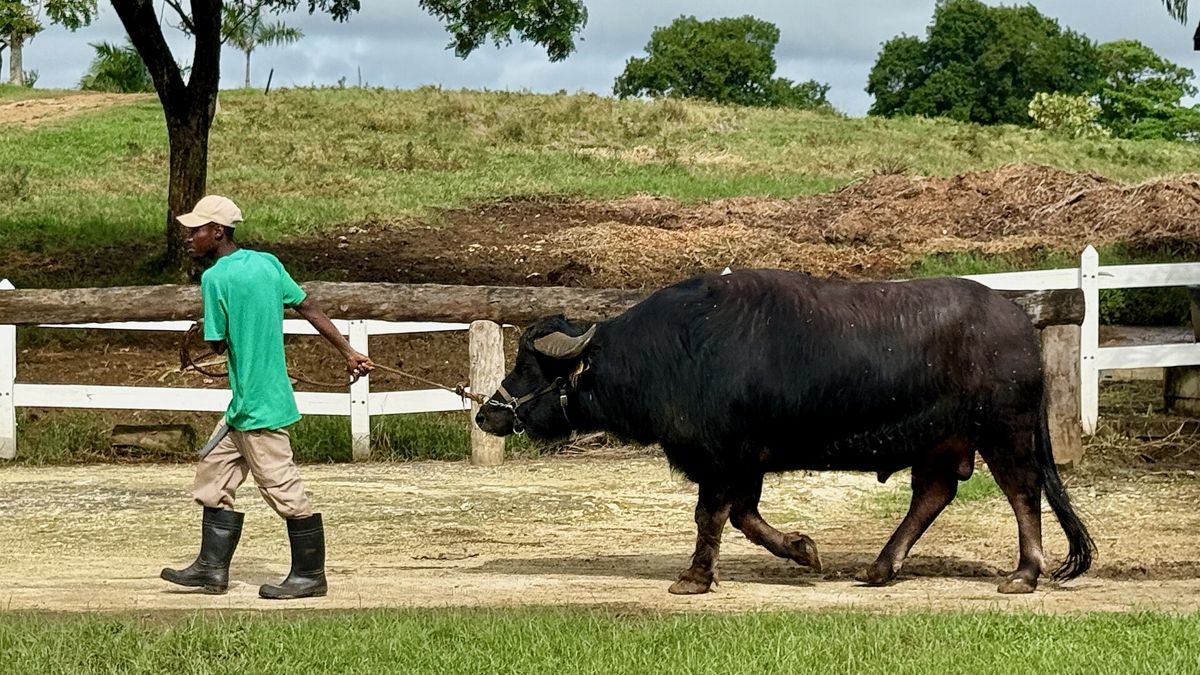
Kenya is preparing to import domesticated Murrah water buffaloes from India as one response to recurring milk shortages, Livestock Development Principal Secretary Jonathan Mueke has said, stressing that the plan does not involve wild buffalo from national parks.
Speaking on Citizen TV and reported by Tuko and The Kenya Times, Mueke said the breed produces high-fat milk suited to butter, cheese, yoghurt and ghee. President William Ruto had urged officials at an agriculture summit at Jamhuri Park to source improved camel and buffalo breeds after asking why Kenya could not milk buffaloes as other countries do.
Domesticated breed, not park wildlife
“We are not going for the wild buffalo that are out in the national park. This is a domesticated buffalo formerly known as a water buffalo, and the specific breed we are looking at from India is the Murrah breed,” Mueke said.
Cabinet Secretary Mutahi Kagwe declared the domesticated water buffalo (Bubalus bubalis) a food animal under the Meat Control Act through Gazette Notice No. 977 of January 31, 2025. That step cleared legal ground for consuming its milk and meat. The notice refers to the species broadly rather than naming a single breed.
Mueke said Kenyan veterinary officers had visited India, worked with Indian counterparts, and found the animals kept on farms like cattle, goats or sheep. He described the meat as leaner and lower in cholesterol than typical Kenyan beef, and the hide as larger and tougher for leather goods that need bigger panels.
Government farms first
Import standards are complete, the PS said. What remains is purchasing animals ordered from almost 800 Indian farmers under a government-to-government arrangement with India.
“For research purposes, we will import as government first for our government farms, especially our genetics organization, so that we can understand the animal husbandry around it and its feeding patterns before we import it for private farmers,” he said.
Mueke argued the animals are hardier than ordinary dairy cows and convert feed more efficiently, points that matter after drought has thinned milk volumes on shelves and pushed retail prices higher in recent months. Related coverage of the shortage has cited drops such as from 84.4 million litres in June to 81.3 million litres in July 2026.
Quantities, arrival dates and the final purchase terms have not been published. Until research herds are on government farms, private dairy producers will wait to see whether Murrah buffaloes fit Kenyan feed, climate and market conditions before any wider rollout is approved.
Sources: Tuko | The Kenya Times
Photo: Oleg Yunakov / Wikimedia Commons (CC BY-SA 4.0)