Kenya Pipeline Company Plc (NSE: KPC) grew net profit 13 per cent to Sh11.58 billion in the year to June 2026, up from Sh10.24 billion. The results, announced on Wednesday, are the company’s first full-year numbers since its privatisation and listing on the Nairobi Securities Exchange earlier this year.
Group revenue rose 9 per cent to Sh43 billion from Sh39.5 billion, and profit before tax climbed 8 per cent to Sh17.54 billion. Local and transit petroleum volumes moved through the network grew 7 per cent, which drove the gain in the top line.
The board recommended a first and final dividend of Sh5.9 billion, or Sh0.32 per share, for shareholders on the register when it closes on November 30.
Cash pile swells as debt falls
The balance sheet is where KPC changed most. Cash generated from operations rose 34 per cent to Sh17.39 billion. Cash and cash equivalents jumped 84.4 per cent to Sh20.54 billion, and borrowings fell 83 per cent to Sh442.86 million, leaving the pipeline operator with almost no debt.
Total assets increased 6 per cent to Sh149 billion and shareholders’ equity rose 11 per cent to Sh119 billion. That gives the newly listed company room to fund expansion from its own resources. For retail investors deciding whether to hold the stock for the payout or keep the cash in money market funds, the Sh0.32 payout is the first yardstick of what the listed KPC will return to shareholders.
“We have managed to grow our top line and bottom line while improving operating cost efficiencies,” acting managing director Pius Mwendwa said. He added that the company kept growing despite volatility linked to the crisis in the Middle East.
Sh68 billion revenue target by 2030
KPC is aiming for revenue of Sh68 billion by the 2030 financial year, which would be more than 50 per cent above this year’s figure. Chair Faith Bett-Boinett, whose appointment the High Court recently upheld against a union challenge, set out a plan to turn the former Kenya Petroleum Refineries site at Kipevu in Mombasa into an integrated petroleum trading hub for transhipment, bulk-breaking, bunkering and re-export.
The company also plans to move beyond pumping and storing refined fuel into storage and re-export services, liquefied petroleum gas, liquefied natural gas, biofuels, power and third-party trading. In the region, KPC wants to extend its pipeline from Eldoret to Kampala and on to Kigali. The board said the 320-million-litre Kampala Storage Terminal in Uganda supports that plan.
Fossil fuels still carry the business
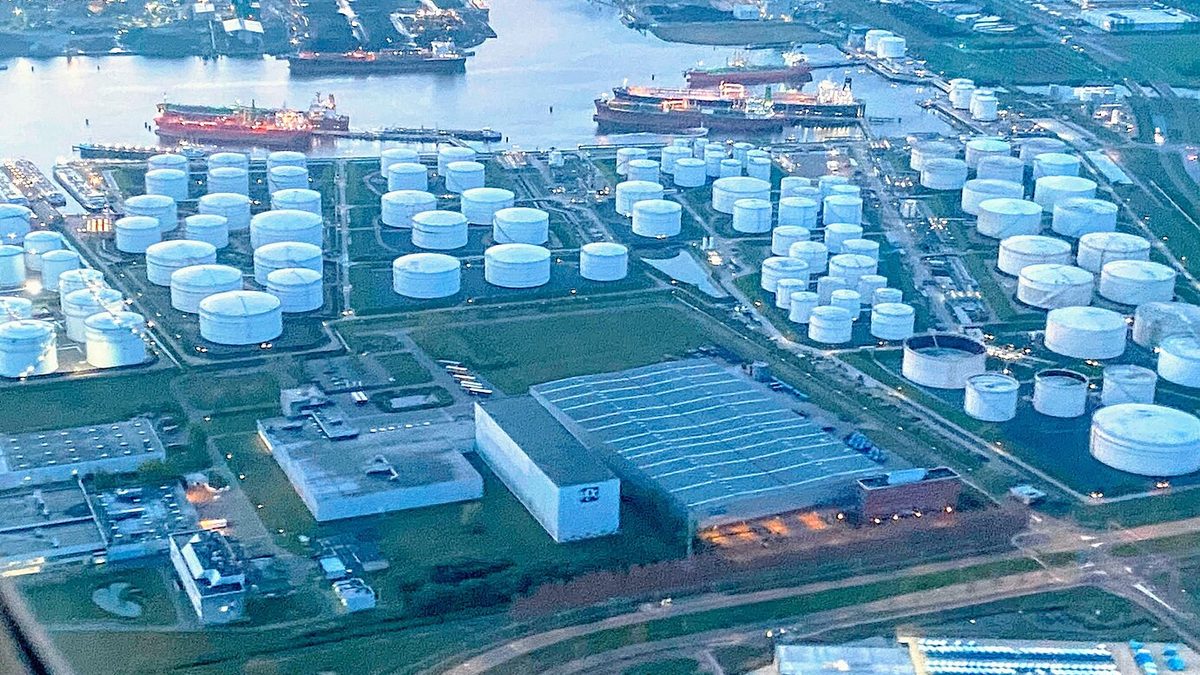
Despite the diversification talk, storing and transporting petroleum products remains KPC’s core business. The firm runs a pipeline network of about 1,342 kilometres that carries fuel from Mombasa to inland depots and serves both the local and transit markets.
Higher volumes, a stronger cash position and a cleaner balance sheet give the company a solid base for its first year as a listed firm. Its next test is whether new revenue lines such as LPG, LNG and regional trading can close the gap to the Sh68 billion goal while the main pipeline business keeps growing.
Sources: The Star, Business Now, Nairobi News. Last updated October 2026.