The government is seeking to keep Value Added Tax on petrol, diesel and kerosene at eight per cent for another 90 days, stretching the lower rate from Wednesday’s expiry to mid-December as Middle East tensions keep global oil prices elevated.
The move is contained in the State-sponsored Tax Laws (Amendment) Bill, 2026, reported by the Daily Nation and Business Daily. The eight per cent rate was due to lapse on October 14, the same day the Energy and Petroleum Regulatory Authority sets maximum pump prices for the cycle to November 14.
Why the extension matters today
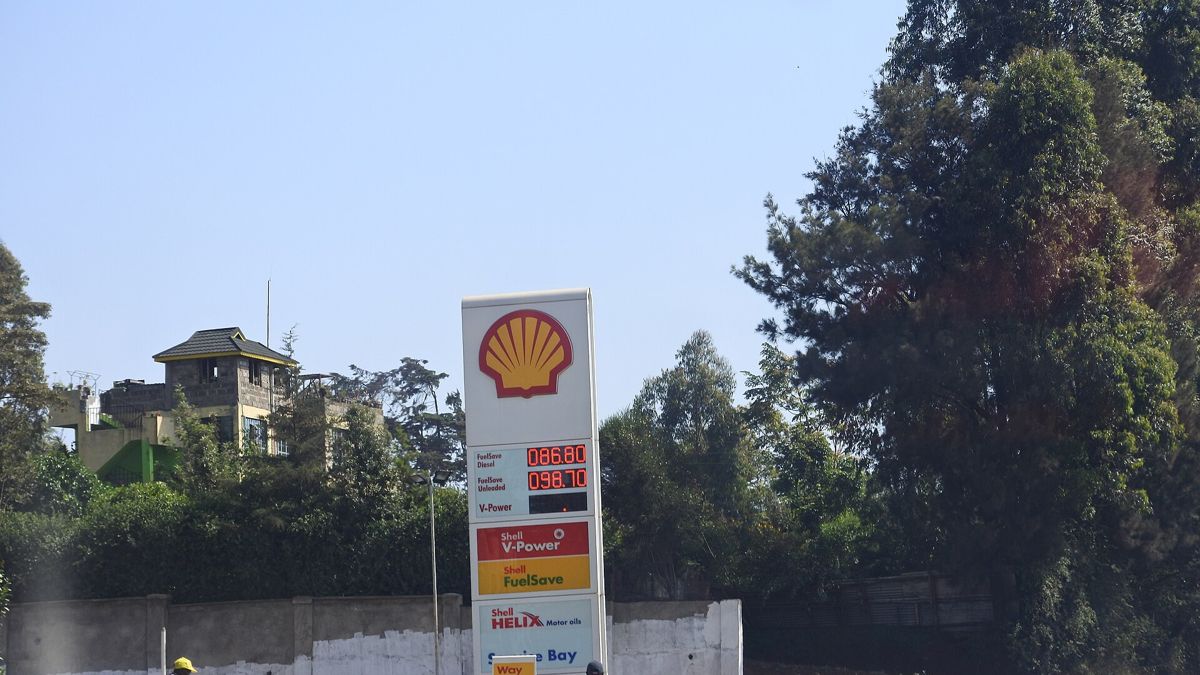
In Nairobi, diesel was retailing at a maximum of Sh217.86 a litre and petrol at Sh214.03 under prices that expire at midnight Wednesday. Oil marketers had warned that without intervention, the new cycle would push costs higher after petrol rose by $87 per cubic metre and diesel by $57 in the first nine days of last month.
Brent crude has traded between about $101.21 and $106.65 since the start of last month, according to the Nation’s report. Kenya imports refined fuel, so those swings feed straight into landing costs at Mombasa.
Majority Leader Kimani Ichung’wah’s Bill states that the rate of tax for the listed petroleum items shall be eight per cent of the taxable value, describing the measure as intended to cushion citizens from rising global fuel prices.
Subsidy kitty under strain
Lower VAT has already cut revenue. The Kenya Revenue Authority said the government forwent Sh9.1 billion in April and May, or about Sh4.5 billion a month. Extending eight per cent VAT to December could mean forgoing upwards of Sh36 billion in VAT collections.
That option has become more important as the Petroleum Development Levy-funded subsidy kitty runs down. The levy is charged at Sh5.40 per litre of diesel and petrol and Sh0.40 per litre of kerosene.
In the monthly cycle to July 14, the State applied a record subsidy of Sh34.07 per litre of diesel. Without it, diesel would have jumped to Sh252.86 from Sh222.86 in that cycle, the Nation reported. The Ministry of Energy and Petroleum warned in June that steep subsidies since the Middle East conflict began had left less room to cushion later months.
Officials are expected to keep the eight per cent rate in Wednesday’s price announcement and later ask Parliament to regularise the extension through the Bill. Until then, motorists and transporters will watch whether landing costs and any remaining subsidy can hold pump prices near current levels.
Sources: Daily Nation | Business Daily
Photo: flightlog / Wikimedia Commons (CC BY 2.0)