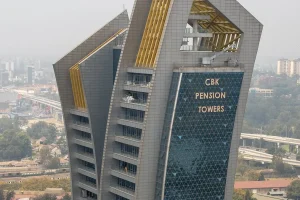
The Kenya Revenue Authority (KRA) has moved to recover a tax bill reported at more than Sh623 million from former Nairobi Governor Mike Sonko by targeting money held in his accounts at First Community Bank.
In a notice dated October 12, 2026, the taxman appointed the lender as its agent, directing it to remit any funds it holds on Sonko’s behalf towards the debt. The demand covers the years 2015 to 2019 and is made up of about Sh308 million in principal tax, about Sh15 million in penalties and about Sh298 million in accrued interest.
Sonko took to social media to share his shock after finding the accounts frozen. The notice remains in force until the full amount is settled.
How a KRA agency notice works
An agency notice is one of the strongest collection tools available to KRA under the Tax Procedures Act. Instead of waiting for a taxpayer to pay, the authority writes to a third party that holds money for them, usually a bank, employer, SACCO or customer, and orders it to pay that money directly to KRA.
Once a bank receives such a notice, it must hold the funds in the affected accounts and transfer them to the taxman up to the amount demanded. In practice, this is why taxpayers often discover the action only when a transaction fails or a balance appears frozen.
The notice in Sonko’s case follows standard recovery procedure, and it will stay in place until the debt is cleared or the taxpayer secures a different arrangement with the authority, such as a payment plan, or a court order.
Interest nearly matches the principal
The breakdown of the demand shows how quickly an old tax debt can grow. Interest alone, at roughly Sh298 million, is almost as large as the original tax of about Sh308 million. Late-payment interest keeps running every month a balance stays unpaid, so liabilities dating back a decade can roughly double over time.
For business owners and individuals with disputed or unpaid assessments, the case is a reminder that tax debts do not fade with time. Engaging KRA early, filing an objection within the legal window when an assessment is wrong, or applying for a payment plan can limit penalties and interest and reduce the risk of a freeze.

Mixed public reaction
Reaction online has been divided. Some of Sonko’s supporters have called the move a political witch hunt, linking it to his recent comments in court and the launch of his new political party. Others questioned how the debt grew so large, while some argued KRA should put the same energy into chasing bigger tax evaders.
KRA has not publicly commented on the specific case beyond the notice itself. Tax matters involving individual taxpayers are generally confidential, and the authority rarely discusses them in public.
What happens next
Sonko can challenge the demand through the tax dispute process, which runs from an objection to KRA, then to the Tax Appeals Tribunal and, if necessary, the High Court. He could also negotiate a settlement or seek waivers on penalties and interest where the law allows.
Until any of that happens, First Community Bank is bound to comply with the agency notice. Businessradar will update this story as more details emerge.