


Get breaking business news on WhatsApp
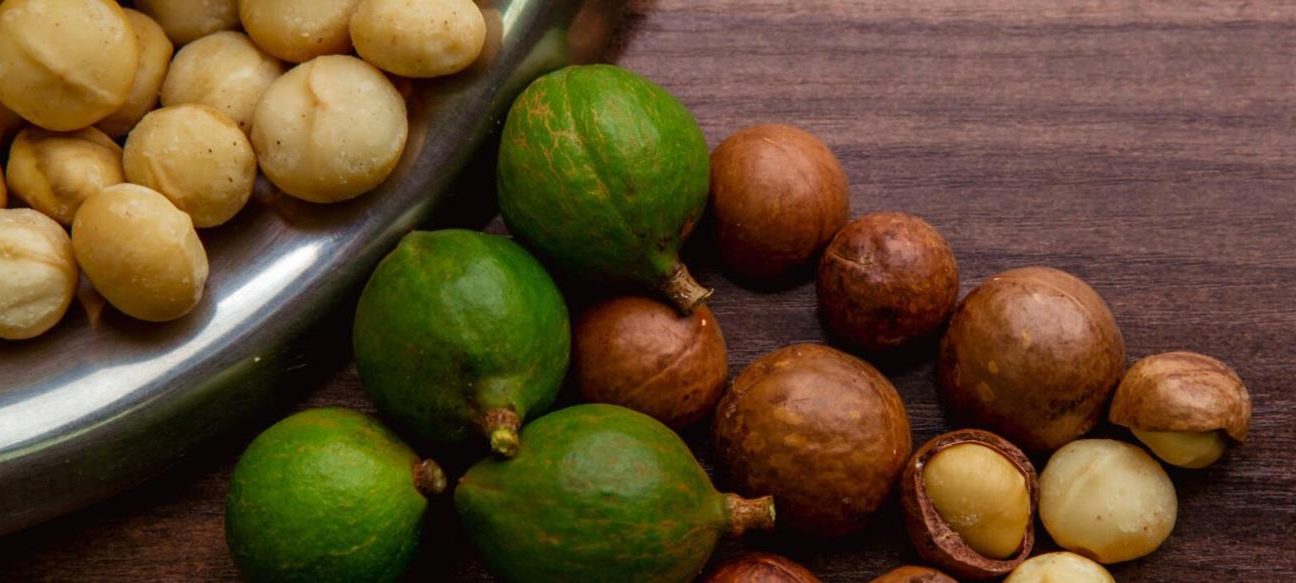
Kakuzi Plc has warned that its 2026 net earnings will come in “significantly below” last year, a sharper drop than the at-least-25% decline it flagged only two months ago, as a slump in global macadamia prices and a smaller crop squeeze the Murang’a-based grower.
The Nairobi Securities Exchange-listed firm issued the updated notice on October 21, signed by chairman Nicholas Ng’ang’a. It replaces the profit warning of August 25, when the board told investors that full-year earnings could fall by at least a quarter. The company did not give a new estimate or say how far profits are expected to fall.
“The Board in its latest review expects net earnings to be significantly below the previous year as a result of the continued downturn in the macadamia market and a lower macadamia crop,” the notice said.
Half-year profit nearly wiped out
The warning follows a difficult first half. Kakuzi’s profit after tax for the six months to June 2026 fell 97.6% to KSh7.11m, from KSh295.54m a year earlier. Sales dropped 26% to KSh1.12bn from KSh1.51bn, and earnings per share slid to KSh0.36 from KSh15.08.
Gross profit fell 82.5% to KSh114.48m, and the group swung to an operating loss of KSh26.55m against an operating profit of KSh396.85m in the same period of 2025. The board recommended no interim dividend.
Kakuzi reported net earnings of KSh387.6m for 2025. A 25% fall would have taken that to about KSh290.7m, so the new wording points to a result below that level.
Why macadamia is hurting
Macadamia operating profit for the half year dropped to KSh68.2m from KSh318.8m. Production was not the problem in the first half. Saleable kernel output rose to 428 tonnes from 413 tonnes as the company’s 1,410 hectares of orchards matured. But sales volumes fell to 212 tonnes from 252 tonnes, and the average net selling price dropped 16% to $9.72 a kilo from $11.56.
In its half-year report, the company blamed heavy harvests in Australia and South Africa, slowing Chinese demand as China grows more of its own nuts, and a softer US market still feeling the effects of tariffs. The October notice adds a lower macadamia crop to those pressures for the full year.
Avocados, Kakuzi’s other main export, also had a weaker half. Operating profit from the crop fell to KSh215.9m from KSh394.9m on a well-supplied global market, a lower crop and disrupted shipping routes. Exporters have been leaning on better cold storage to protect margins, a theme behind the EU-backed Naivasha cold-chain hub for fruit and flower exports.
Cash under pressure
Net cash from operating activities turned to an outflow of KSh739.67m in the first half, from an inflow of KSh11.87m a year earlier. Cash balances fell to KSh274.59m, while spending on property, plant and equipment rose more than fourfold to KSh240.13m.
The October notice is Kakuzi’s fifth profit warning since 2021 and its second this year, after earlier warnings for the 2021, 2023 and 2024 financial years.
What it means for shareholders
Listed companies must issue a profit warning when they expect earnings to fall by more than 25% from the previous year, so investors are not caught off guard by the final results. With no interim payout and a deeper earnings decline ahead, a final dividend for 2026 is uncertain. Shareholders who have missed past payouts from any listed company can check our guide on how to find and claim unclaimed dividends in Kenya.
The company says it still believes long-term demand for macadamia remains intact, and that its value-added range, including cold-pressed macadamia oil and roasted nuts, is helping to cushion it from swings in bulk kernel prices.
Related guide: Avocado Export Kenya 2026: Licences, KEPHIS Fees, Full Steps
Prefer WhatsApp? Follow Business Radar on WhatsApp
We will email you a weekly money and business brief. We store your email (and your name, if you give one) for that purpose, under the Kenya Data Protection Act, 2019. You can unsubscribe at any time. Privacy policy.

