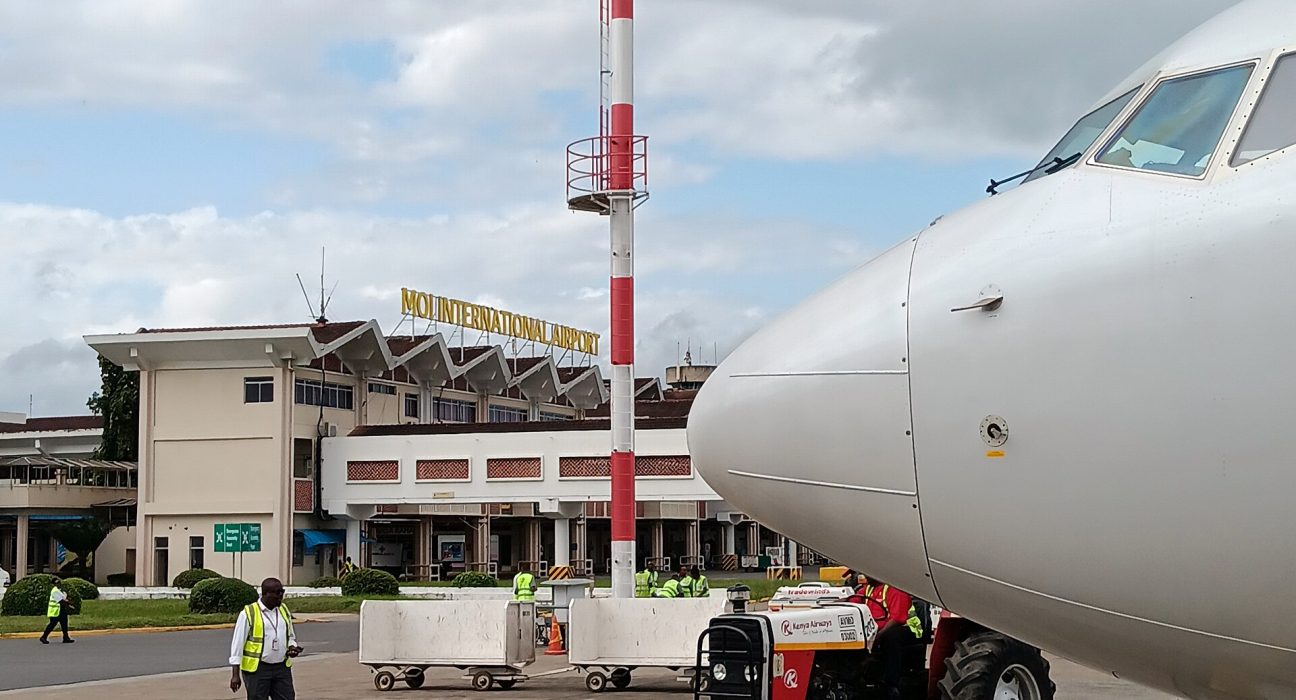
Kenya’s Cabinet has approved about $350 million (roughly Sh45.2 billion) in shareholder financing for Kenya Airways, aimed at clearing urgent obligations and getting grounded aircraft back into service. The money is to be released in tranches under National Treasury oversight, with repayment over up to 10 years or conversion into equity.
Alongside the fresh cash, the Cabinet endorsed converting about Sh122 billion in existing government loans plus accrued interest into an equity-qualifying tradable instrument. That move is meant to strengthen the national carrier’s balance sheet and make it easier to raise capital later, subject to shareholder and regulatory approvals.
The package is one of the largest state-backed airline interventions in recent years and comes as KQ continues to rebuild its fleet and route network after years of restructuring.
What the money is for
Treasury officials have framed the financing as working capital for maintenance and operational recovery, not a blank cheque. Priority uses include aircraft maintenance programmes, returning idle jets to the schedule, and settling critical supplier and lessor obligations that have constrained capacity.
Disbursement in phases gives the government leverage to track milestones. If the carrier meets those conditions, later tranches can follow; if not, the state can pause further releases. That structure mirrors earlier turnaround support, when cash was tied to governance and cost-control targets.
For travellers and cargo clients watching seat supply on regional routes, more serviceable aircraft matter more than the headline dollar figure. Extra lift on trunk routes into East and West Africa would ease pressure on fares and freight rates that spiked when capacity was tight.
Debt-to-equity and the balance sheet
Converting the Sh122 billion government loan stock into a tradable equity-style instrument cleans up a large liability that has weighed on KQ’s books. A thinner debt load improves leverage ratios and can unlock conversations with private investors, lessors and development financiers who prefer cleaner capital structures.
The instrument still needs shareholder and regulatory green lights. Minority shareholders will want clarity on dilution, voting rights and whether the conversion ranks alongside ordinary equity. Regulators will look at disclosure, valuation and whether the deal fits capital-markets rules for listed companies.
Investors comparing airline equities with safer cash options such as money market funds will watch how the recapitalisation changes earnings power once more aircraft are flying.
What comes next
Implementation hinges on board and shareholder approvals, then the paperwork to issue the new instrument and draw the first tranche. Management will also need to show that maintenance slots, spare parts and crew availability can absorb the returning fleet without fresh bottlenecks.
Success would mean a leaner balance sheet, more aircraft in revenue service, and a clearer path to private capital. Failure to meet tranche conditions would leave KQ short of cash again and keep the government on the hook as majority shareholder.
Either way, the Cabinet decision puts the carrier’s turnaround back at the centre of Kenya’s corporate agenda for the rest of 2026.
Sources: X news summaries, Business Daily reports on Cabinet approvals. Last updated October 2026.