


Get breaking business news on WhatsApp
Consolidated cargo exclusions are now official: the Kenya Revenue Authority has named 11 types of goods that small importers can no longer clear through the KSh2 million consolidated cargo framework, and capped 19 more. In a public notice dated 5 November 2026, KRA told cargo clearance stakeholders that the listed items are excluded from consolidated clearance for consignments under the KSh2 million framework and must follow the applicable customs clearance requirements.
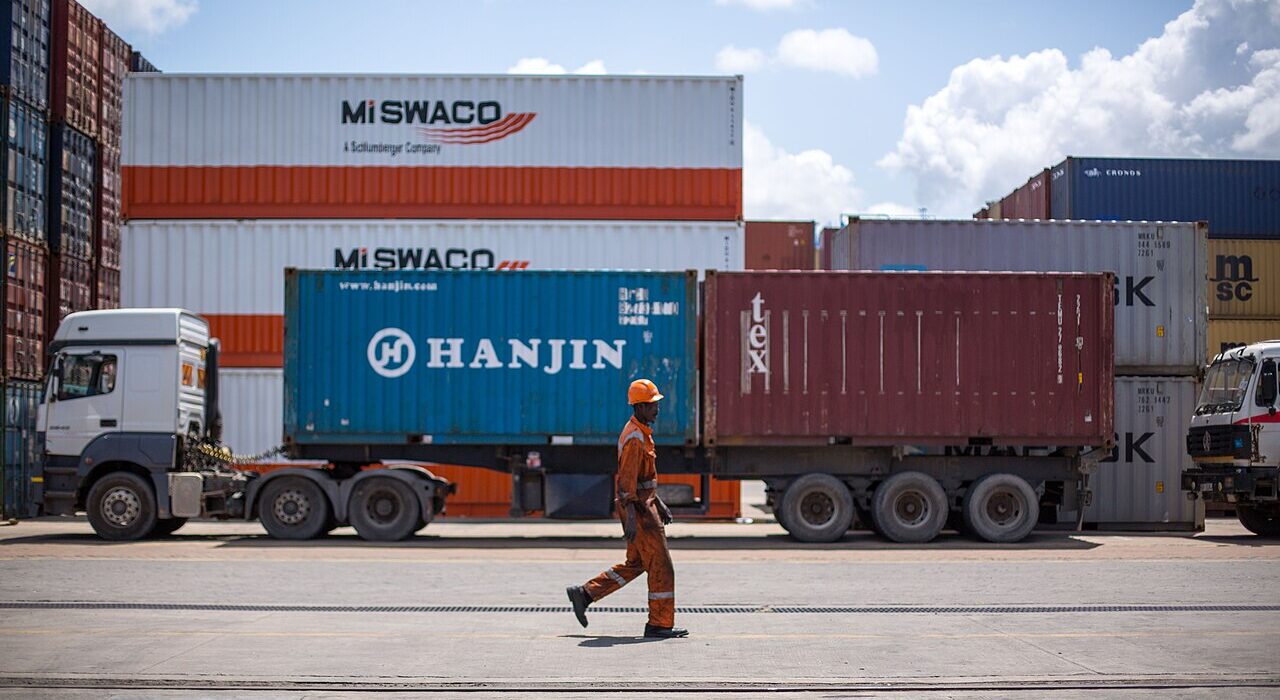
The KSh2 million consolidated cargo exclusions matter most to traders who pool goods from China and elsewhere in shared containers to cut freight costs. The list does not ban the goods. It removes them from this simplified clearance route.
On this page
The 11 goods that cannot use the framework
KRA’s notice lists these items, numbered 1 to 11, as excluded:
- assorted foodstuff;
- complete kitchens;
- designer brands for finished manufactured products;
- plant and machinery, except small machinery such as handheld tractors and similar small-scale equipment for farming and small industry;
- smartphones and watches;
- used clothes and shoes;
- wooden, steel and aluminium doors;
- televisions;
- car accessories: car audio systems and speakers, dash cameras, reversing cameras and parking sensors, and GPS navigation devices;
- musical instruments, public address systems, entertainment equipment and related accessories;
- sanitary ware.
The 19 goods allowed with a 5% cap
Items 12 to 30 may still travel as consolidated cargo, but only under three conditions set in the notice:
- Volume cap: together they must not exceed 5% of the total cargo volume, measured in cubic metres (CBM).
- Full declaration: each one must appear on the invoice, the customs entry and the list of importers, with its description and quantity.
- Unit values: KRA will apply the relevant unit values under the applicable customs valuation method.
The capped list is cables; ready-made garments; fabrics; interlining material; bedding and household linen; carpets; cosmetics, toiletries and beauty products; new motorcycle spare parts and accessories; new shoes; terry towels; auto paints, epoxy and related products; padlocks; curtain accessories; door locks and handles; hardware such as machetes, meters and valves; bathroom accessories such as towel holders, towel bars and shower heads; cosmetic and haircare products and henna; computer accessories; and mobile phone accessories.
Why KRA published the list now
The list follows an agreement announced by State House on 2 September 2026 after talks between President William Ruto, traders and consolidated cargo stakeholders. Under that deal the benchmark for general consolidated cargo fell from KSh2.5 million to KSh2 million, and KRA was to publish the goods that would not qualify, FICA News reported. The 5 November notice delivers that list.
What the consolidated cargo exclusions mean for small importers
A shared container that carries an excluded item, or capped items above 5% of its volume, may need a different clearance route, which can change cost and timing. Before you pay a consolidator:
- check your goods against both parts of the list;
- ask the consolidator how they will declare capped items and how much of the container’s CBM they take;
- make sure your name, item description and quantity match on the invoice and the importer list;
- confirm the clearance procedure with KRA or a licensed customs agent if your goods are on either list.
For the declaration rules that already apply to shared containers, see our guide to the KRA consolidated cargo rule.
Frequently asked questions
Are smartphones banned from import into Kenya?
No. Smartphones and watches are excluded only from the KSh2 million consolidated cargo framework. They can still be imported under the normal customs clearance procedures.
Can I still ship new shoes or phone accessories in a shared container?
Yes, if all capped items in the container together stay within 5% of its total volume in CBM and each is fully declared with its description and quantity.
When did the KSh2 million consolidated cargo exclusions take effect?
KRA published the notice on 5 November 2026. It does not state a separate start date, so check with your clearing agent before your next shipment.
Prefer WhatsApp? Follow Business Radar on WhatsApp
Weekly, free. We only use your email for this newsletter and you can unsubscribe in one click. Privacy policy.

