Kenya’s entertainment and media industry is projected to grow from $4.7 billion in 2025 to $6 billion by 2030, while internet advertising nearly doubles to $603 million — the world’s fastest growth rate in that segment — according to PwC’s Africa Entertainment and Media Outlook 2026–2030.
The report, released in Johannesburg on October 13, puts Kenya’s compound annual growth at about 5 per cent, ahead of South Africa’s 3.2 per cent and behind Nigeria’s 6.9 per cent. The Star and tech.africa both reported the Kenyan totals; The Star framed the commercial problem for creators as platform concentration that limits who captures the revenue.
Platforms control discovery and pay
“Distribution, however, remains concentrated. A relatively small number of platforms continue to shape how content is discovered, how audiences are reached, how advertising is delivered and how creators generate revenue,” PwC said in the report, according to The Star. The firm argues the next phase is ownership of intellectual property, first-party data, brands and direct customer relationships rather than reach alone.
Kenya’s internet advertising revenue is forecast to rise from $313 million in 2025 to $603 million in 2030, a 14.0 per cent CAGR that edges ahead of India as the fastest-growing market globally, tech.africa reported. Video advertising on social media and connected TVs is seen growing at 18.2 per cent a year. Connectivity is expected to account for about 75 per cent of Kenya’s entertainment and media revenue by 2030.
AI, OTT and diversification
“Kenya demonstrates the potential that emerges when strong connectivity, high digital engagement, and a mobile-first economy come together. The next stage is about converting that participation into value,” Michael Mugasa, entertainment and media partner at PwC Kenya, said. Over-the-top streaming in Kenya is projected to grow 15.9 per cent a year to about $31 million by 2030, still a thin base beside advertising.
PwC says sponsorships, memberships, subscriptions, merchandise, licensing and live events can reduce dependence on a single platform’s algorithm and ad share. AI tools for translation, subtitling and audience targeting could cut costs in a multilingual market, the outlook notes, while flagging copyright, attribution and privacy risks. For Kenyan publishers and creators, the $6 billion headline is less a windfall than a map of where the money concentrates — and who owns the customer when it arrives.
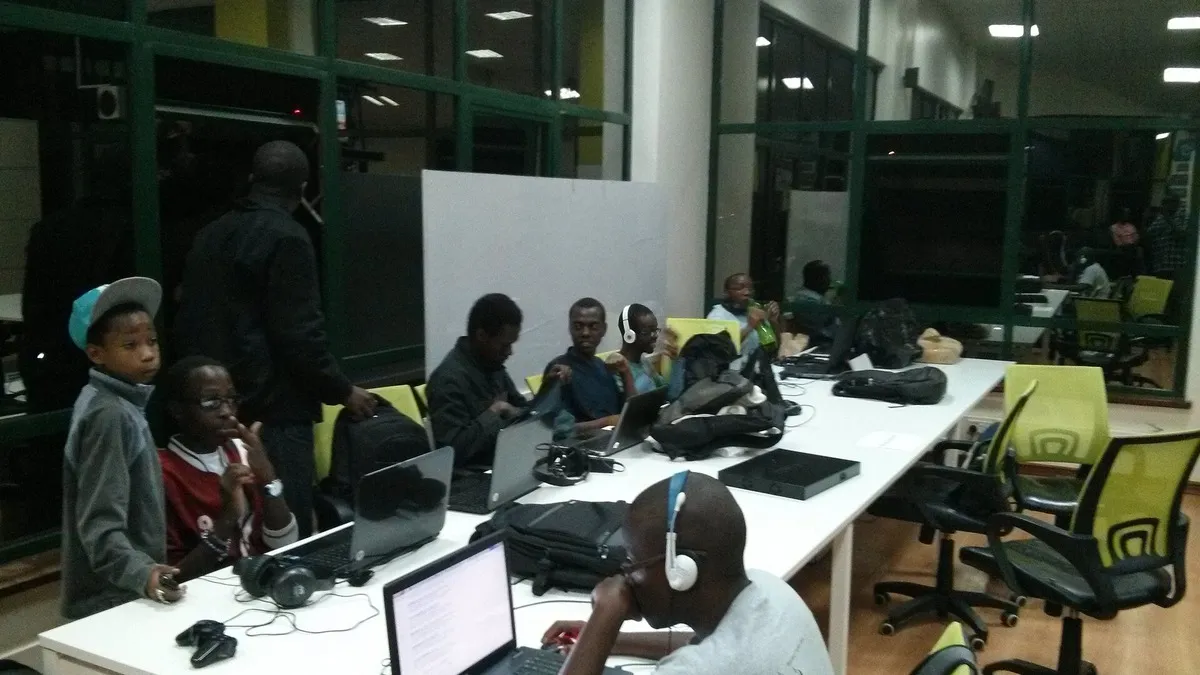
Photo: Tall Black / Wikimedia Commons (CC BY-SA 4.0)
Sources: The Star, tech.africa, Wikimedia Commons. Last updated October 2026.