


Get breaking business news on WhatsApp
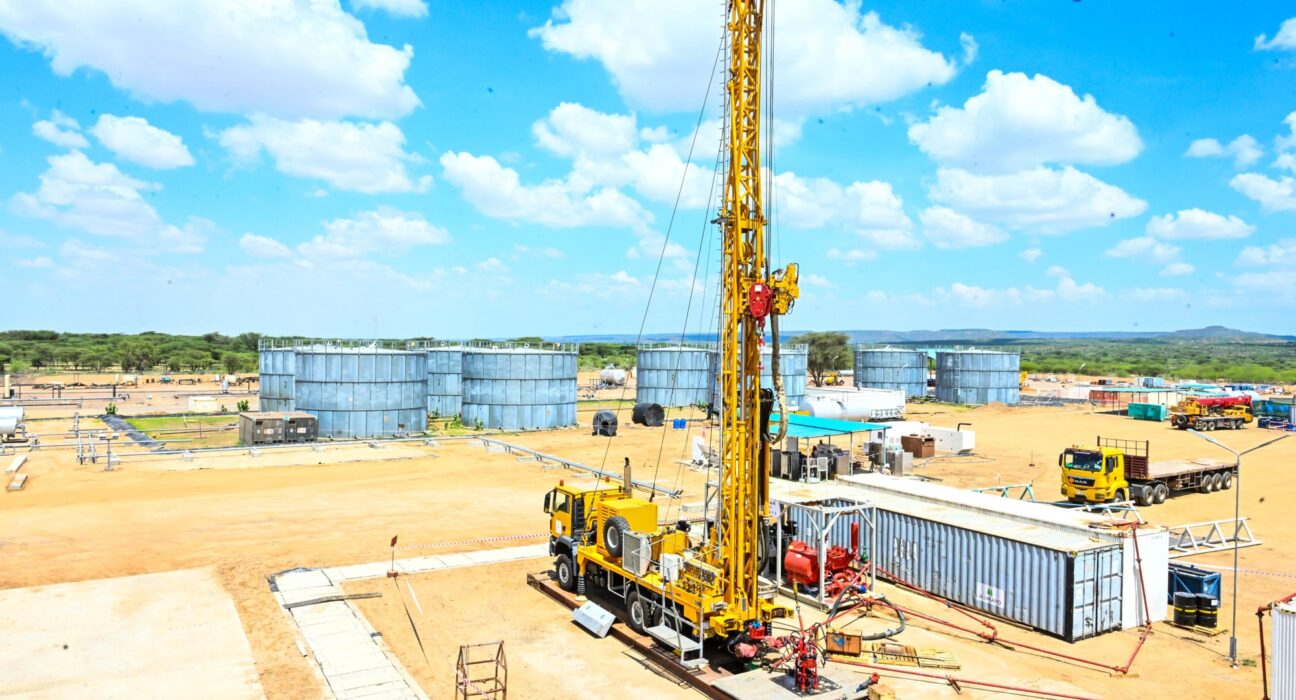
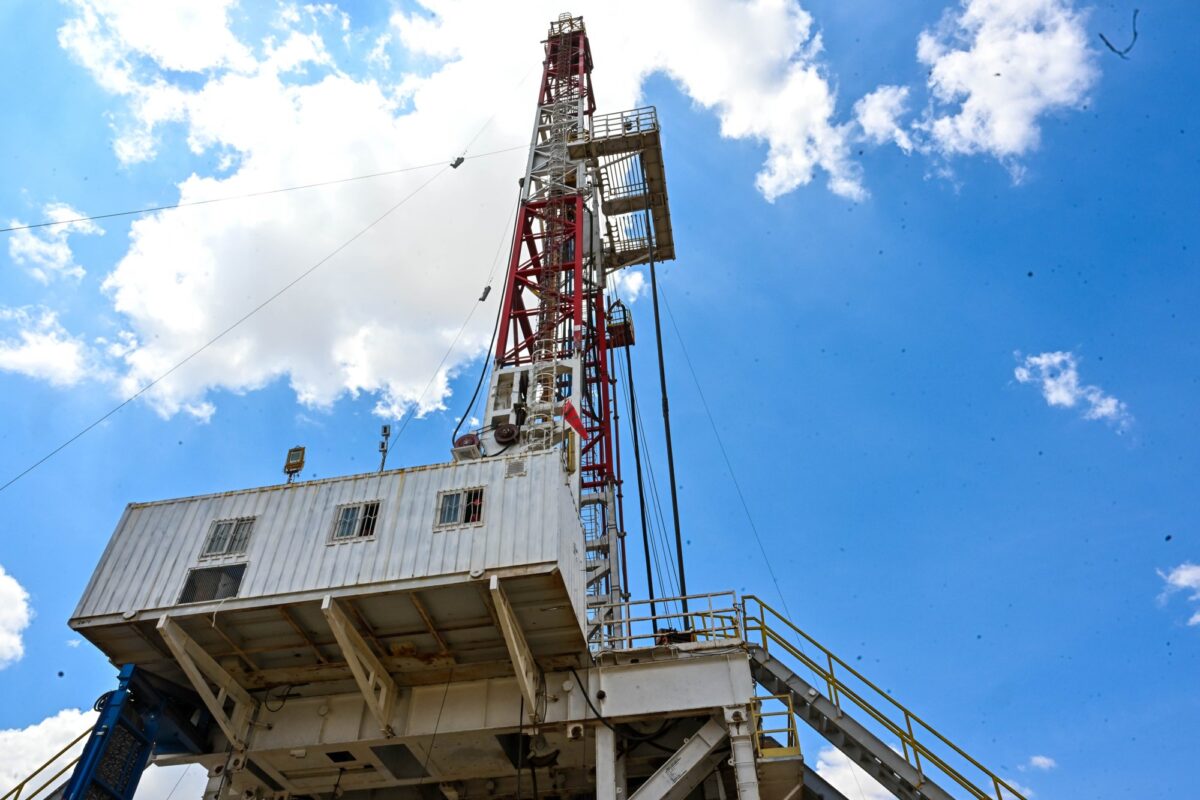
Turkana oil drilling for commercial production has started, with Gulf Energy saying it has “officially spudded the first production well at Amosing 1 in the South Lokichar Basin”. The ceremony on Friday, 20 November, at Kochodin in Turkana East was led by Energy and Petroleum Cabinet Secretary Opiyo Wandayi. It comes 11 days before 1 December, the date the government set for Kenya to move into full commercial crude production.
Spudding is the start of drilling on a new well. In a statement on its official X account on 21 November, Gulf Energy E&P said the milestone “reflects years of preparation and collaboration, bringing Kenya closer to its first commercial crude oil. The journey begins.”
On this page
Who was at the Turkana oil drilling launch
Roads and Transport Cabinet Secretary Davis Chirchir and East African Community, ASALs and Regional Development Cabinet Secretary Beatrice Askul Moe joined Mr Wandayi at the Amosing field, both ministers said in statements on 20 November.
Ms Moe listed Deputy Chief of Staff Josphat Nanok, Petroleum Principal Secretary Kello Harsama, Council of Economic Advisors chairman David Ndii, Augustine Cheruiyot of the President’s Economic Transformation Secretariat, Turkana Senator James Lomenen and several Turkana MPs among the guests.
“The switching on of the drilling rigs sets in pace Kenya’s oil production, ahead of flagging off of the first crude oil consignment by H.E President William Samoei Ruto,” she said. No date for that flag-off has been announced, and Gulf Energy has not said how many wells the Turkana oil drilling programme will cover before then.
The 1 December first oil date
The State Department for Petroleum set 1 December 2026 as the day Kenya moves “from exploration and pilot production into full commercial production”, in a public notice issued in October. After that date, the crude will be offered to international refiners and traders.
The same notice asked the public to suggest a commercial name for Kenyan crude, the way Brent, Murban and Bonny Light are known on trading screens. Submissions closed on 29 October, and the department has not yet announced the chosen name. Our earlier report covers the call to name Kenya’s crude.
Commercially viable oil was first found in the South Lokichar Basin in 2012. Parliament approved the field development plan for Blocks T6 and T7 in February 2026, and Gulf Energy now leads the project after buying the assets of the previous developer.
Roads for the oil fields
Mr Chirchir said his ministry is “advancing critical road infrastructure to support these investments, including the Lokichar–Amosing–Lokori corridor and other strategic roads connecting the region.”
“These infrastructure investments will strengthen connectivity, facilitate oil exploration and production, attract further investment, create jobs and stimulate economic activity,” he said. He did not give a cost or completion date for the corridor in his statement. Better roads matter for Turkana oil drilling because rigs, pipes and crude trucks all move by road.
Power supply in the area is also changing. Kenya Power is building a line from Lokichar to Lodwar to replace diesel generators, as we reported in our story on the Lodwar grid connection.
What Turkana oil drilling means for Kenya's fuel bill
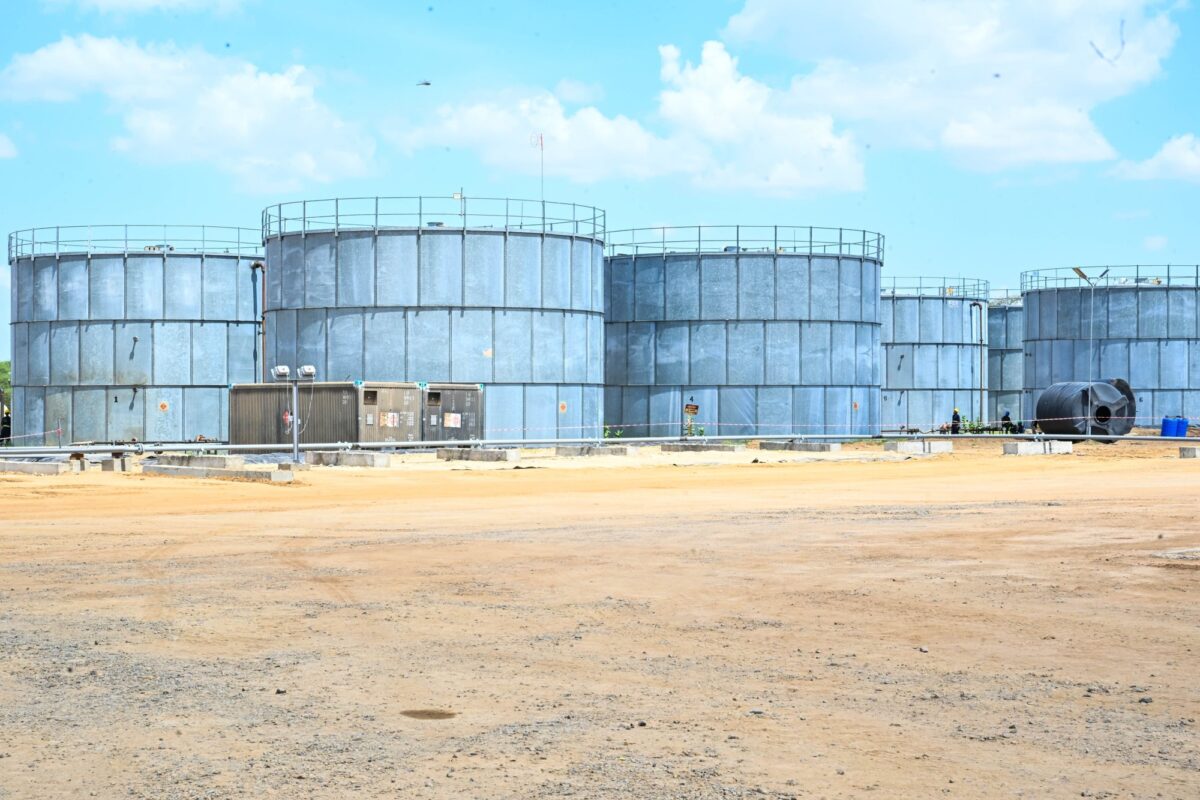
Kenya does not refine crude, so Turkana oil drilling and local output will not by itself lower pump prices. The country imports all its refined fuel. According to the Energy and Petroleum Regulatory Authority (EPRA), refined products received at Mombasa for Kenya and transit markets rose 11.52% to 10.88 million cubic metres in the year to June 2026, while domestic demand grew 8.41% to 6.33 million cubic metres. Our guide to Kenya petroleum imports has the full breakdown.
Crude exports would instead bring in foreign exchange and government revenue under the production sharing contracts. Pump prices stay set by EPRA’s monthly review: in Nairobi, Super Petrol costs KSh226.96 a litre until 14 December, unchanged in the November EPRA fuel prices.
Frequently asked questions
Where is the Turkana oil drilling taking place?
At the Amosing 1 well pad in the South Lokichar Basin, Turkana County. The spudding ceremony was held at Kochodin in Turkana East on 20 November 2026.
Who is drilling for oil in Turkana?
Gulf Energy E&P is the operator. It said it spudded the first production well at Amosing 1, after taking over the project from the previous developer.
When will Kenya start commercial oil production?
The State Department for Petroleum has set 1 December 2026 as the date for full commercial production, after which the crude will be offered to international buyers.
Will Turkana oil lower fuel prices in Kenya?
Not directly. Kenya has no working refinery and imports all its petrol and diesel. Pump prices are set monthly by EPRA based on the landed cost of imports.
Prefer WhatsApp? Follow Business Radar on WhatsApp
We will email you a weekly money and business brief. We store your email (and your name, if you give one) for that purpose, under the Kenya Data Protection Act, 2019. You can unsubscribe at any time. Privacy policy.

