


Get breaking business news on WhatsApp
Every employer in Kenya will have to provide a clean, private lactation space and reasonable breaks for breastfeeding mothers after President William Ruto signed the Breastfeeding Mothers Bill, 2024 into law. The Breastfeeding Mothers Act also requires owners, lessees or tenants of buildings open to the public with room for at least 50 people to install baby-changing facilities.
The assent was announced by the government’s Kenya News Agency on 27 November. The Bill, National Assembly Bill No. 8 of 2024, was sponsored by Nominated MP Sabina Chege, published on 16 February 2024 and passed with amendments on 14 October 2026.
On this page
What the Breastfeeding Mothers Act requires of employers
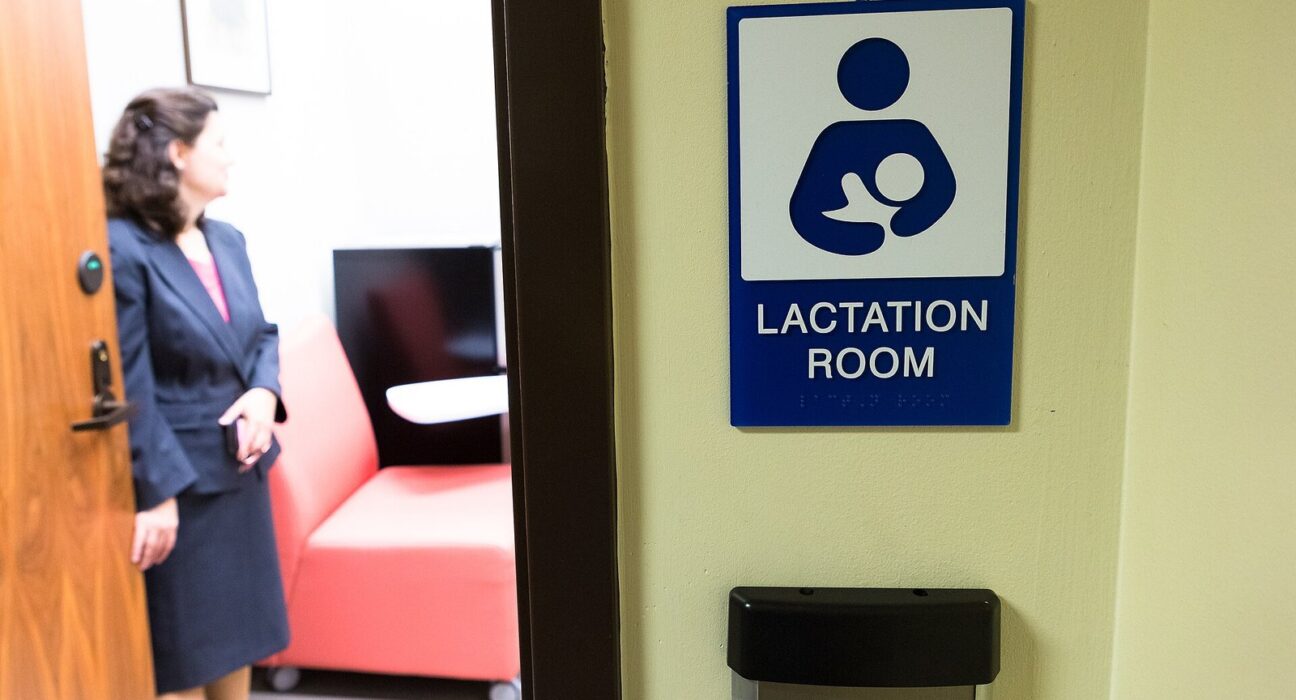
Under the Breastfeeding Mothers Act, the lactation space must be private, clean and not a toilet, with a lockable door, a wash basin, a refrigerator, an electrical outlet, adequate lighting, a chair, a table and storage space. It is meant for mothers to breastfeed or express and store breast milk at work.
- Breaks: the Breastfeeding Mothers Act says employers must give reasonable break time to breastfeed or express milk. The Cabinet Secretary for labour will set the length of the breaks in regulations.
- Flexible work: mothers can apply for flexible arrangements, which the National Assembly says include changes to working hours, assignments and work locations.
- Discrimination: the law bans discrimination on grounds of pregnancy, childbirth, breastfeeding or any other maternity-related condition.
The duties sit alongside existing leave rules, covered in our guide to leave rights under the Employment Act and our maternity leave calculator.
Buildings for 50 or more people need baby-changing areas
Beyond offices and factories, the Breastfeeding Mothers Act reaches shopping malls, hotels, office blocks and other public and private buildings accessible to the public with an occupancy capacity of at least 50. Their owners, lessees or tenants must provide baby-changing facilities.
That means landlords and tenants of such premises will need to plan space and fittings. Firms setting up new premises can see our guide to hiring your first employee for other employer duties.
Why Parliament passed the law
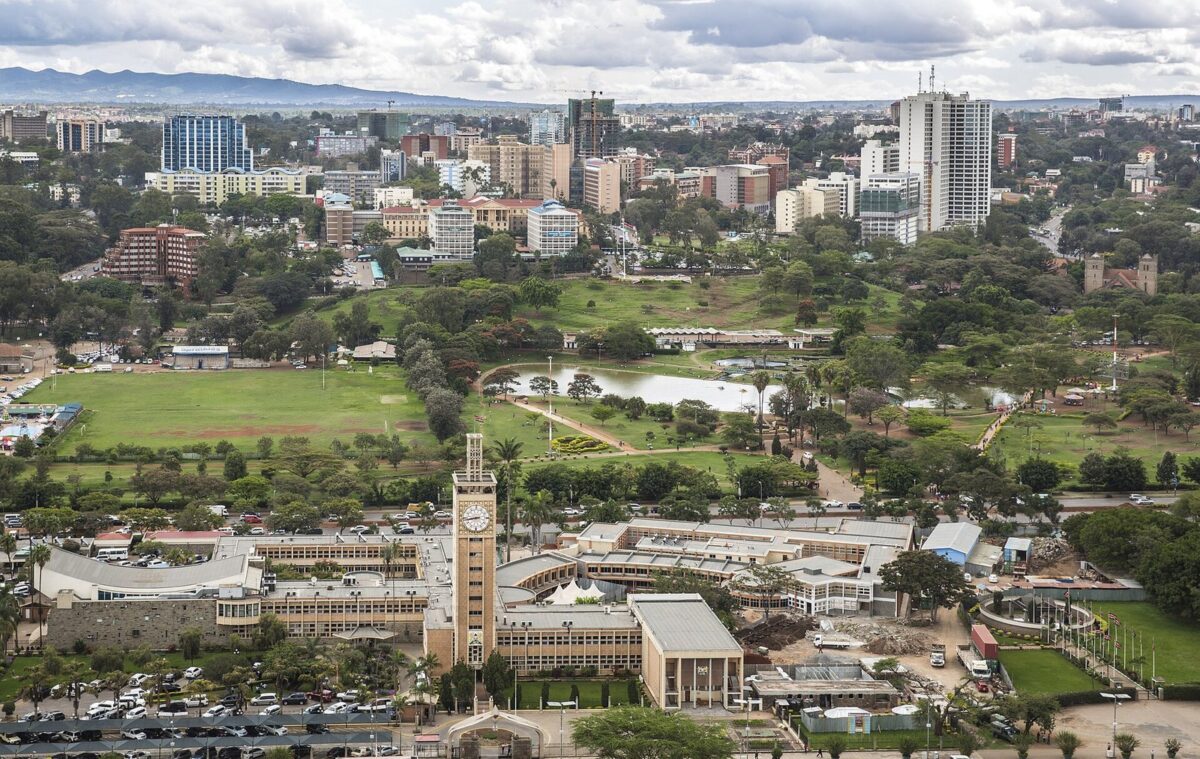
When the House passed the Bill, the National Assembly said the measures “seek to address challenges that force some women to interrupt breastfeeding or leave employment because of inadequate workplace support”.
The Departmental Committee on Social Protection recommended approval with amendments after consulting employers, breastfeeding advocates and government officials. The Cabinet Secretary for labour is expected to lead public awareness on mothers’ rights and employers’ obligations.
Other laws signed at the same time
The President also assented to the East African Development Bank (Amendment) Bill, which requires National Assembly approval before public money is committed to the regional lender, and the Public Service Superannuation Scheme (Amendment) Bill. Both were sponsored by Majority Leader Kimani Ichung’wah and passed on 14 October 2026, the same day as the breastfeeding law.
Frequently asked questions
What is the Breastfeeding Mothers Act?
It is a new Kenyan law, from the Breastfeeding Mothers Bill, 2024, that requires employers to provide lactation spaces and breaks for breastfeeding mothers and bans maternity-related discrimination.
What must a workplace lactation room have?
It must be private, clean and not a toilet, with a lockable door, wash basin, refrigerator, electrical outlet, lighting, a chair, a table and storage space.
How long are breastfeeding breaks in Kenya?
The law requires reasonable break time. The Cabinet Secretary for labour will set the duration of the breaks through regulations.
Which buildings need baby-changing facilities?
Public and private buildings accessible to the public with an occupancy capacity of at least 50 people. The duty falls on owners, lessees or tenants.
Prefer WhatsApp? Follow Business Radar on WhatsApp
We will email you a weekly money and business brief. We store your email (and your name, if you give one) for that purpose, under the Kenya Data Protection Act, 2019. You can unsubscribe at any time. Privacy policy.

