



Get breaking business news on WhatsApp
Kenya’s official forex reserves fell to USD13.78 billion (about KSh1.79 trillion) on 26 November 2026, the fourth weekly drop in a row, according to the Central Bank of Kenya (CBK). The reserves were down USD167 million (about KSh21.7 billion) from USD13.95 billion a week earlier, and import cover slipped to 5.5 months from 5.6 months.
The CBK weekly bulletin of 27 November said the reserves “remained adequate” and still meet its statutory target of at least four months of import cover.
On this page
Forex reserves: four weeks of falls
| Week ending | Reserves (USD million) | Months of import cover |
|---|---|---|
| 29 October 2026 | 14,740 | 5.9 |
| 5 November 2026 | 14,699 | 5.9 |
| 12 November 2026 | 14,605 | 5.9 |
| 19 November 2026 | 13,949 | 5.6 |
| 26 November 2026 | 13,782 | 5.5 |
Since 29 October, the forex reserves have dropped by USD958 million, about KSh124.6 billion at the CBK rate of KSh130.06. The biggest fall came in the week to 19 November, covered in our report on Kenya forex reserves dropping USD656 million. An earlier reading is in our story on forex reserves at USD14.6bn.
Shilling holds near KSh130
The Kenya shilling stayed stable, trading at KSh130.06 to the US dollar on 26 November against KSh129.99 on 19 November. It strengthened against the pound, to KSh169.88 from KSh171.12, and the euro, to KSh142.36 from KSh142.66.
The money market stayed liquid. Commercial banks held excess reserves of KSh46.3 billion above the 3.25% cash reserve ratio, and the interbank rate, KESONIA, held at 8.75%. The value traded between banks rose to an average of KSh13.1 billion a day from KSh7.1 billion.
Treasury bills and the NSE
The Treasury bill auction of 26 November drew bids of KSh48.04 billion against KSh28.0 billion on offer, a 171.6% performance. The 91-day rate rose slightly to 8.747% from 8.742%, while the 182-day rate eased to 8.819% and the 364-day rate to 8.986%. Our Treasury bill rates page tracks the trend.
At the Nairobi Securities Exchange, the NASI fell 2.37%, the NSE 20 1.83% and the NSE 25 2.71% during the week. Yields on Kenya’s Eurobonds rose by 24.85 basis points on average, as tracked in our Kenya Eurobond yields coverage.
What the forex reserves fall means
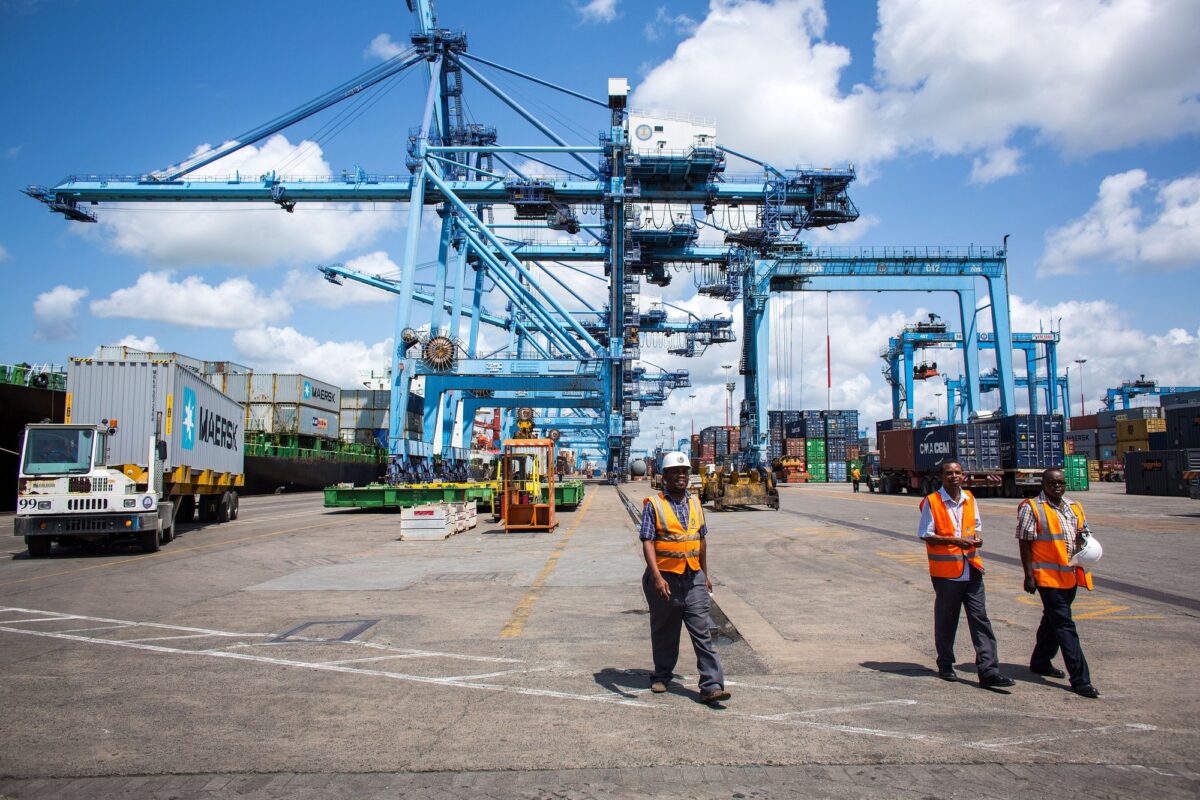
Forex reserves are the foreign currency CBK holds to cover imports and external payments and to support the shilling. At 5.5 months, cover is still above the four-month statutory floor, even after falling from 5.9 months at the end of October.
Oil prices eased slightly in the week, with Murban crude falling to USD88.44 a barrel from USD89.61, the bulletin said. Gold rose to USD3,566.14 an ounce.
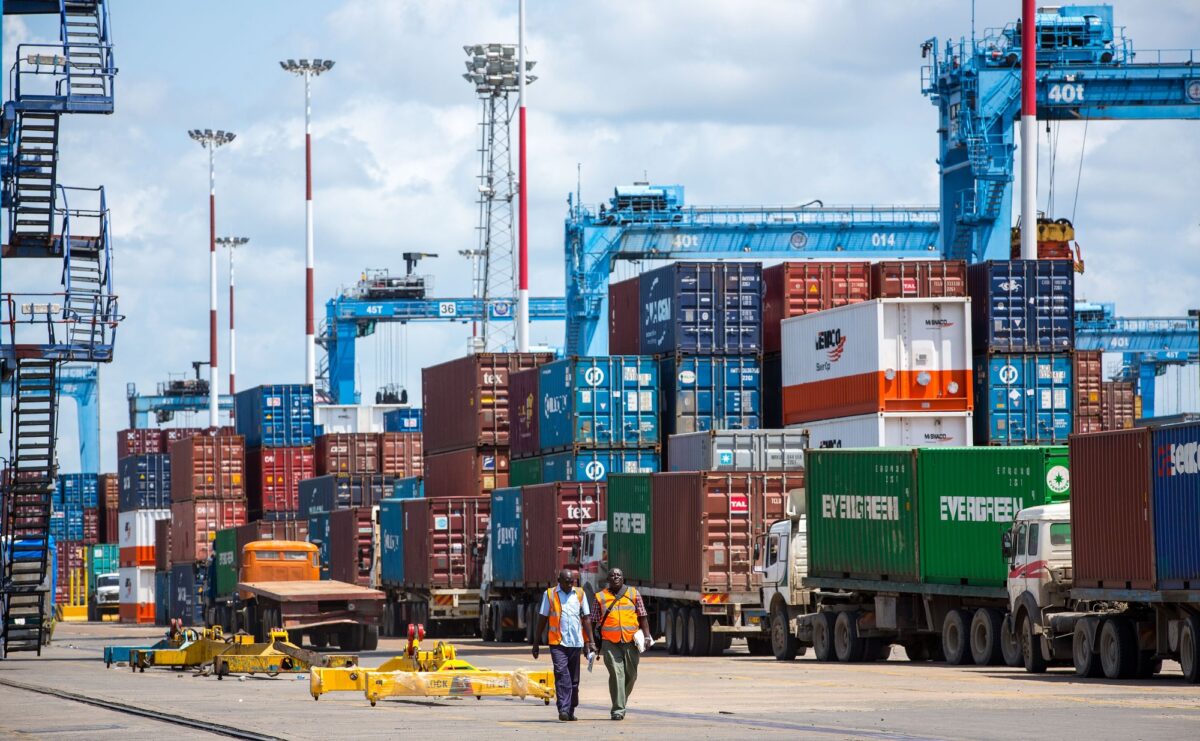
CBK publishes the forex reserves figure each week in its bulletin.
Frequently asked questions
How much are Kenya’s forex reserves?
USD13.78 billion as of 26 November 2026, equal to 5.5 months of import cover, according to the CBK weekly bulletin of 27 November.
Why do forex reserves matter?
They are the foreign currency CBK holds to cover imports and external payments and to support the shilling. Import cover shows how many months of imports the reserves could pay for.
What is the minimum level of reserves?
CBK has a statutory requirement to try to keep reserves of at least four months of import cover.
What is the shilling exchange rate now?
The shilling traded at KSh130.06 to the US dollar on 26 November 2026, compared with KSh129.99 a week earlier.
Prefer WhatsApp? Follow Business Radar on WhatsApp
We will email you a weekly money and business brief. We store your email (and your name, if you give one) for that purpose, under the Kenya Data Protection Act, 2019. You can unsubscribe at any time. Privacy policy.

