


Get breaking business news on WhatsApp
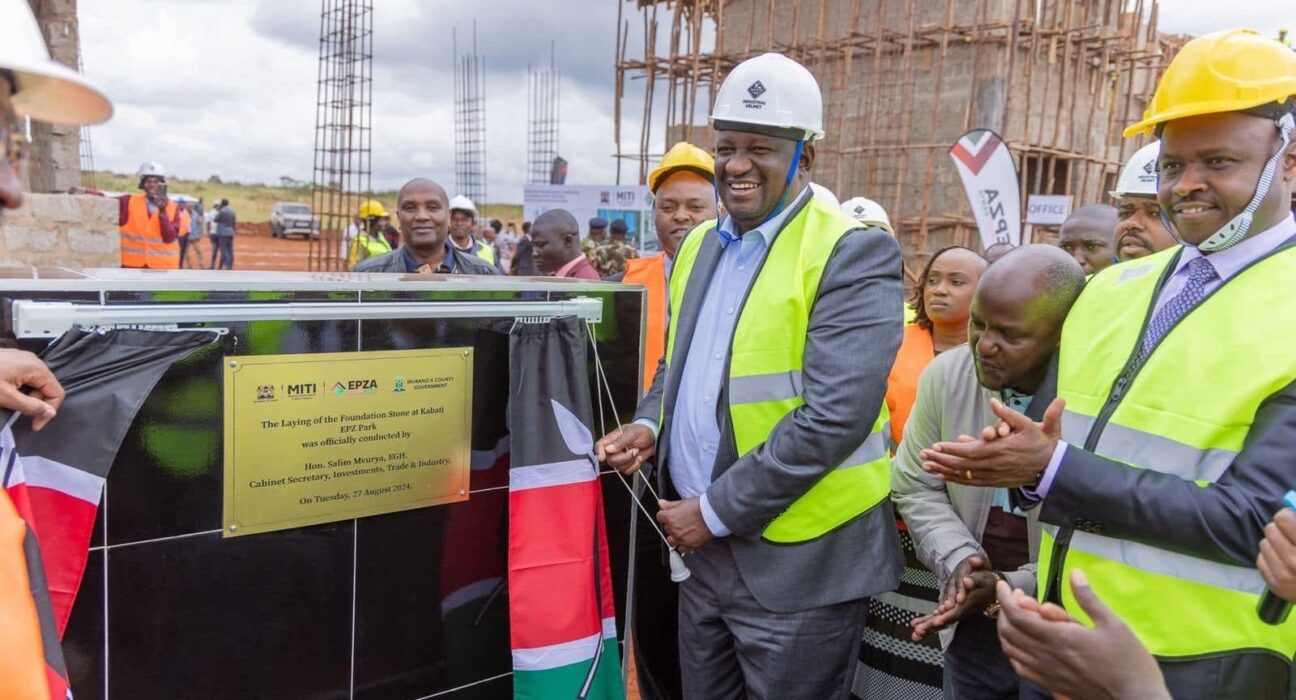
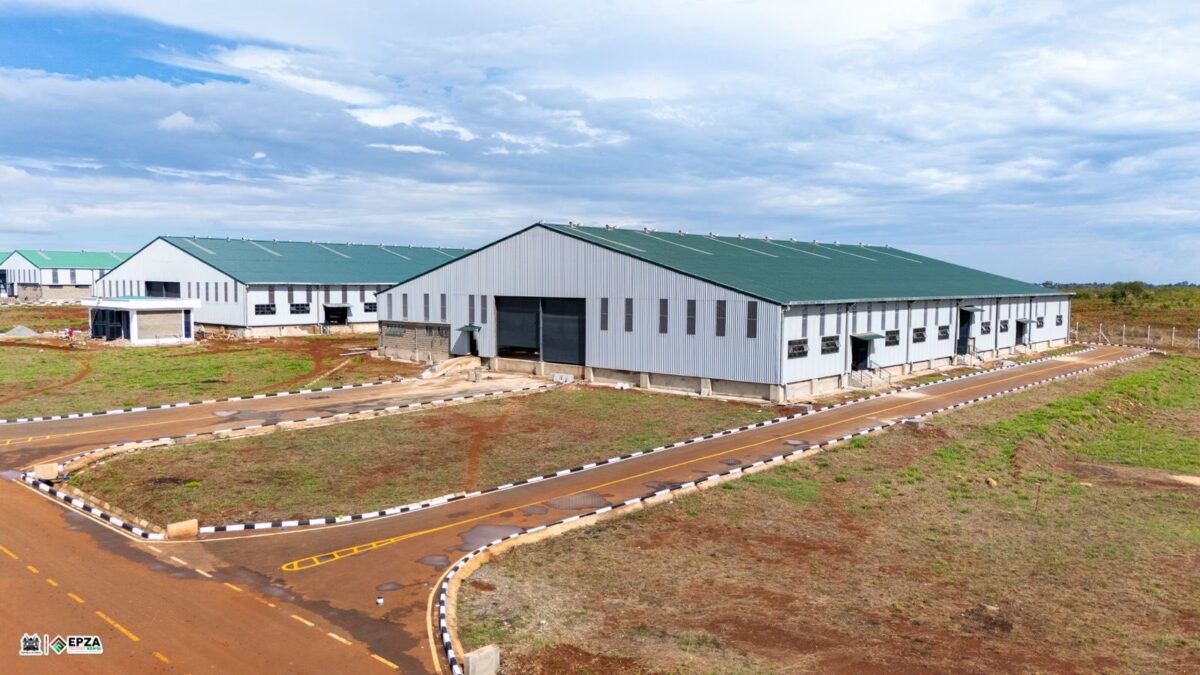
Kabati EPZ in Murang’a County has four industrial warehouses ready for tenants, and five investors have expressed interest in setting up export manufacturing there, the Export Processing Zones Authority (EPZA) said on 21 November. The zone at Mitubiri is a national government flagship project that EPZA says is “poised to become a major manufacturing and agro-processing hub for the Central Region”.
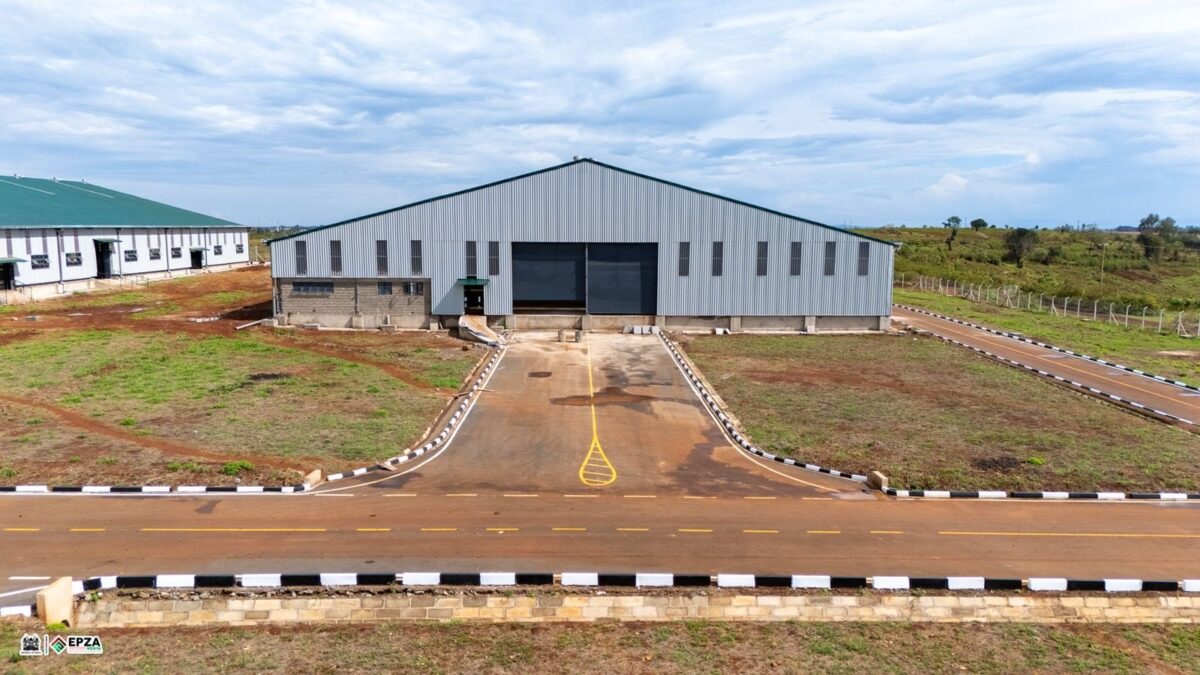
“The first phase of this project involves four modern industrial warehouses that are all ready for occupation,” the authority said, adding that investor onboarding is under way.
On this page
What is ready at Kabati EPZ
The first phase is the four warehouses. EPZA did not name the five interested investors or say when the first will start production. Once operational, it says the zone “is expected to create over 20,000 direct jobs, positioning Murang’a as a key industrial and export gateway”.
The zone sits two kilometres off the Nairobi–Nyeri–Nanyuki highway, which EPZA says gives it access to Jomo Kenyatta International Airport and other transport links.
Which businesses can set up in Kabati EPZ
EPZA lists the export-oriented investments it wants at the Murang’a zone as:
- solar panel assembly
- apparel manufacturing
- tea and coffee processing
- macadamia and avocado processing
- fruit and vegetable processing
EPZA says the EPZ programme exists to shift exports away from raw farm produce so that the value from processing stays in Kenya.
Apparel exporters selling to the US can use duty-free access under AGOA. Our AGOA export guide sets out the steps for exporters.
How investors get space in an EPZ
In public zones such as Kabati, EPZA says an investor can either lease land and put up their own building or lease industrial buildings that EPZA has built. The authority issues three main licences: a developer operator licence, an enterprise manufacturing licence and a business service permit.
To apply, an investor presents a business plan, fills in the EPZ application form and pays the application fee. After EPZA approves the project, the investor registers the EPZ company, gets a NEMA environmental impact assessment certificate and then a one-year EPZ licence. EPZA also offers purpose-built warehouses and reduced rent to small enterprises that meet its SME definition.
Kabati EPZ and the flagship zones
The Murang’a zone is one of four EPZA flagship projects listed on the authority’s website, alongside Eldoret, Sagana and Nasewa. EPZA says the government, through the Ministry of Investments, Trade and Industry, has identified manufacturing as a key driver of economic transformation, and that the Bottom-Up Economic Transformation Agenda (BETA) 2022–2027 names manufacturing as a priority.
EPZs can be public or private zones. Public zones are developed by EPZA itself, while private zones are run by licensed developers. The authority’s directory lists dozens of private zones, many of them in Mombasa, Kilifi and Machakos counties.
EPZA has not said when the first tenant will start production or which of the five investors will sign first.
Frequently asked questions
Where is Kabati EPZ?
Kabati EPZ is at Mitubiri in Murang’a County, about two kilometres off the Nairobi–Nyeri–Nanyuki highway, according to the Export Processing Zones Authority.
How many jobs will Kabati EPZ create?
EPZA says the zone is expected to create over 20,000 direct jobs once it is operational.
What industries can invest in Kabati EPZ?
EPZA lists solar panel assembly, apparel manufacturing and the processing of tea, coffee, macadamia, avocados, fruit and vegetables.
Is Kabati EPZ open to investors now?
Yes. EPZA says the four first-phase warehouses are ready for occupation and that onboarding is under way, with five investors having expressed interest.
Prefer WhatsApp? Follow Business Radar on WhatsApp
We will email you a weekly money and business brief. We store your email (and your name, if you give one) for that purpose, under the Kenya Data Protection Act, 2019. You can unsubscribe at any time. Privacy policy.

