

Quick answer
GlaxoSmithKline Limited in Kenya changed its legal name to Haleon Kenya Limited effective 14 March 2025, following the 2022 split of GSK consumer health into Haleon. Products such as Sensodyne and Panadol are unchanged, but packs will move from the GSK logo to no logo and then to the Haleon logo.
Get breaking business news on WhatsApp
GlaxoSmithKline Limited, the Kenyan company long known to shoppers as GSK, has changed its legal name to Haleon Kenya Limited. The change took effect on 14 March 2025 and was announced by the company on 17 March, completing the move of the Nairobi business into Haleon, the consumer health group that was split from GSK in 2022.
Haleon Kenya makes and sells everyday health brands such as Sensodyne, Panadol, Eno, Aquafresh and Scott’s Emulsion. The company said the name change will not affect daily operations, manufacturing or staff.
What the company said
“This transition is more than a name change; it’s a reaffirmation of our commitment to delivering high-quality, science-led health solutions tailored for Kenyan consumers,” Mark Pfister, Haleon’s general manager for Sub-Saharan Africa, said in a statement carried by The Star and Business Quest.
“We are also expanding our local manufacturing capabilities, ensuring greater accessibility to essential health products while maintaining the highest quality standards for the betterment of Kenya,” he added.
Pfister also stressed continuity for workers and partners. “Importantly, this legal name change will not have any impact on daily operations, product manufacturing, or staffing. Haleon remains fully committed to its employees and ensuring smooth business continuity,” he said, as quoted by African Pharmaceutical Review.
Why GSK in Kenya became Haleon
The rename is the local end point of a global split. In July 2022, GSK separated its consumer healthcare business into Haleon plc, an independent company listed in London, so that GSK could focus on prescription medicines and vaccines. GSK described the demerger at the time as its most significant corporate change in two decades.
GSK at first kept a stake in Haleon but sold it down in stages. In May 2024 it sold its last 385,320,110 Haleon shares at 324 pence each, according to its stock exchange announcement, raising about 1.25 billion pounds and leaving it with no shareholding in Haleon. Reuters reported the final sale on 17 May 2024.
In Kenya, GSK’s pharmaceutical side also changed shape. The Star reported that GSK said in 2023 it would stop marketing medicines directly to health workers in 29 sub-Saharan African markets, including Kenya, and would supply its medicines and vaccines through a third-party distributor instead. That left the consumer health business, and the factory, as the main GSK-branded operation in the country, and it is that business that now carries the Haleon name.
The Likoni Road factory stays at the centre
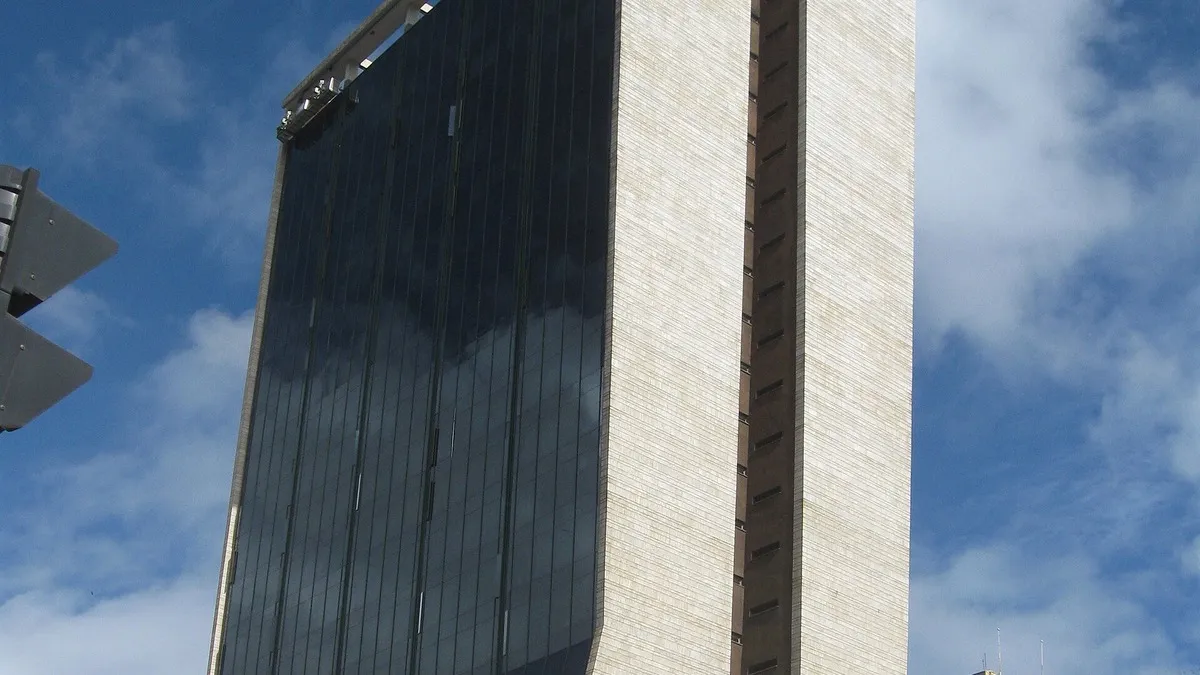
Haleon Kenya operates the former GSK manufacturing plant on Likoni Road in Nairobi’s Industrial Area. The company said the site produces millions of units of Sensodyne, Aquafresh and Panadol every year for the Kenyan market.
The plant also works as a regional hub. According to the company, it exports to seven East African markets and to South Africa, which makes it one of the more significant consumer health manufacturing sites in the region. The Star reported that Haleon has expanded operations at the facility since taking it over.
What shoppers will notice on the shelves
The most visible change for consumers will be on packaging. Haleon said the artwork on its products will move in three steps: from packs carrying the GSK logo, to packs with no company logo, and finally to packs with the Haleon logo.
“Consumers may notice branding differences across various assets or even among different packages of the same product on shelves,” Pfister said. During the changeover, it is normal to find two versions of the same toothpaste or painkiller side by side, one with the old GSK mark and one without it.
The company said the quality of the products does not change with the branding. Shoppers who want to be sure they are buying genuine products should keep buying from licensed pharmacies and established supermarkets, and check that packs are sealed, within their expiry date and printed clearly. If you need a pharmacy near you, our list of Dovey Pharmacy branches is one place to start.
What the change means for suppliers and distributors
For businesses that deal with the company, the change is mainly administrative. Contracts, invoices and payment details will now refer to Haleon Kenya Limited rather than GlaxoSmithKline Limited. Suppliers and distributors should update their records so that purchase orders and payments match the new legal name. Business owners who are planning their own name change or registration can read our guide on how to check and reserve a business name on eCitizen.
A familiar name leaves Kenya’s shelves
For many Kenyan households, the GSK logo was a familiar sight on toothpaste and painkiller packs. With the legal change, that logo will disappear from consumer health packs over time, while GSK itself continues to supply prescription medicines and vaccines through its distributor arrangement.
For Haleon, the move ties its Kenyan business to the same identity it uses in other markets and brings the Likoni Road plant fully under the Haleon brand as the company pursues the local manufacturing expansion Pfister described.
Frequently asked questions
Is GSK Kenya now Haleon?
Yes. GlaxoSmithKline Limited in Kenya changed its legal name to Haleon Kenya Limited with effect from 14 March 2025.
Which brands does Haleon Kenya make?
Haleon’s brands include Sensodyne, Panadol, Eno, Aquafresh and Scott’s Emulsion. The Nairobi factory makes Sensodyne, Aquafresh and Panadol, among others.
Are products without the GSK logo genuine?
Haleon said packs will change from the GSK logo to no logo and then to the Haleon logo, so packs with no company logo are part of the transition. Buy from licensed outlets and check seals and expiry dates.
Does GSK still sell medicines in Kenya?
Yes. GSK said in 2023 it would supply its medicines and vaccines in Kenya through a third-party distributor rather than marketing them directly.
Prefer WhatsApp? Follow Business Radar on WhatsApp
Weekly, free. We only use your email for this newsletter and you can unsubscribe in one click. Privacy policy.