


Updated 27 November 2026
Carbon offsetting for Kenyan companies allows businesses to compensate for their greenhouse gas emissions by investing in verified projects that reduce or remove carbon dioxide from the atmosphere. Organisations operating in Kenya can access local projects ranging from forestry restoration to clean energy initiatives to meet their net-zero and climate goals. According to CO2.ke as of November 2026, Kenya ranks number three in Africa for registered carbon projects and was among the first nations to establish a national carbon market framework and a regulated exchange through the Kenya Carbon Markets Authority under the Climate Change (Amendment) Act 2023.
Understanding carbon offsetting in Kenya
Carbon offsetting involves purchasing credits that certify that one metric tonne of CO₂ has been removed from or prevented from entering the atmosphere. Corporations seeking to address shareholder demands or meet mandatory climate disclosures such as TCFD, CSRD, and Science-Based Targets can purchase high-integrity nature-based credits. For more background on sustainable business practices, read our guide on the rent vs buy calculator Kenya 2026.
As noted by the Green Resources Initiative in November 2026, local projects are designed to meet international standards while delivering measurable social co-benefits to local communities. Kenya’s Paris Agreement Nationally Determined Contribution commits the country to a 32 percent emissions reduction, creating strong government alignment for voluntary and compliance carbon market development.
Types of carbon offset projects available
Kenyan companies can choose from several verified project types depending on their corporate sustainability priorities:
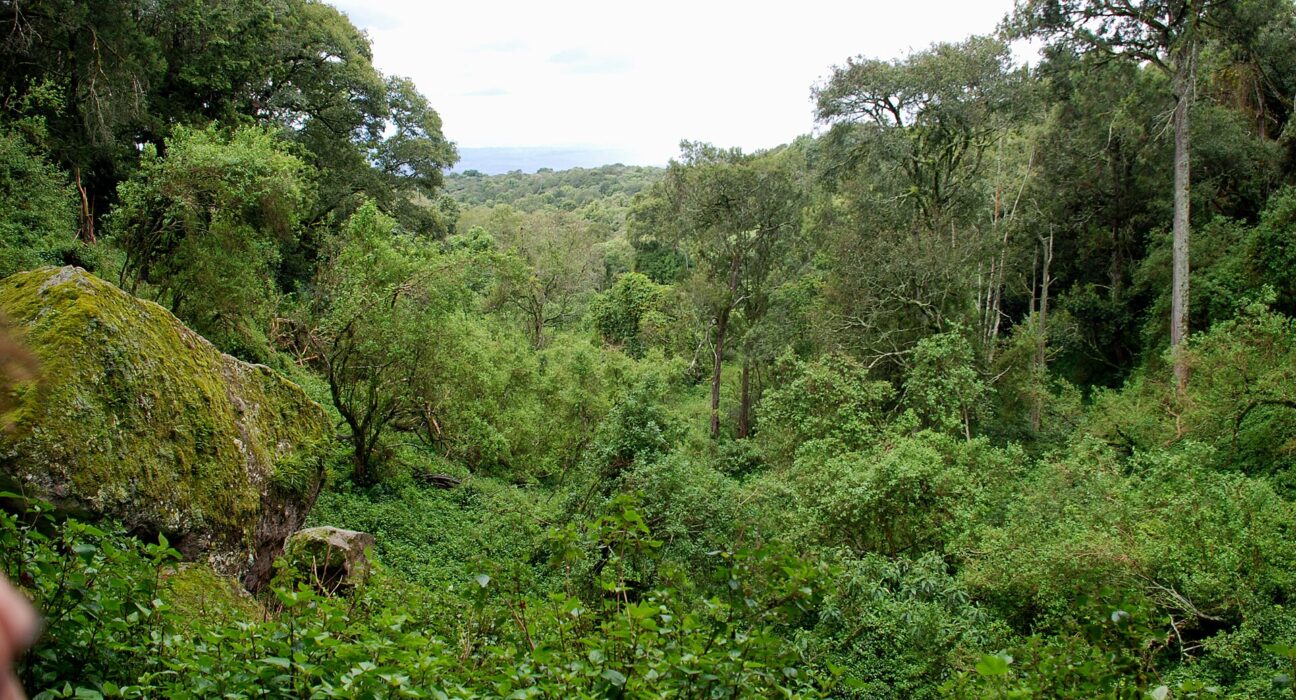
- Reforestation and afforestation: Projects such as the Mount Kenya Regenerative Agroforestry Project (Verra VCS ID 3321) restore highland slopes and work with smallholder farmers across 15,000 hectares under methodology VM0047, as reported by CO2.ke in November 2026.
- Renewable energy initiatives: Clean energy projects, including efficient cookstove distributions certified by Gold Standard such as Hongera Energy Efficient Cookstoves (GS 12033), reduce indoor air pollution and biomass consumption.
- Soil carbon and rangelands: The Northern Kenya Rangeland Carbon Project removes carbon through modified livestock grazing practices, storing an expected 50 million tons of carbon dioxide over 30 years as detailed by the Northern Rangelands Trust in November 2026.
For related financial planning insights, you may also consult our articles on how to buy treasury bills in Kenya and hisa vs ndovu 2026.
Step-by-step process to buy carbon offsets
Companies wishing to purchase carbon credits can follow a structured procurement and project evaluation process:
- Conduct an emissions inventory: Establish your corporate carbon footprint to measure total greenhouse gas emissions across operational scopes.
- Determine reduction targets: Identify residual emissions that cannot be eliminated through operational changes, which require offsetting to meet net-zero goals.
- Select a project developer or broker: Connect with project originators. For instance, to discuss options on the Northern Kenya Rangelands Carbon Project, the Northern Rangelands Trust lists Jennifer Gerholdt, Director of Client Strategy at Native, via email at jennifer.gerholdt@native.eco or phone at +1-202-760-5335.
- Review independent verification: Ensure credits carry validation reports and serial-numbered units from recognized registries such as Verra VCS or Gold Standard.
- Purchase and retire: Buy the serial-numbered units and retire them on public registries to transparently claim your corporate climate offset.
Summary of Kenyan carbon market metrics
| Metric or Project | Details as of November 2026 | Source |
|---|---|---|
| Average price per tCO₂ | US$12 for high-integrity nature-based credits | CO2.ke |
| Registered VCS projects in Kenya | 40+ projects | CO2.ke |
| Mount Kenya Project Area | 15,000 hectares (growing to 40,000 hectares) | CO2.ke |
| Northern Kenya Rangelands Target | 50 million tons of CO₂ stored over 30 years | Northern Rangelands Trust |
Understanding land assessment and eligibility criteria
According to CO2.ke as of November 2026, land assessment and eligibility for carbon projects typically takes four to eight weeks. A site visit and satellite analysis determine whether the land qualifies by assessing forest cover, deforestation pressure, carbon density, and tenure security, noting that most forest and grassland areas in Kenya qualify. Following eligibility, establishing a baseline and project design takes three to six months to determine how much carbon the land currently stores and how much it would lose without the project, forming the Project Design Document (PDD) submitted to Verra or Gold Standard. Independent verification takes six to 12 months, where an accredited third-party auditor validates the project methodology, carbon measurements, and community benefit structure. Registry registration and credit issuance takes one to three months, where the verified project is listed on public registries and serial-numbered units are issued.
For additional commercial guidance, you can also read our summary on companies listed on the NSE by sector.
Frequently asked questions
What is a carbon credit?
According to CO2.ke as of November 2026, a carbon credit certifies that one metric tonne of CO₂ has been removed from or prevented from entering the atmosphere.
How are Kenyan carbon credits verified?
As stated by CO2.ke in November 2026, projects are independently audited and certified by international bodies such as Verra VCS or Gold Standard before being issued serial-numbered units.
What standards do Kenyan projects use?
The CO2.ke portal notes that projects utilise Verra VCS, Gold Standard, Climate, Community & Biodiversity (CCB), and Paris Agreement Article 6 frameworks.
Who can purchase carbon credits in Kenya?
As reported by CO2.ke in November 2026, any corporation, institution, or individual can purchase credits through the Kenya Carbon Markets Authority exchange or directly from project developers.
Prefer WhatsApp? Follow Business Radar on WhatsApp
We will email you a weekly money and business brief. We store your email (and your name, if you give one) for that purpose, under the Kenya Data Protection Act, 2019. You can unsubscribe at any time. Privacy policy.

