


Get breaking business news on WhatsApp
A seven-year, KSh1.6 billion skills programme funded by the Government of Canada will train 10,000 refugee and host-community youth in Turkana and Garissa. Under the STEP project, training starts only after a job, a client contract or a buyer has been confirmed.
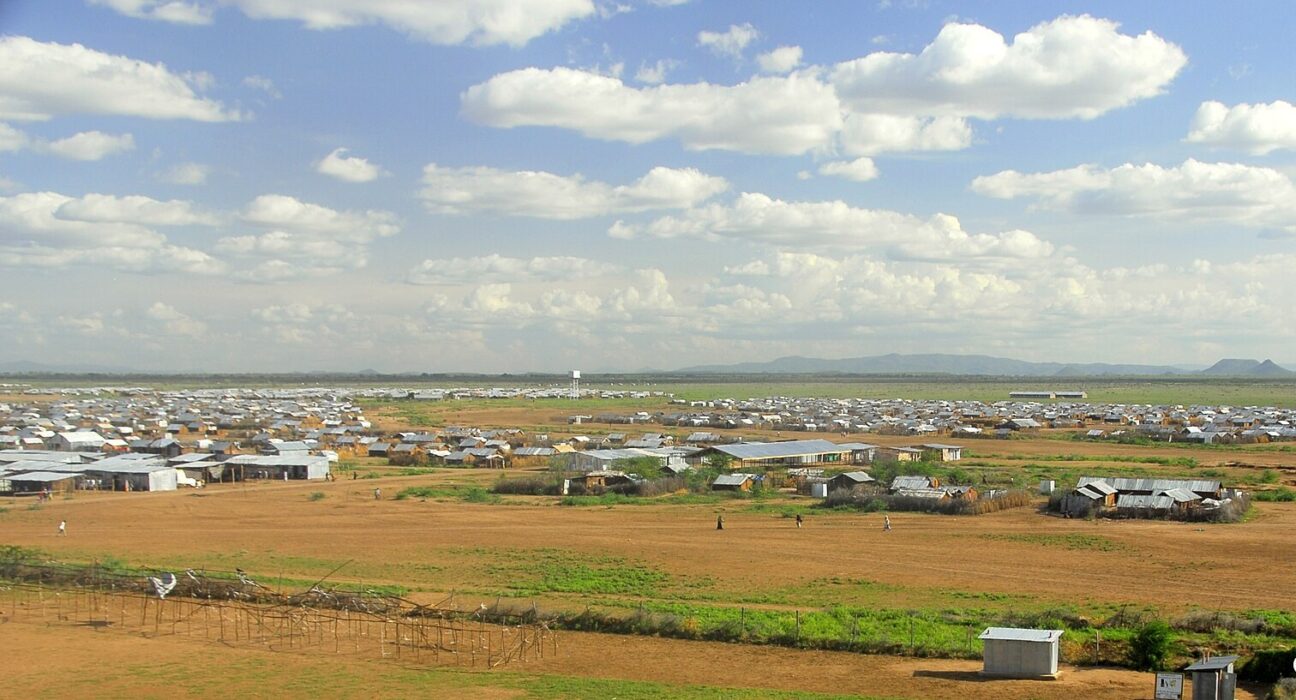
The Strengthen Skills Training Ecosystems and Pathways in Kenya (STEP) project was launched at The Cradle in Kakuma, the Kenya News Agency (KNA) reported on 28 November 2026. It is funded through Global Affairs Canada and run by the World University Service of Canada (WUSC) with local partners.
On this page
Who the STEP project covers
Of the 10,000 young people, 6,000 will come from Turkana and 4,000 from Garissa. Turkana’s share is split between 3,600 refugee youth from Kakuma-Kalobeyei and 2,400 from the host community.
| Group | Youth |
|---|---|
| Turkana: Kakuma-Kalobeyei refugees | 3,600 |
| Turkana: host community | 2,400 |
| Garissa | 4,000 |
| Total | 10,000 |
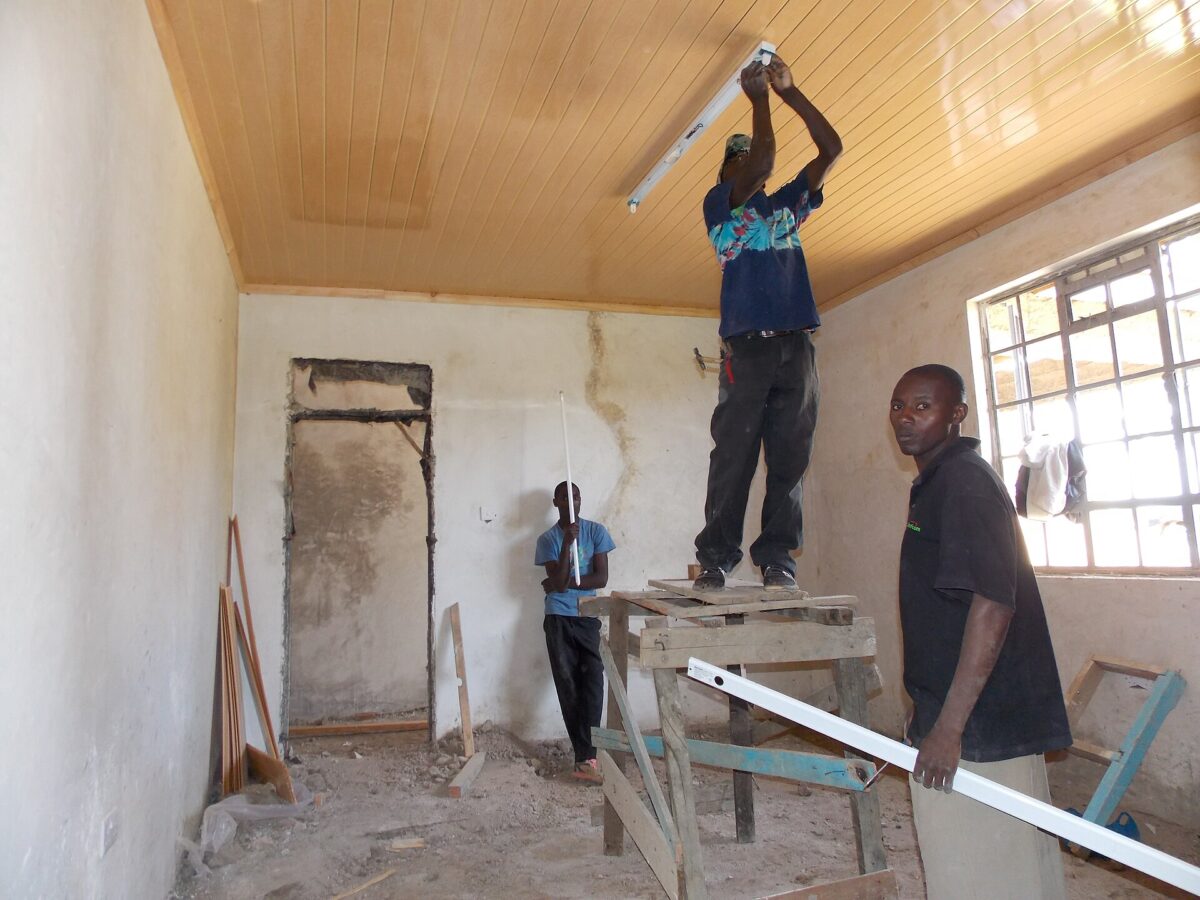
Training will cover digital outsourcing, technical trades, enterprise development and what the project calls ethical international labour mobility. The courses named include artificial intelligence data annotation, solar installation, electrical wiring, automotive diagnostics and commercial construction.
Jobs first, then training
The project reverses the usual order of skills programmes. “We do not recruit a single youth or launch a single training class until an employer vacancy, a client task order or a buyer off-take contract is independently verified,” project director Nelson Owange said.
WUSC Kenya country director Ruth Muendo said the goal was to avoid training that the market cannot absorb. “STEP is about creating real economic opportunities for 10,000 young people by connecting their skills to the market,” she said.
The approach answers a common complaint. Elizabeth Koller, a refugee youth, told the launch that many young people “have certificates in their bags but remain at home because they cannot get jobs without experience”.
What it means for employers
Because training follows verified demand, firms that need data annotators, solar installers, electricians, mechanics or construction workers can shape what is taught by committing vacancies or contracts. Turkana County Secretary Dr Richard Ekai urged partners to make sure training leads to access to finance, markets and mentorship, and to prioritise women and girls.
Neither KNA nor the speakers said how employers can register demand or when the first classes will start. For the wider picture, see our guide to online jobs that pay via M-Pesa, our guide to EPRA solar licences and the EPRA electrician licence.
Frequently asked questions
What is the STEP project in Kenya?
Strengthen Skills Training Ecosystems and Pathways in Kenya is a seven-year, KSh1.6 billion programme for 10,000 refugee and host-community youth in Turkana and Garissa, funded by Global Affairs Canada.
Who runs the STEP project?
The World University Service of Canada (WUSC) runs it in partnership with local organisations, according to KNA.
What skills will STEP teach?
The courses named include AI data annotation, solar installation, electrical wiring, automotive diagnostics and commercial construction, along with enterprise development.
How many places are in Turkana and Garissa?
Turkana gets 6,000 places (3,600 refugee youth from Kakuma-Kalobeyei and 2,400 from the host community), and Garissa gets 4,000.
Prefer WhatsApp? Follow Business Radar on WhatsApp
We will email you a weekly money and business brief. We store your email (and your name, if you give one) for that purpose, under the Kenya Data Protection Act, 2019. You can unsubscribe at any time. Privacy policy.

