The International Monetary Fund’s October estimates put Kenya’s nominal GDP at $151.15 billion, or about Sh19.6 trillion, up from $147.26 billion in April — a gain of $3.89 billion, roughly Sh504 billion, that still leaves the country seventh among African economies.
Kenyans.co.ke and People Daily reported the revised IMF figures on Tuesday. Kenya remains East Africa’s largest economy. Ethiopia follows at $127.15 billion (about Sh16.5 trillion), having overtaken the Democratic Republic of Congo at $122.28 billion. Tanzania stands at $96.18 billion and Uganda at $72.24 billion, trailing Kenya by about $24 billion.
Regional reshuffle
Between May and October baselines cited in the Kenyans.co.ke report, Ethiopia added about $6.15 billion, while the DRC contracted by roughly $1.12 billion and Uganda by $1.13 billion. Tanzania grew by about $1.29 billion. The IMF lift for Kenya was not enough to reclaim sixth place on the continental ranking.
Continentally, South Africa leads at $489.08 billion, followed by Egypt at $442.89 billion, Nigeria at $386.87 billion, Algeria at $331.89 billion, Morocco at $195.63 billion and Angola at $157.3 billion. Several of those peers also posted large absolute gains over the same window, keeping Kenya outside the top six despite the six-month bump.
What the ranking does not settle
Nominal GDP size is a scoreboard of output and exchange-rate conversion, not living standards. Kenya’s lead over Ethiopia and Uganda in East Africa coexists with faster growth rates elsewhere in the region in other IMF snapshots this month. For investors and fiscal planners, the practical takeaway from the October revision is scale: a Sh19.6 trillion economy that still sits behind Angola on the African table, with neighbours closing or widening gaps depending on commodity cycles and currency moves rather than a single reordering of the podium.
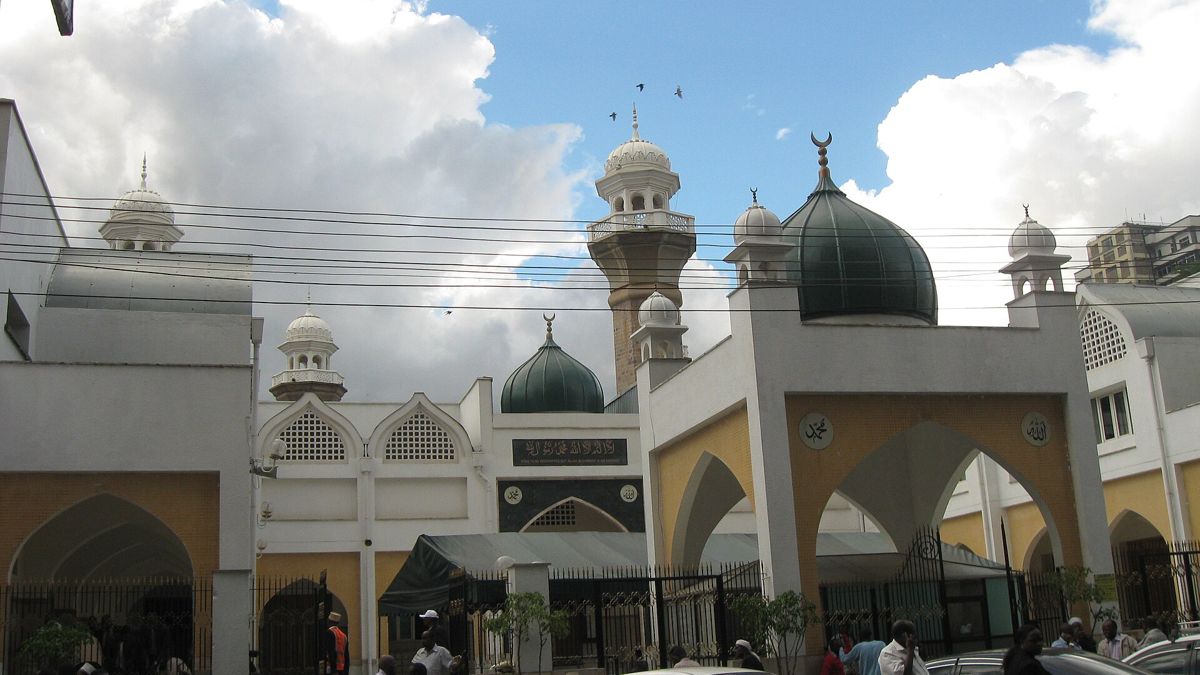
Photo: Lebu Ayiga / Wikimedia Commons (CC BY-SA 4.0)
Sources: Kenyans.co.ke, People Daily, Wikimedia Commons. Last updated October 2026.