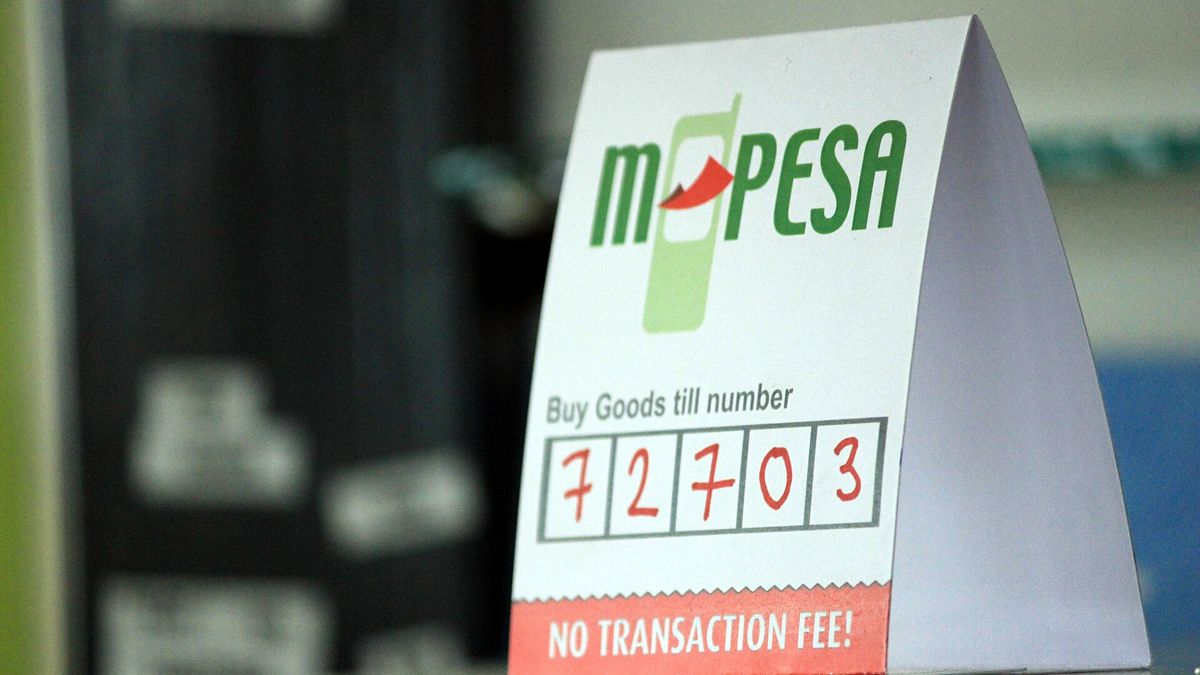



Updated 25 October 2026
“Where should I advertise my business in Kenya?” has no single answer. A plumber in Syokimau, a Sacco recruiting members, and a fintech launching a savings product need different channels. This guide sets out the main advertising options open to Kenyan businesses in 2026, what each typically costs according to the providers’ own published rates, and who each suits. Rates were checked on the linked pages on 25 October 2026 and change often, so confirm before you commit.
Disclosure: Business Radar sells advertising. Our own packages appear in the publisher section with the same detail as the others, and most of the options in this guide are not ours.
1. Free channels to set up first
Almost every business should start here, because they cost nothing and catch people who are already looking for you.
- Google Business Profile: puts you on Google Maps and local search results. Keep your name, location, phone number and hours accurate and ask happy customers for reviews.
- WhatsApp Business: a catalogue, quick replies and status updates for customers who prefer to message. BusinessMax’s SME guide explains the catalogue feature in detail.
- Classifieds and marketplaces such as Jiji and Facebook Marketplace, where buyers arrive ready to buy. Clear photos and a stated price matter more than anything else.
- Free directory listings such as BusinessFinder and Adenta, which give you a profile page you can share.
2. Paid search and social advertising
Google Ads, Meta (Facebook and Instagram), TikTok, YouTube and LinkedIn all let you set your own daily budget, so you can start small and stop at any time. The rule of thumb in Donvic Marketing’s comparison of Kenyan platforms is a useful one: if customers already search for what you sell, start with Google; if they need to discover you, start with Meta or TikTok; for business buyers, LinkedIn. For current user numbers by platform, see DataReportal’s Digital 2026: Kenya and the Communications Authority’s statistics rather than figures quoted second-hand.
3. Advertising with Kenyan publishers
Publishers sell display banners, sponsored articles, newsletter slots and section sponsorships. They suit brands that need explanation and trust, such as financial products, schools and B2B services, because the advert sits next to content readers chose to read. Published examples:
| Publisher | Formats | Published rates |
|---|---|---|
| Standard Digital (2022 rate card) | Display on a CPM basis, homepage takeovers, sponsored articles, video and social packages | Client-written article KSh 80,000; Standard-written KSh 130,000 (2022 card, plus VAT) |
| Kenyan News (254.ke) | Section sponsorship, sponsored articles, social posts | Sponsored article KSh 35,000; News section KSh 40,000 a week |
| Money.ke | Sponsored guest posts on personal finance | KES 7,500, plus KES 5,000 if they write it |
| SeedComms network | Sector newsletters and display for health, agriculture, marketing and AI | Rates on its advertise page |
| Khusoko, Business Report, KeNews, Think Business | Business audiences: newsletters, partner content, section sponsorship, events | Rate card or quote on request |
| Business Radar (our offer) | Sponsored guides, tool sponsorship on our calculators and rate trackers, branded calculators, newsletter slots | Newsletter from KES 3,000 per issue; Always-On retainer about KES 80,000 to 150,000 a month; Launch package about KES 150,000 to 300,000 |
When comparing publishers, ask each for audience figures in writing, how sponsored content is labelled, whether links are marked as sponsored, and what results report you get afterwards. A reputable publisher will answer all four.
4. Traditional media and outdoor
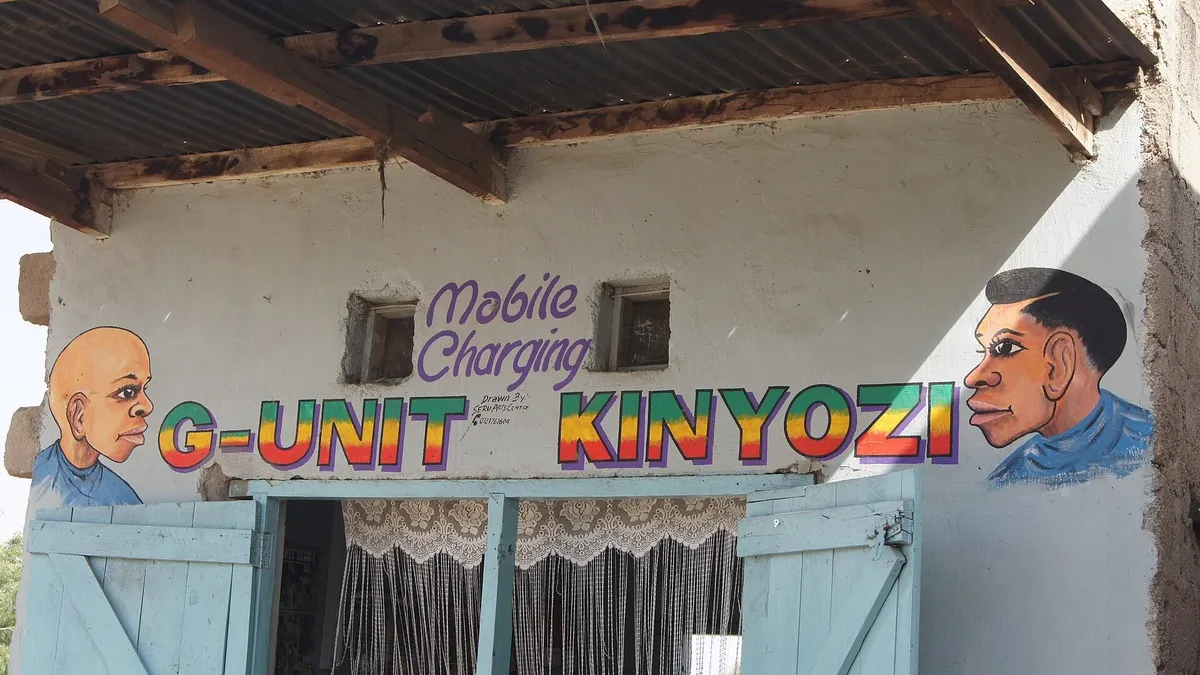
Radio, TV, print and billboards still reach audiences that digital ads miss, especially outside Nairobi and in vernacular radio markets. They usually need larger budgets and creative production, and are best bought through a media agency that can negotiate rates and confirm airtime.
How to choose with a small budget
- Set up the free channels first and make sure your phone and WhatsApp are answered.
- Pick one paid channel that matches how customers find you, and set a test budget you can afford to lose.
- Measure one action per channel, such as calls, WhatsApp chats or enquiries, not likes.
- After a month, keep what produced customers and drop what did not.
Rules to keep in mind
Claims in adverts must be true. The Competition Authority of Kenya handles complaints about false or misleading representations to consumers. Financial products have extra rules: digital lenders must be licensed by the Central Bank of Kenya, and many publishers, including Business Radar, refuse adverts from unlicensed lenders.
Prefer WhatsApp? Follow Business Radar on WhatsApp
Weekly, free. We only use your email for this newsletter and you can unsubscribe in one click. Privacy policy.