Controller of Budget Margaret Nyakang’o says borrowing to pay public servants’ salaries, a recurring red flag in her reports on county spending, has effectively ended following the integration of the government’s payroll and financial management systems.
Nyakang’o attributed the change to linking the Integrated Financial Management Information System (IFMIS) with the Government Human Resource Information System, and to more punctual releases of funds by the National Treasury, Capital FM and People Daily reported.
“The issue of borrowing to pay salaries is a thing of the past. It is not something we are going to be reporting on this year,” she said, according to Capital FM.
How the payroll link works
The reforms, operational since July 1, 2026, tie payroll processing to IFMIS so that salaries and statutory deductions are processed together. Employees receive their net pay while Pay As You Earn is remitted to the Kenya Revenue Authority and pension contributions go to the relevant schemes, People Daily reported.
The aim is to stop county governments from paying take-home salaries while holding back deductions for tax, pensions and health insurance and using that money elsewhere — a practice that previously left them short of cash and forced them to borrow, Dawan Africa explained.
“Because of the integration of the human resource system and the IFMIS, the counties in particular have been told not to borrow. Not to borrow anywhere for salaries,” Nyakang’o said.
Treasury timing
She linked the change to the timing of Treasury disbursements, saying counties must receive their allocations on time if gross salaries are to be paid without diversion.
“And if you have noticed, the Treasury has been more punctual in giving the monthly disbursements, because it is a condition that if the gross salary is going to be paid as it is, without any diversion, then the disbursements must be given on time, or in time, as we say,” she said, as quoted by People Daily.
“This is a very good development that is going to help us because then there are no excuses for borrowing to pay salaries,” she added.
Old arrears remain
The reforms do not wipe out liabilities that built up before July. A report Nyakang’o presented to the Senate Labour Committee showed county governments had about Sh100.24 billion in outstanding salary arrears and statutory deduction liabilities as of June 30, 2026, People Daily reported.
Nyakang’o has also raised concerns that some counties budget for employees’ net salaries without fully accounting for the cost of employment, including statutory contributions. Dawan Africa reported that her office hopes there will be no new short-term salary arrears by the end of the current financial year if the system keeps working.
Capital FM noted that the Controller of Budget did not give figures on savings from the integration or on how much had previously been borrowed to meet salary obligations.
Sources: Capital FM | People Daily | Dawan Africa
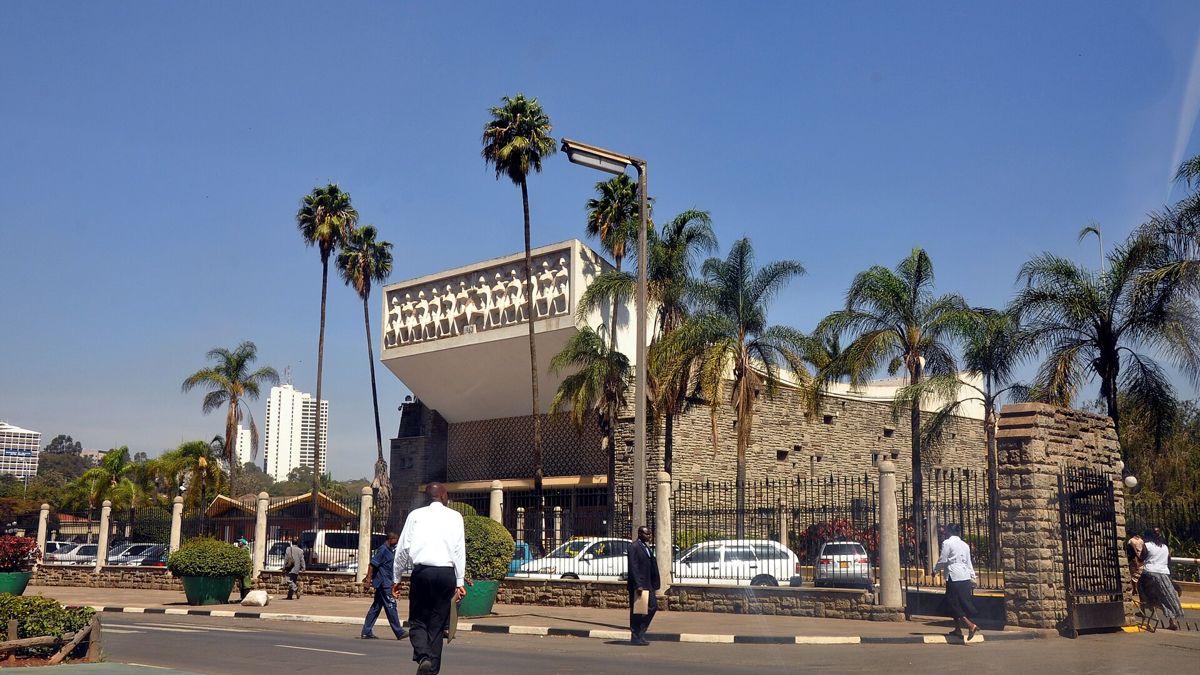
Photo: Jorge Láscar from Bogotá, Colombia / Wikimedia Commons (CC BY-SA 2.0)