The Kenya Association of Manufacturers (KAM) is back at the High Court in Nairobi on Thursday in its bid to overturn a 433 per cent increase in excise duty on imported industrial sugar.
The case, filed at Milimani last week, is due for mention to confirm whether parties have complied with court directions and to receive further instructions. Justice David Mburu certified the application as urgent on October 7, directed KAM to serve the petition by close of business on October 8, and gave the respondents seven days from service to reply, The Star and Capital FM reported.
What is being challenged
KAM is contesting Section 36(a)(vi) of the Finance Act, 2026, which raised excise duty on imported industrial sugar from Sh7.50 to Sh40 per kilogramme from July 1. Respondents include the State Law Office and the Kenya Revenue Authority.
The lobby wants the provision declared unconstitutional and quashed, restoring the previous Sh7.50 rate. It argues the measure breaches fair taxation principles and was enacted without meaningful public participation, because the Sh40 rate was not in the Finance Bill, 2026 as first published but was introduced on the floor of the National Assembly.
“The increase in excise duty from Sh7.50 to Sh40 per kilogram represents a 433 percent rise,” the association argues in its challenge, as quoted by Capital FM.
Costs, jobs and regional trade
KAM estimates the higher duty could add Sh6 billion a year to manufacturers’ costs, with capacity utilisation in affected industries possibly falling by as much as 50 per cent. It says about 3,000 jobs and more than 300 internship and apprenticeship opportunities could be at risk if firms cannot absorb the extra cost.
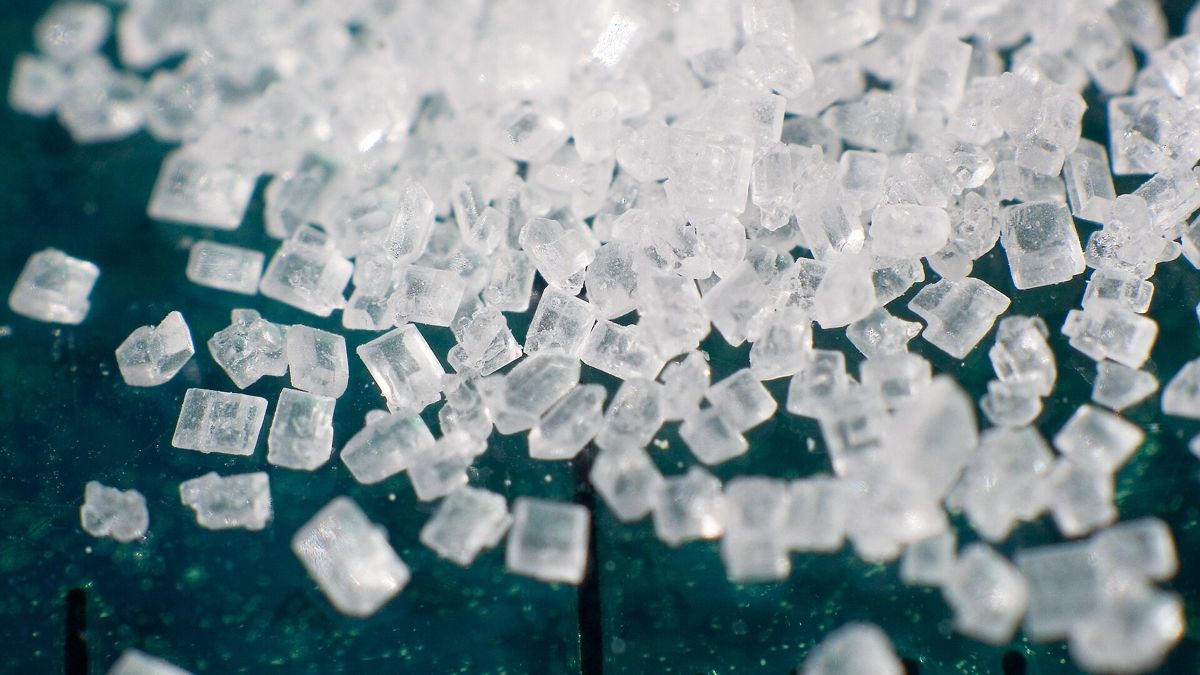
Industrial sugar feeds into beverages and soft drinks, alcoholic drinks, dairy products, confectionery and chocolate, processed foods such as sauces, jams, juices and canned goods, and some pharmaceuticals.
“Industrial sugar is a critical production input rather than a finished consumer product and taxing it heavily increases the cost of making goods locally and could undermine efforts to expand manufacturing, attract investment and create employment,” KAM says, according to The Star.
The association says the new duty, combined with other taxes, levies and port charges, pushes the total fiscal burden on imported industrial sugar to about 90 per cent of its cost, insurance and freight value. It points out that Uganda and Tanzania do not impose excise duty on industrial sugar, and that about 90 per cent of Kenya’s exports in the affected product categories go to the regional market.
Duty stays in force for now
The urgency certification is not a ruling on the merits of the petition or on KAM’s request for conservatory orders. The Sh40 per kilogramme rate therefore remains in force unless the court orders otherwise.
The government introduced the higher duty in the Finance Act, 2026 to promote local production, Kenyans.co.ke reported earlier. KAM says higher input costs could force manufacturers to review pricing, output, investment and hiring as they compete with imports and producers in neighbouring states.
The outcome will matter to factories in food, beverage and pharmaceutical manufacturing, where production and supply-chain roles listed on Job in Kenya depend on firms keeping lines running at capacity.
Sources: The Star | Capital FM | Daily Nation | Kenyans.co.ke
Photo: Lauri Andler (Phantom) / Wikimedia Commons (CC BY-SA 3.0)