


Updated 29 November 2026
Kakamega Forest entry fees at the KWS-run Kakamega Forest National Reserve are KSh 500 for a Kenyan or East African citizen adult and KSh 250 for a child, KSh 675 for a Kenya resident adult and USD 50 for a non-resident adult, according to the Kenya Wildlife Service (KWS) conservation fee schedule. A car with fewer than six seats adds KSh 600 a day. Kenyan citizens aged 70 and over, people with disabilities and children aged five and under enter free, and fees are paid on eCitizen, not in cash.
Updated 29 November 2026. Based on the KWS Conservation Fees 2025 schedule and the KWS Kakamega Forest National Reserve page.
On this page
In this guide
Kakamega Forest entry fees by visitor
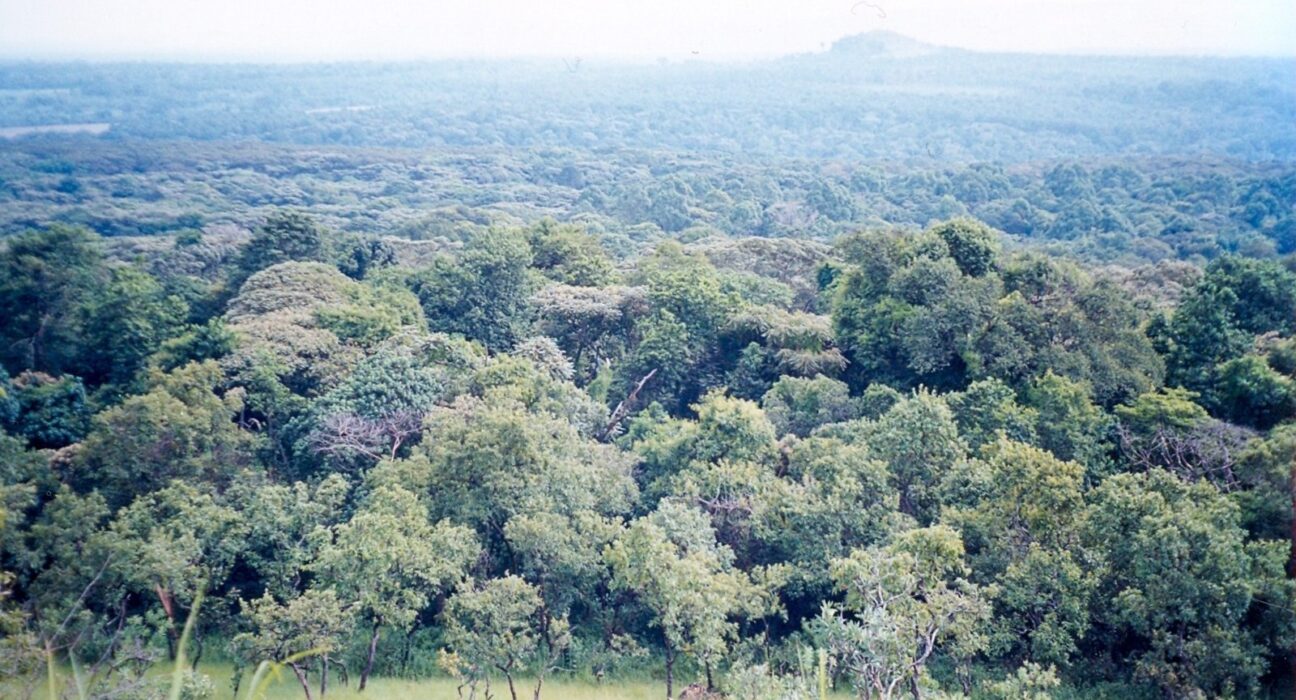
KWS describes Kakamega as Kenya’s only tropical rainforest and the last fragment of the Guineo-Congolian rainforest that once stretched across Central and West Africa. It is an Important Bird Area, and KWS lists seven primate species, including the De Brazza’s monkey, and more than 380 recorded tree species. The reserve sits in KWS’s “scenic parks” tier with Hell’s Gate and Mount Longonot, so the Kakamega Forest entry fees match theirs:
| Visitor category | Adult | Child or student |
|---|---|---|
| East African citizen (including Kenyans) | KSh 500 | KSh 250 |
| Kenya resident (valid permit or pass) | KSh 675 | KSh 350 |
| African citizen (outside the EAC) | USD 20 | USD 10 |
| Non-resident | USD 50 | USD 25 |
For Kakamega Forest entry fees, KWS counts anyone aged five to 17 as a child. The student rate is for learners aged 23 or younger on an organised trip arranged by their school, college or university, which matters for the many school groups that visit from Western Kenya. A daily ticket covers one entry for up to 24 hours.
Which part of the forest these fees cover
Kakamega Forest was gazetted as a trust forest in 1933. In 1985 the northern section, about 4,468 hectares, was gazetted as Kakamega National Reserve, and that is the part KWS manages and charges for. KWS says the wider forest ecosystem covers about 238 square kilometres, of which less than half is still intact indigenous forest. The Kakamega Forest entry fees on this page are the KWS reserve rates. Other parts of the wider forest fall under other managers, which may charge differently, so confirm which gate you are using before you travel.
Vehicle charges
Kakamega Forest entry fees are per person. KWS adds a daily vehicle charge:
| Vehicle | Daily charge |
|---|---|
| Fewer than 6 seats | KSh 600 |
| 6 to 12 seats | KSh 1,500 |
| 13 to 24 seats | KSh 3,000 |
| 25 to 44 seats | KSh 4,500 |
| 45 seats and above (school bus) | KSh 5,000 |
A school arriving in a 62-seater bus therefore pays KSh 5,000 for the bus on top of the student entry rate for each learner.
Camping and where to stay
KWS lists two public campsites in the reserve, Udo and Biota. Public camping in parks outside the premium tier costs KSh 200 per citizen adult and KSh 150 per child per night, KSh 300 and KSh 200 for residents, and USD 20 and USD 15 for non-residents, on top of Kakamega Forest entry fees.
KWS also lists three self-catering stays it runs, Mbugani Homes, Isukuti Guest House and Udo Guest House, and five private hotels and lodges in the area: Rondo Retreat Centre, Golf Hotel Kakamega, Turaco Hotel, Luvambo Forest Resort and Grand Malava Forest Lodge. Room rates are not published on the KWS page, so ask each property. Our guide to KWS camping fees has the full campsite tariff.
Who enters free
The KWS schedule exempts these visitors from Kakamega Forest entry fees and other KWS conservation fees:
- Kenyan citizens aged 70 and older.
- People with disabilities, as defined in the Persons with Disabilities Act, 2025.
- Children aged five and younger.
- Tour drivers, guides and porters registered with the Tourism Regulatory Authority and belonging to a registered association.
Getting there and gate times
From Kakamega town, KWS says the reserve is 18km along the road towards Webuye and Eldoret. From Nairobi, the shortest route is about 418km: take the A104 to Timboroa, continue 4km, turn left onto the C36 to Kapsabet, then follow the C39 until it joins the Kisumu to Kakamega road. From Eldoret, take the C39 through Kapsabet. You can also fly to Kisumu or Eldoret and drive the rest of the way.
Gates open at 6am and close at 6pm unless you are staying overnight. Early morning is the usual time for birdwatching. KWS contacts: Kakamega hotline 0110 721 510 or 0703 861 233, toll free 0800 597 000, WhatsApp +254 726 610 509 and email customerservice@kws.go.ke.
How to pay and what a visit costs
Kakamega Forest entry fees are paid on KWS’s eCitizen platform by M-Pesa or card. Our guide on how to pay KWS park fees through eCitizen explains the steps. eCitizen may add a small convenience charge.
| Visit | Calculation | Total before eCitizen charge |
|---|---|---|
| Kenyan adult on a boda from Kakamega town | 500 | KSh 500 |
| Kenyan couple by car | 2 x 500 + 600 | KSh 1,600 |
| Kenyan family of 4 (2 children) by car | 2 x 500 + 2 x 250 + 600 | KSh 2,100 |
| Two Kenyans camping one night at Udo | 2 x 500 + 2 x 200 | KSh 1,400 |
| School trip: 60 students, 2 teachers, one bus | 60 x 250 + 2 x 500 + 5,000 | KSh 21,000 |
| Two non-resident birders with a driver | 2 x USD 50 + KSh 600 | USD 100 + KSh 600 |
The same tier applies at Hell’s Gate National Park. For a longer itinerary, see our overview of official Kenya safari fees. Hotels, tour guides and businesses in Kakamega can advertise on Business Radar, and traders setting up nearby should check Kakamega County business permit fees.
Frequently asked questions
How much are Kakamega Forest entry fees for Kenyans?
Kakamega Forest entry fees for Kenyan citizens are KSh 500 per adult and KSh 250 per child aged five to 17 at the KWS national reserve. Children five and under enter free.
How much do foreigners pay at Kakamega Forest?
Non-residents pay USD 50 per adult and USD 25 per child. Residents with a valid permit pay KSh 675 per adult and KSh 350 per child.
How far is Kakamega Forest from Kakamega town?
KWS says the reserve is 18km from Kakamega town on the road towards Webuye and Eldoret.
Can I camp in Kakamega Forest?
Yes. KWS lists Udo and Biota public campsites, at KSh 200 per Kenyan adult per night plus the entry fee.
Can I pay Kakamega Forest fees in cash?
No. KWS collects fees through eCitizen by M-Pesa or card.
Prefer WhatsApp? Follow Business Radar on WhatsApp
We will email you a weekly money and business brief. We store your email (and your name, if you give one) for that purpose, under the Kenya Data Protection Act, 2019. You can unsubscribe at any time. Privacy policy.

