


Get breaking business news on WhatsApp
Updated 1 November 2026

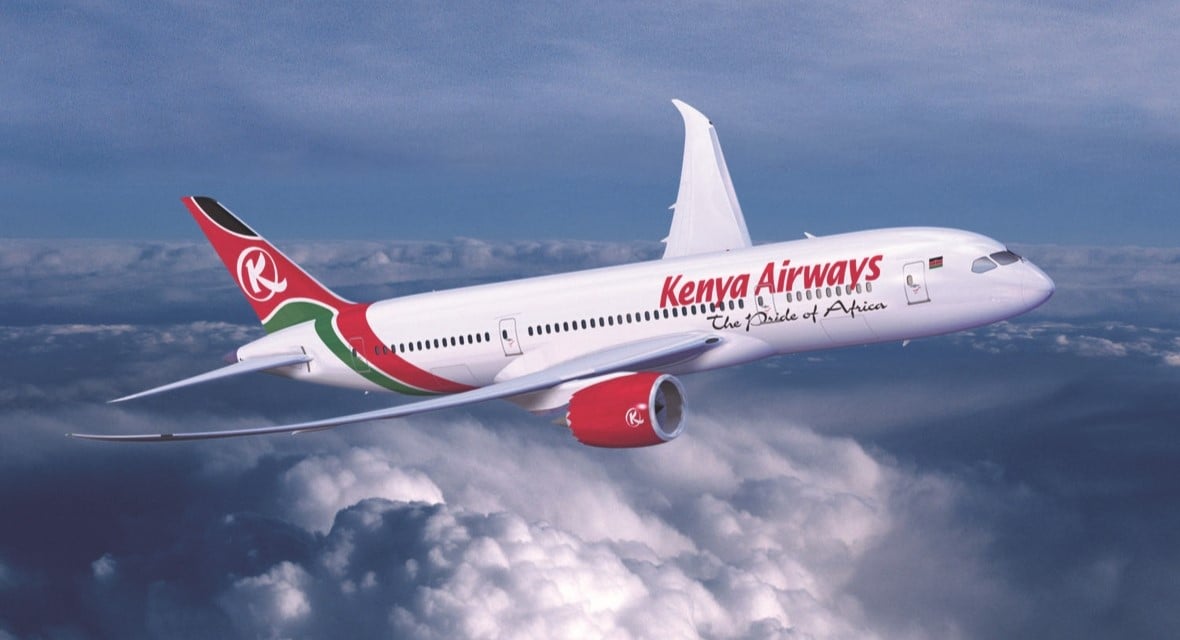
Kenya Airways (KQ) has picked US-based PROS to run its revenue management, adding a third artificial intelligence tool to its commercial operation this year as it tries to earn more from every seat after a tough first half. The airline announced the deal on 30 October 2026.
KQ will roll out PROS Revenue Management Advantage, a system that combines demand forecasting with network planning. The airline says it will help it predict demand more accurately, spot revenue opportunities across its routes and make faster commercial decisions as market conditions change.
What revenue management means for passengers
Revenue management is the work of deciding how many seats to sell at each fare, on which flights and when. Better forecasts let an airline hold back cheaper seats on busy dates and release more of them on quieter flights, so the system shapes the fares Kenyan travellers see when they book.
KQ says the investment also lays the groundwork for “offer optimisation”, meaning fares and extras tailored to each customer, as part of a wider move into airline retailing.
“In an ever-evolving industry, it is crucial to have innovative solutions that can adapt to changing market dynamics,” said Julius Thairu, Kenya Airways’ Chief Commercial and Customer Officer. He said PROS’ AI capabilities “stood out as the perfect fit for our ambitious growth plans”.
Surain Adyanthaya, President of the Airline Group at PROS, said airlines increasingly want offers that reflect customer demand and market conditions “in real time”.
Third tech deal of 2026
The PROS contract is part of a run of technology upgrades at the national carrier:
- April 2026: KQ adopted Jupiter 5.0, an AI-powered pricing platform from FlyNava Technologies, to update fares faster and keep pricing consistent.
- September 2026: it selected Sabre to replace its reservations, ticketing, inventory and check-in system, which had served the airline for more than two decades.
- October 2026: PROS for forecasting and revenue management.
Together the three systems cover how KQ sets prices, how it sells tickets and how it decides how many seats to offer at each price.
Why it matters now
The airline needs every extra shilling of revenue. Kenya Airways’ half-year loss widened to KSh16.1bn in the six months to June 2026 as jet fuel costs jumped 32%. Income still grew 9% to about KSh81.3bn even though the airline flew less capacity, and its cabin factor, the share of seats filled, improved to 76.3%.
That pattern of fuller planes and stronger average fares is exactly what revenue management software is meant to protect. If PROS helps KQ fill more seats at better prices, it could ease some of the pressure from fuel and spare-parts shortages that grounded part of its Dreamliner fleet in 2025.
KQ did not disclose what the deal is worth or when the system will go live.
The move fits a wider push into AI by Kenyan institutions. The Central Bank of Kenya has identified nearly 300 AI use cases, while a recent survey found 73% of Kenyan firms still lack mature tech skills, a gap that companies adopting such tools will need to close.
Frequently asked questions
What system has Kenya Airways bought from PROS?
PROS Revenue Management Advantage, an AI-powered tool that combines demand forecasting and network planning to help the airline decide fares and seat availability.
Will Kenya Airways fares go up?
KQ has not announced fare changes. Revenue management tools usually change how many seats are sold at each fare level by date and route rather than setting a single higher price.
What other technology has Kenya Airways adopted in 2026?
FlyNava’s Jupiter 5.0 pricing platform in April and a new Sabre reservations and retailing platform in September.
Prefer WhatsApp? Follow Business Radar on WhatsApp
Weekly, free. We only use your email for this newsletter and you can unsubscribe in one click. Privacy policy.

