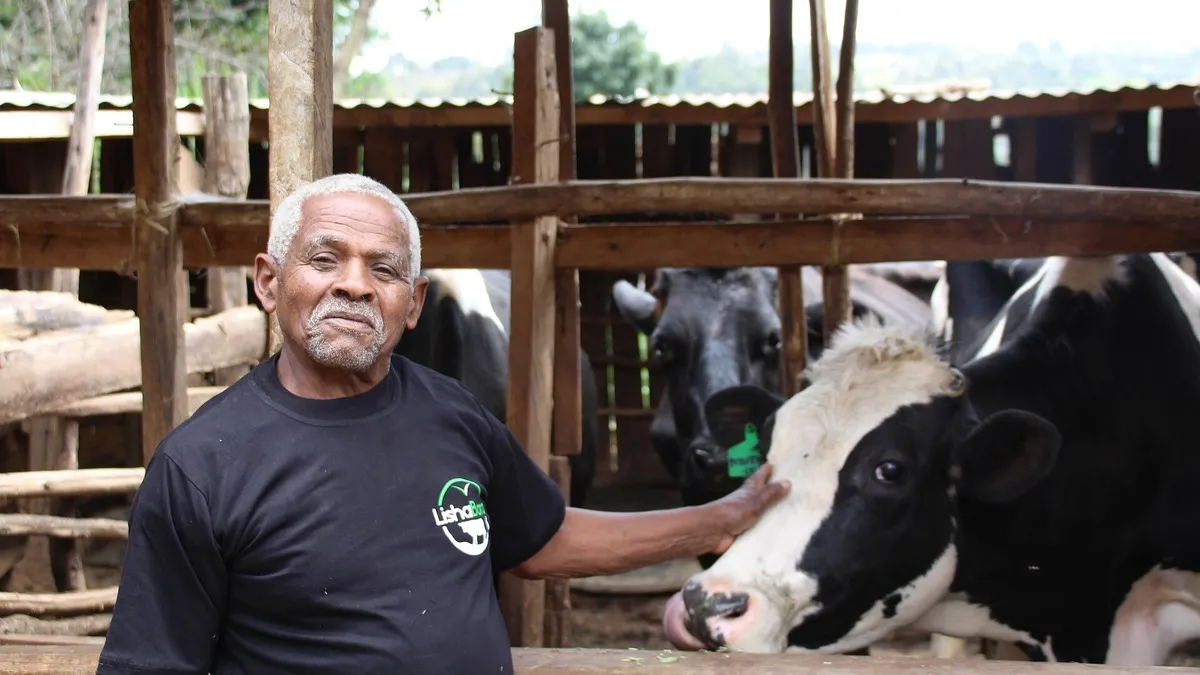
Kenyan shoppers are finding thinner milk shelves in supermarkets in Nairobi and Mombasa this week as a drop in formal milk deliveries, blamed mainly on a prolonged dry spell, squeezes supply to processors and retailers.
Government data cited by officials shows milk delivered to formal processors fell from 84.4 million litres in June to 81.3 million litres in July, a drop of about 3.7 percent. That is roughly 3.1 million litres less milk entering the processed market in a single month.
Some outlets have started rationing packets, and shoppers in urban centres report 500ml packets selling for as much as Sh90 in some stores.
Why milk is scarce
Officials have pointed to two main causes. The first is the drought, which has cut pasture and fodder in key dairy areas and reduced how much each cow produces. Dairy output in Kenya is closely tied to rainfall because most farmers rely on grazing rather than stored feed or silage.
The second is farmers selling to informal brokers. When milk is scarce, hawkers and middlemen often offer farmers higher prices per litre than processors and pay in cash on the spot. That pulls milk away from the processed market and leaves processors with less to pack.
Officials have also noted that the shortage is not uniform across the country, with some counties such as Kajiado reporting surplus milk.
What it means for prices
The squeeze comes at a bad time for household budgets. Fuel prices went up from October 15, with petrol rising to Sh226.96 a litre in Nairobi, as we reported in our EPRA fuel prices update. Higher diesel costs feed directly into milk collection and distribution, since processors run fleets of tankers and delivery trucks across the country.
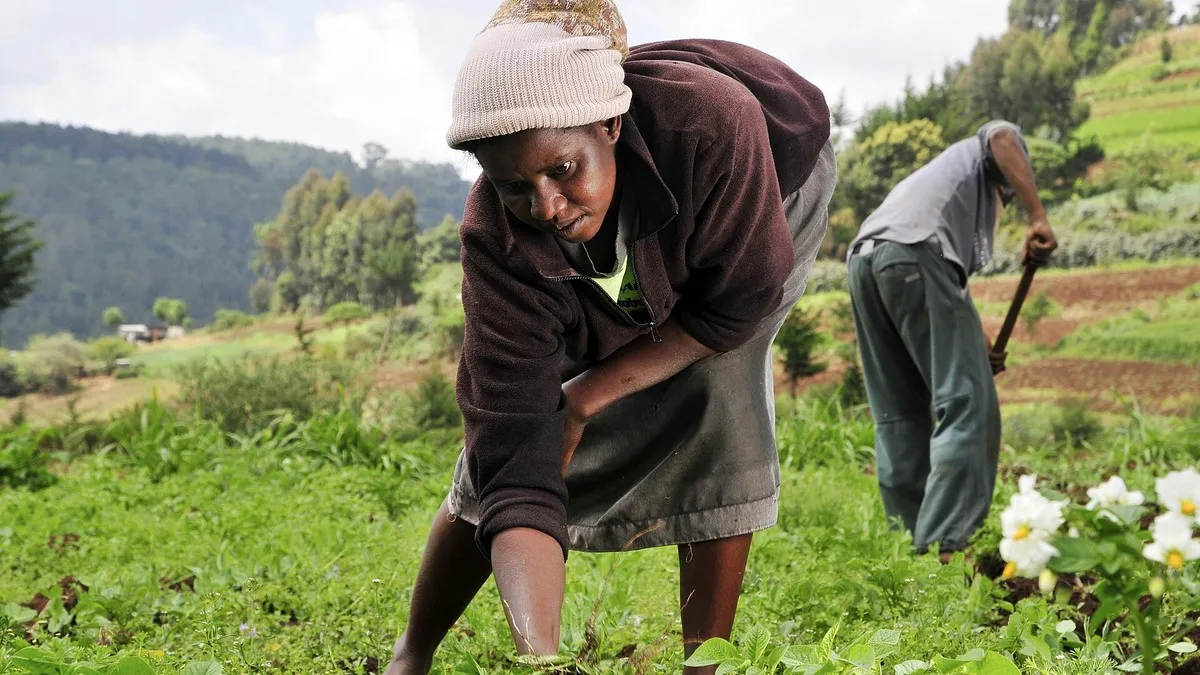
Dairy farmers also face higher costs for feeds and supplements during dry periods, which makes it harder to keep cows producing. Farmers who can afford hay or dairy meal tend to hold up output better, but many smallholders cannot.
For consumers, the likely result over the next few weeks is higher shelf prices for fresh milk, more substitution with long life milk and powder, and continued gaps on shelves until the rains improve pasture.
What to watch
- August and September delivery figures, which will show whether the decline has deepened.
- Whether processors raise farm gate prices to win back milk from brokers.
- Any move by the State to release stocks or ease imports of milk powder.
- Short rains forecasts for October to December, which will decide how fast pasture recovers.
Kenya is one of Africa’s biggest milk producers, and the dairy sector supports hundreds of thousands of smallholder farmers. Supply shocks tied to weather tend to ease once pasture recovers, but the timing depends on how soon and how well the short rains arrive.
Small traders and shop owners feeling the pinch can track their costs and margins with the business tools on Business Radar, while job seekers in agribusiness and food processing can browse current openings on Job in Kenya.