


Get breaking business news on WhatsApp
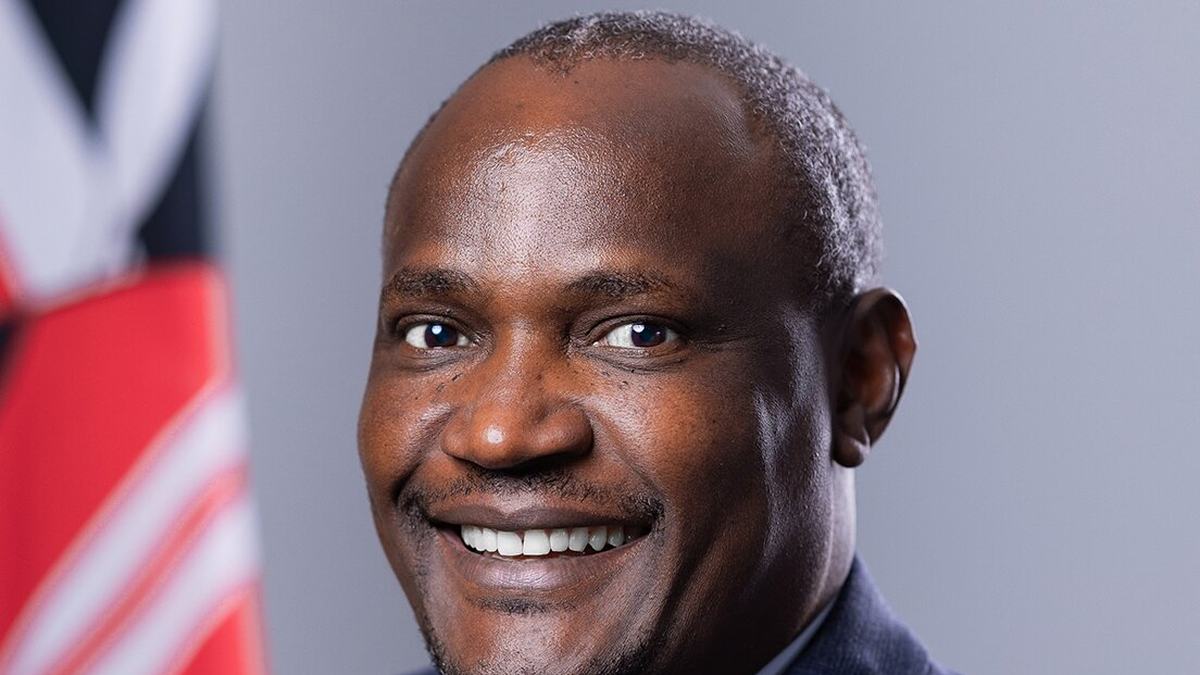
Treasury Cabinet Secretary John Mbadi has told political leaders to stop attacking Aliko Dangote’s purchase of nearly a quarter of Kenya Pipeline Company (KPC), warning that such statements could drive investors away from the Nairobi Securities Exchange.
“Investor confidence is the backbone of a strong economy. When political leaders undermine confidence in our markets, they risk scaring away both local and foreign investors, weakening market stability, and undermining the very businesses and jobs our people depend on,” Mbadi wrote in a post on X early on Sunday.
In a follow-up post he added: “Capital markets are not a political playground; they are a pillar of national economic growth. Every careless political statement can create uncertainty, erode trust, and make investors think twice before committing their money to Kenya.”
“Confidence of an investor”
The first post carried a 76-second clip of the CS speaking at a public event, in which he defended the transaction directly.
“Those of us in leadership, we should be careful when we are talking about the financial market and the capital market,” he said in the clip. “Our capital market has been doing very well.”
He went on: “What Dangote is demonstrating to the whole world is confidence of an investor in one of the largest economies of Africa.” In his view, the Nigerian businessman was showing that he could keep investing in Kenya “even when there is an election in nine months”.
Mbadi accused unnamed critics of “partisan, cheap politics” and of scandalising the deal. He said nobody was barred from buying KPC shares on the exchange, and asked why anyone would complain when another investor did exactly that. He did not name the leader he was responding to.
The deal at the centre of the row
Dangote’s group confirmed on Wednesday that it had bought a 24.76% stake in KPC, about 4.5 billion shares worth KSh42.5bn, through a block trade executed on October 19. KPC’s shares then climbed to a record intraday high of KSh10.75 on Friday, compared with the KSh9.00 offer price in the government’s IPO earlier this year, as we reported on Friday.
The loudest critic of the sale has been Kiharu MP Ndindi Nyoro. In a post on October 21, Nyoro claimed that the heads of public institutions including NSSF and PSSF were pushed to buy KPC shares during the IPO and were later instructed to sell them to a “Private Investor”. He put the exit price at between KSh9.02 and KSh9.36 a share and argued that, after brokerage fees of around 1.5%, the funds sold at a loss.
In a second post a day later, Nyoro claimed the end goal was majority control of KPC, possibly through a future rights issue. Businessradar has not been able to verify these claims, and no rights issue or further share sale has been announced by KPC.
What shareholders are waiting for
Dangote has also said he wants to invest a further US$1.5bn in expanding KPC’s pipeline network. No timeline, funding structure or regulatory filing on that plan has been published.
KPC’s board has proposed a first and final dividend of KSh0.32 a share for the year to June 2026, payable to investors on the register at the close of business on November 30, according to the company’s full-year results.
Mbadi’s description of the market as one of the best performers comes in a year when foreign investors have been net sellers. They had pulled KSh17.8bn out of the NSE by mid-October, more than in the whole of 2025, based on exchange data we reported last week.
Prefer WhatsApp? Follow Business Radar on WhatsApp
We will email you a weekly money and business brief. We store your email (and your name, if you give one) for that purpose, under the Kenya Data Protection Act, 2019. You can unsubscribe at any time. Privacy policy.

