

Get breaking business news on WhatsApp
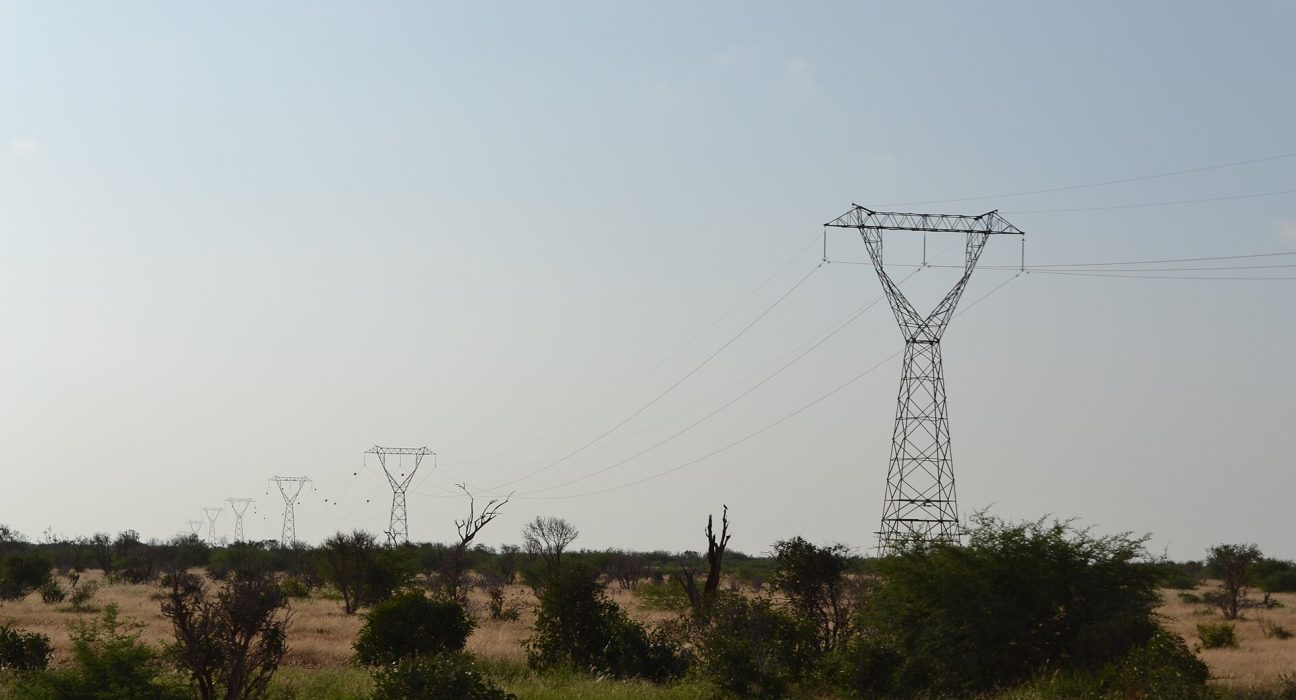
Kenya has spent only about a fifth of the money set aside for its main rural electrification programme, more than six years after it started, according to a Parliamentary Budget Office (PBO) brief now before the Senate.
The brief, on budget implementation in the energy sector for the 2025/26 financial year, shows cumulative spending on the KSh41.76bn Rural Electrification Scheme stood at KSh8.86bn as at March 31, 2026. That is roughly 21% of the programme’s total cost. The scheme began in January 2020 and is due to end in July 2028.
Spending would have to speed up roughly tenfold
The numbers leave KSh32.9bn still to be spent in about 28 months. Over the first 75 months, the scheme spent an average of about KSh118m a month. To finish on schedule, the Rural Electrification and Renewable Energy Corporation (REREC), which runs the programme, would need to spend close to KSh1.2bn a month, about ten times the pace so far.
The findings were tabled before the Senate Standing Committee on Energy, chaired by Elgeyo Marakwet Senator William Kisang, which has now agreed to carry out targeted oversight visits.
“We will identify between one and three counties with stalled REREC projects and undertake targeted oversight visits to establish the challenges delaying electricity connections,” Kisang said.
Kakamega Senator Boni Khalwale accused the corporation of holding launches with no follow-through. “REREC launches projects when the President visits, and then everything stalls. Poles stand for years without a single household being connected,” he said.
Tana River first, Homa Bay questions
Following a request by Tana River Senator Danson Mungatana, the committee will visit the county from November 5 to 8 to inspect last-mile connections. Mungatana has also raised frequent power cuts and the effect of water releases from dams upstream on the River Tana on communities downstream.
Nominated Senator Beatrice Ogolla raised commitments made during the President’s visit to Homa Bay on August 19. “REREC reached the first school only two days ago. The second stop is still pending and residents are still waiting,” she said. The committee has directed its secretariat to write to the REREC chief executive for an update.
Wider energy budget lags too
The PBO brief points to slow spending across the sector. As at March 31, the State Department for Energy had spent KSh42.98bn of its KSh63.47bn allocation, or 68%. The State Department for Petroleum had spent KSh6.08bn of KSh30.69bn, just 20%.
Counties are doing little in the sector. Only 12 counties had allocations that could be traced to specific energy programmes, totalling KSh791.9m, or 0.13% of all county budgets combined. Of that, KSh396.8m, half, had been spent.
Senators also questioned a drop in the combined energy and petroleum allocation to KSh56.2bn for 2026/27. The secretariat will ask for a list of programmes moved to the new National Infrastructure Fund, while the PBO is preparing a separate review of the Kenya Off-Grid Solar Access Project for the committee’s next sitting.
What it means for households
For families and small businesses in areas where poles are up but nothing is connected, the delays mean more years on paraffin, diesel generators or small solar kits. Those who can apply directly can follow our guide to Kenya Power new connection costs, documents and timelines, or check the Kenya Power help hub for tokens, outages and account issues.
Connected customers face their own cost pressure: EPRA’s monthly adjustments added about KSh4.10 a unit to October power bills.
Prefer WhatsApp? Follow Business Radar on WhatsApp
Weekly, free. We only use your email for this newsletter and you can unsubscribe in one click. Privacy policy.