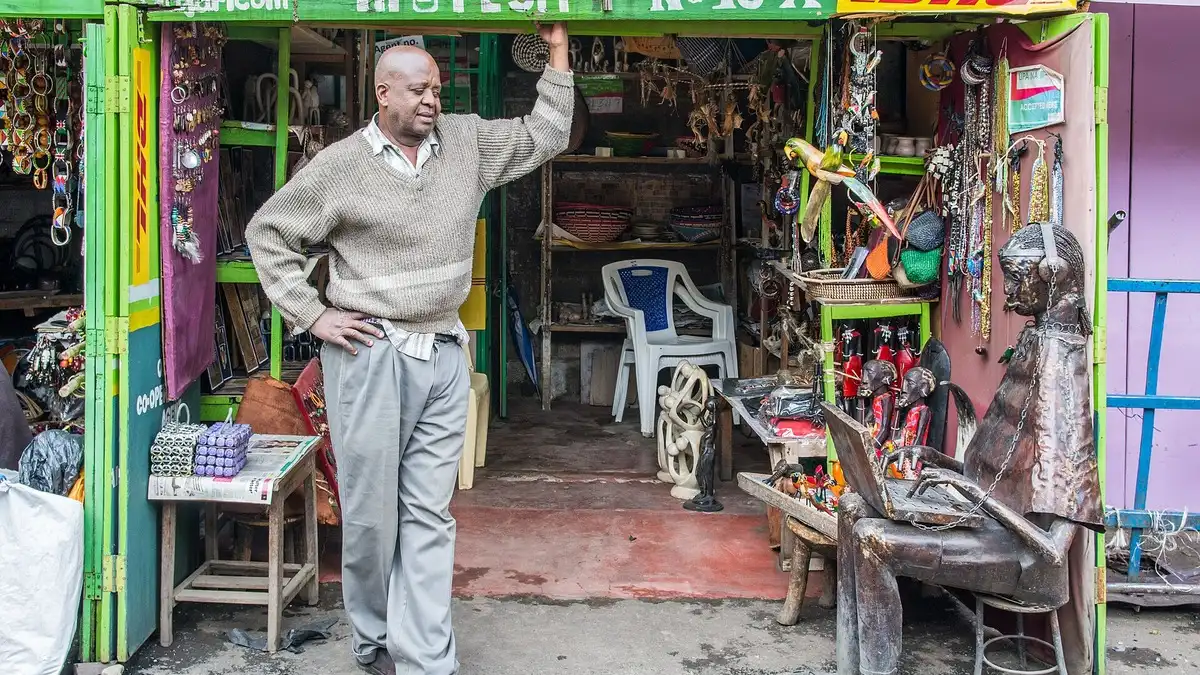


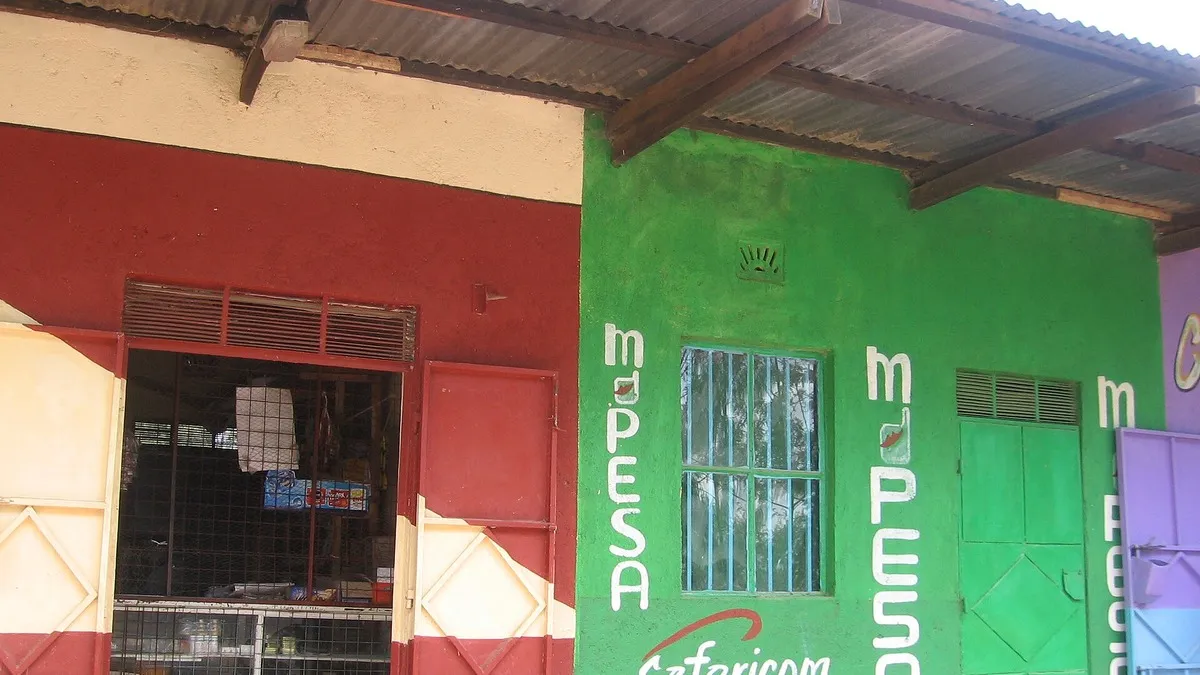
Safaricom has launched Fuliza Ya Pochi, an M-Pesa overdraft for small traders who take payments through Pochi La Biashara. Qualifying merchants can now complete a payment even when their Pochi wallet is short, and the overdraft is repaid automatically from the next customer payments that come in.
Group chief executive Peter Ndegwa unveiled the product in Thika. Safaricom says it is aimed at more than one million qualifying micro-businesses out of the more than two million traders who use Pochi.
What merchants can use it for
According to Safaricom, Fuliza Ya Pochi can cover:
- paying suppliers,
- Buy Goods (till) purchases,
- sending money, and
- paying utility bills.
Each merchant’s limit depends on their business activity on Pochi, so a trader who receives payments every day is likely to get a higher limit than one who uses it occasionally. “Thousands of micro-businesses face daily cash-flow gaps that can mean missed sales, delayed stock purchases, or postponed supplier payments,” Ndegwa said.
How it differs from Fuliza and Fuliza Biashara
| Product | Who it is for | Repaid from |
|---|---|---|
| Fuliza M-Pesa (2019) | Personal M-Pesa users | Money coming into your personal M-Pesa |
| Fuliza Biashara | Lipa na M-Pesa till holders | Till takings |
| Fuliza Ya Pochi (new) | Pochi La Biashara traders | Payments received in the Pochi wallet |
Safaricom has not yet published the daily fees for Fuliza Ya Pochi. Personal Fuliza charges a daily maintenance fee that depends on the amount outstanding, and it is reasonable to expect a similar structure, but traders should check the terms on the M-Pesa menu or app before opting in. Safaricom earned KSh6 billion from Fuliza in the year to March 2026, up 46%.
Who is likely to qualify
Safaricom has not published a full checklist. What it has said is that eligibility and limits are based on how a merchant uses Pochi, so the traders most likely to qualify first are those who have used Pochi for a while and receive customer payments regularly. Mama mbogas, boda boda riders, kiosk owners, salonists and market traders who already ask customers to pay through Pochi fit that profile. A merchant who only receives the occasional payment, or who mixes business and personal money on their personal M-Pesa line, is unlikely to see a meaningful limit.
If your Pochi is new, the practical step is to route all customer payments through it for a few weeks. That builds the transaction record Safaricom uses to set limits, and it also keeps business and personal money apart, which makes it easier to see whether the business is actually making a profit. Our Pochi La Biashara guide for small traders covers how the wallet works day to day.
Cheaper Pochi payments for three months
The launch comes alongside a temporary cut in Pochi charges. Safaricom has waived fees on customer payments of up to KSh200 and halved charges on larger payments, capped at KSh50, for three months.
Why it matters for small traders
Most informal businesses cannot get a bank overdraft because they have no audited accounts or collateral. Mobile credit based on transaction history fills that gap, but it is short-term money meant for stock and supplier gaps, not for rent or school fees. Used for a day or two to restock fast-moving goods, it can pay for itself; rolled over week after week, the fees eat into thin margins.
What to watch out for
Because repayment comes straight out of incoming payments, a trader who uses the overdraft in the morning may find part of the afternoon’s takings already gone. Plan for that before using it to buy stock. If you don’t yet have a Pochi account, see how to apply for Pochi La Biashara on *334#, and if you’d rather not use overdrafts at all, our guide on opting out of Fuliza explains how to switch it off.
Source: The Star, “Safaricom now extends Fuliza credit to Pochi La Biashara merchants”, October 23, 2026.
Prefer WhatsApp? Follow Business Radar on WhatsApp
Weekly, free. We only use your email for this newsletter and you can unsubscribe in one click. Privacy policy.