

Updated 24 October 2026
To open a retail pharmacy in Kenya you need premises registered by the Pharmacy and Poisons Board (PPB) and a licensed pharmacist or pharmaceutical technologist in charge. Everything is done online through the PPB licensing portal. The premises registration fee is KSh 10,000 and the superintendent’s annual practice licence is KSh 5,000, according to the PPB’s Guidelines for Registration and Licensing of Premises (revision 6, October 2025). This guide takes you through who can apply, what to prepare and how the approval works.
Who Can Own and Run a Pharmacy
The rules are strict on ownership and supervision:
- Ownership: under the Pharmacy and Poisons Act (Cap 244), everyone holding a financial interest in a pharmacy business must be a registered pharmacist or an enrolled pharmaceutical technologist. The guidelines state that ownership by non-pharmacy professionals is not allowed, with exemptions possible for pharmacies within hospitals or medical centres and those run by non-profit or faith-based organisations.
- Superintendent: every premises must be under a superintendent with a valid practice licence, who is responsible for compliance. A pharmaceutical technologist can only superintend after at least three years working under another qualified superintendent since enrolment.
- One premises each: a person can superintend only one registered premises at a time, and may not hold a full-time job elsewhere.
- Owner and superintendent are different people? They must sign a contract, including termination terms, and attach it to the application.
Requirements for the Premises
The premises must meet the PPB’s Good Distribution Practice guidelines. Key points from the registration guidelines:
- The Board considers the needs and population of the area, and expects a reasonable distance between registered pharmacies.
- The site must be away from sources of fumes, contaminants and open sewerage. Pharmacies near petrol stations must protect medicines from fuel fumes and address fire safety.
- A pharmacy in a mall or supermarket must be separated from the rest of the shop. One inside a hospital needs the hospital to hold a KMPDC licence.
- All business must happen inside the approved premises; no pop-up stalls or mobile units outside it.
- Apply before you fit and stock the shop, so you do not spend on premises that are then rejected.
Documents You Will Need
- Business registration: a BN3 business name certificate for a sole proprietorship or partnership, or a certificate of incorporation for a limited company. See our guide to reserving a business name on eCitizen.
- The current CR12 for a company, or a partnership deed for a partnership.
- The superintendent’s personal KRA PIN and the applicant’s national ID.
- The company’s KRA PIN certificate. Our guide on getting a KRA PIN for a company explains how.
- Any shareholder or partnership agreement, and the owner–superintendent contract if they are different people.
- A sketch plan of the premises with overall measurements, showing the dispensary, the bench area (sink, fridge and work areas) and direct public access.
The PPB is clear that the business name on the application must match the registration documents and that the business type you choose (sole proprietor, partnership or limited company) must match them too. A mismatch is a common reason for rejection.
The Application, Step by Step
- Apply online. Log in to the PPB portal and use the “New Facility” tab. Enter the details and attach the documents.
- Pre-registration review. The PPB reviews the application. If it passes, you get pre-registration approval.
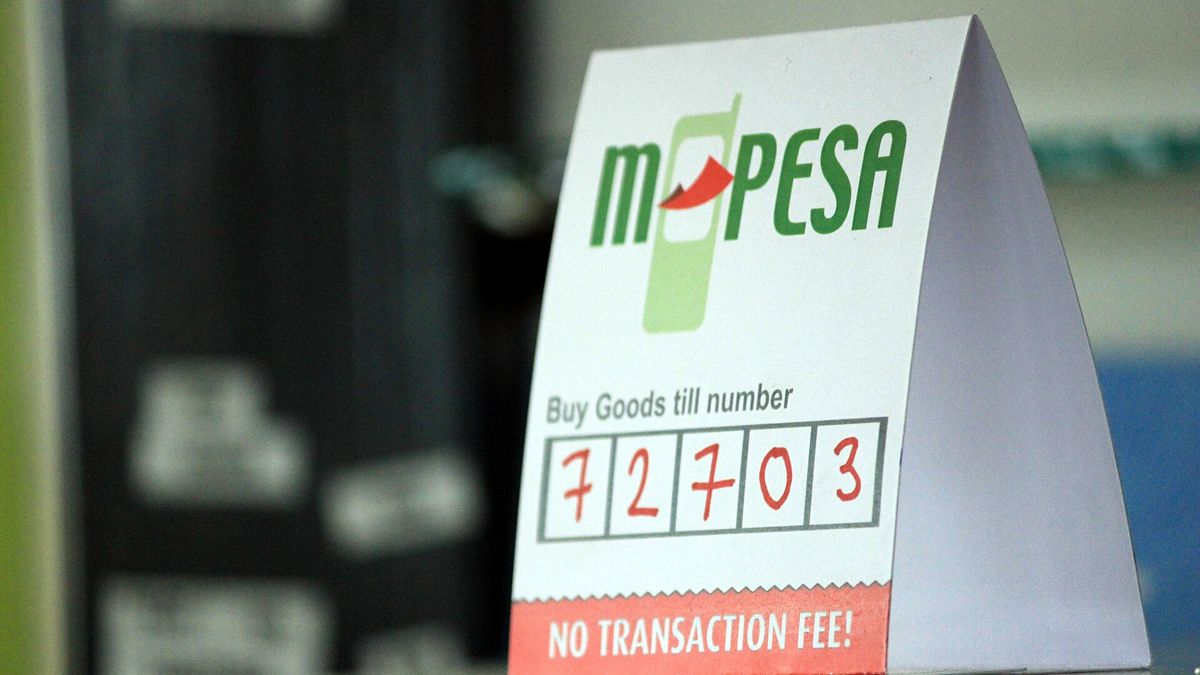
- Pay. Attach any further documents and pay the fees, preferably by mobile money. Only paid applications are reviewed, and processing time counts from payment.
- Inspection. After approval you get an SMS asking you to contact the nearest PPB regional office. The superintendent arranges the inspection, and the premises should be near completion by then. There is no fee for the inspection.
- Final approval. The inspector’s report and photos are reviewed. If satisfactory, you are notified by SMS and email and download the certificate from the portal.
If an application is rejected, the reason is given and you can respond. Applications left unanswered for a month are voided, and you must start again.
Fees
| Item | Fee |
|---|---|
| Premises registration (retail or hospital pharmacy) | KSh 10,000 |
| Annual practice licence (superintendent) | KSh 5,000 |
| Online pharmacy licence (optional) | KSh 15,000 |
| Wholesale dealer’s licence (wholesale only) | KSh 30,000 |
| Late renewal penalty | 10% of the standard fee |
County trade permits and other business costs are separate from these PPB fees.
After You Open
- Display your licences. The licence and the superintendent’s certificate must be displayed conspicuously. Each premises gets a health safety code beginning “P” (pharmacist) or “PT” (technologist) that the public can verify.
- Renew every year. All PPB licences expire on 31 December. Apply at least 30 days before; applications more than 30 days after expiry pay the 10% penalty. Renewal also depends on the superintendent meeting CPD requirements.
- Report changes. Tell the PPB at least 30 days before changing the name, owners, superintendent or location. A move or major renovation needs a new inspection before you trade.
- Online sales can only run from an existing licensed retail pharmacy, with the separate online licence.
Before You Start
If you are not yet a pharmacist or technologist, our guides to the cost of studying pharmacy in Kenya and pharmacy cut-off points are the place to start. If you plan to supply other pharmacies, the wholesale route has its own licence; our list of pharmaceutical importers and distributors shows who already operates in that market.
Prefer WhatsApp? Follow Business Radar on WhatsApp
Weekly, free. We only use your email for this newsletter and you can unsubscribe in one click. Privacy policy.