


Get breaking business news on WhatsApp
Co-operative Bank of Kenya has set aside an initial KSh 1.5 billion to help matatu Saccos buy electric matatu fleets, lending up to 90% of the cost of the vehicles over the next 12 months. The bank launched its E-Mobility Financing for PSV matatu Saccos on 12 November 2026, and said the first two electric vans financed under the model have already been handed to a Nairobi commuter Sacco.
“Today, Co-op Bank has launched its New E-Mobility Financing for PSV Matatu SACCOs, dedicating an initial Kes 1.5 Billion to be deployed over the next 12 months,” the bank said on its official X account.
On this page
How the electric matatu financing works
The loans go to Saccos, not to individual owners. “The bank will fund PSV SACCOs to buy vehicles as a fleet, financing up to 90% of the cost,” Co-op Bank said. A Sacco would therefore put up about 10% of the price of each electric matatu.
The bank described itself as “a leading financier of the sector” and said it is “extending its long-standing relationship with public transport SACCOs to electric mobility”. It invited “Matatu Saccos across Kenya” to approach its branches for information and support to access the facility.
Co-op Bank’s official posts did not give the interest rate, repayment period or security required, so Saccos will need to get those terms from the bank directly.
First electric vans go to Enabled Mashariki Sacco
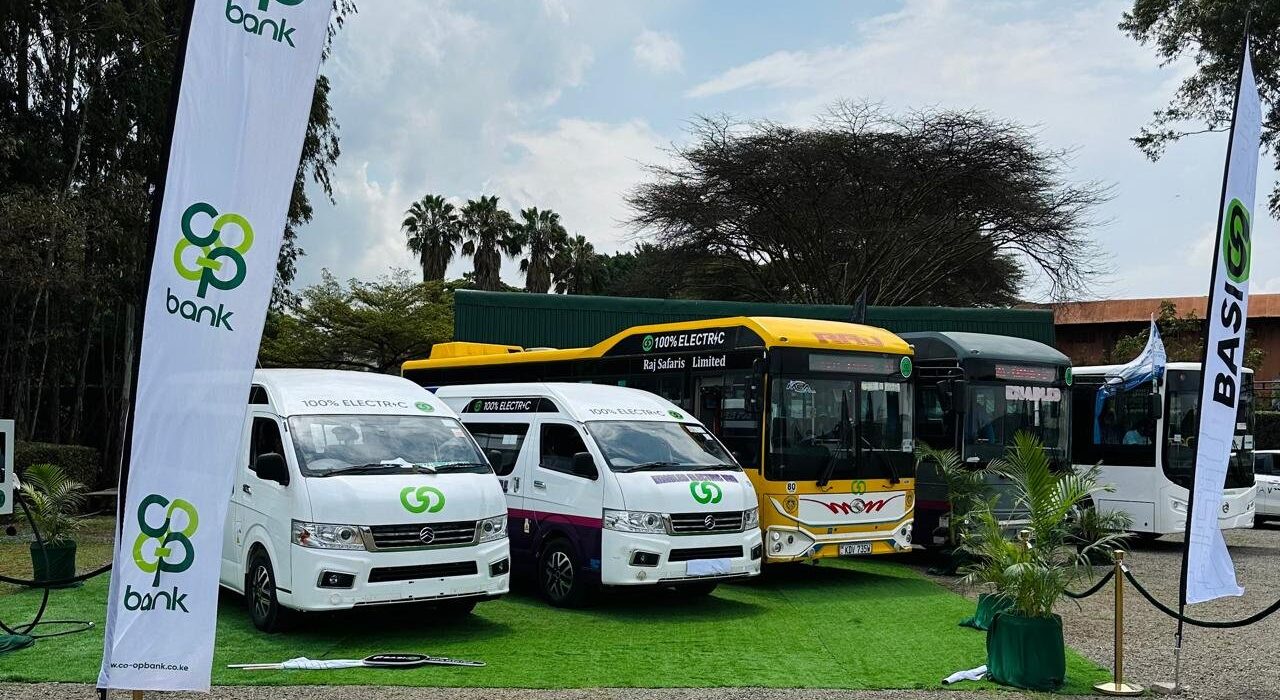
The first two vehicles under the model are fully electric 16-seater vans supplied by BasiGo, released to Enabled Mashariki PSV Sacco. According to Co-op Bank, the Sacco operates on the Nairobi–Juja, Nairobi–Thika and Nairobi–Kitengela routes.
The bank named the Sacco team receiving the vans as chairman Joseph Nguku, director Dr Joy Gaitho and David Gichamba. Running costs for electric vehicles are compared in our guide to electric cars in Kenya.
Who else is in the electric matatu value chain
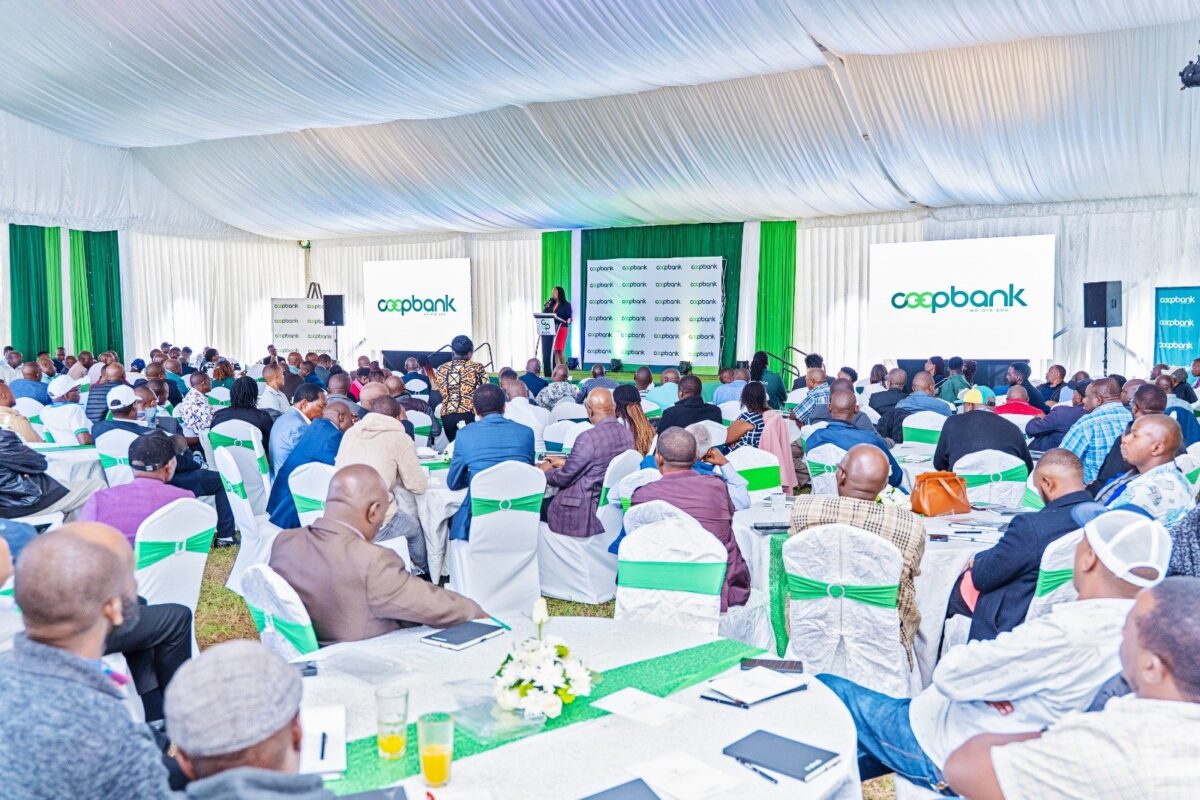
Co-op Bank said the launch brought together “the full E-mobility value chain”: more than 200 PSV Sacco officials, electric vehicle dealers, insurance companies and Kenya Power representatives. Charging is a running cost that Saccos will weigh; Kenya Power’s rates are set out in our report on the EV charging tariff in Kenya.
“The future of public transport is electric, and Co-op Bank is leading from the front,” the bank said, as it flagged off several electric vehicle models at the event.

What it means for matatu owners
Fuel is one of the biggest costs on a matatu route, which is why owners watch every EPRA review; see our report on matatu fares and fuel prices. Owners comparing diesel and electric matatu returns can use our matatu profit calculator with their own route figures.
The KSh 1.5 billion is described by the bank as an initial amount. Co-op Bank released its third-quarter results on 11 November, reporting group profit before tax of KSh 35.9 billion, as covered in our Co-op Bank Q3 profit report.
Frequently asked questions
How much has Co-op Bank set aside for electric matatus?
An initial KSh 1.5 billion, to be deployed over 12 months from the 12 November 2026 launch.
How much of an electric matatu will Co-op Bank finance?
Up to 90% of the cost, with the loan made to the PSV Sacco buying the vehicles as a fleet.
Can an individual matatu owner apply?
The facility is designed for PSV Saccos buying fleets. The bank invited matatu Saccos across Kenya to approach it for details.
Which Sacco got the first electric vans?
Enabled Mashariki PSV Sacco received two 16-seater electric vans supplied by BasiGo. It runs Nairobi–Juja, Nairobi–Thika and Nairobi–Kitengela routes.
Prefer WhatsApp? Follow Business Radar on WhatsApp
We will email you a weekly money and business brief. We store your email (and your name, if you give one) for that purpose, under the Kenya Data Protection Act, 2019. You can unsubscribe at any time. Privacy policy.

