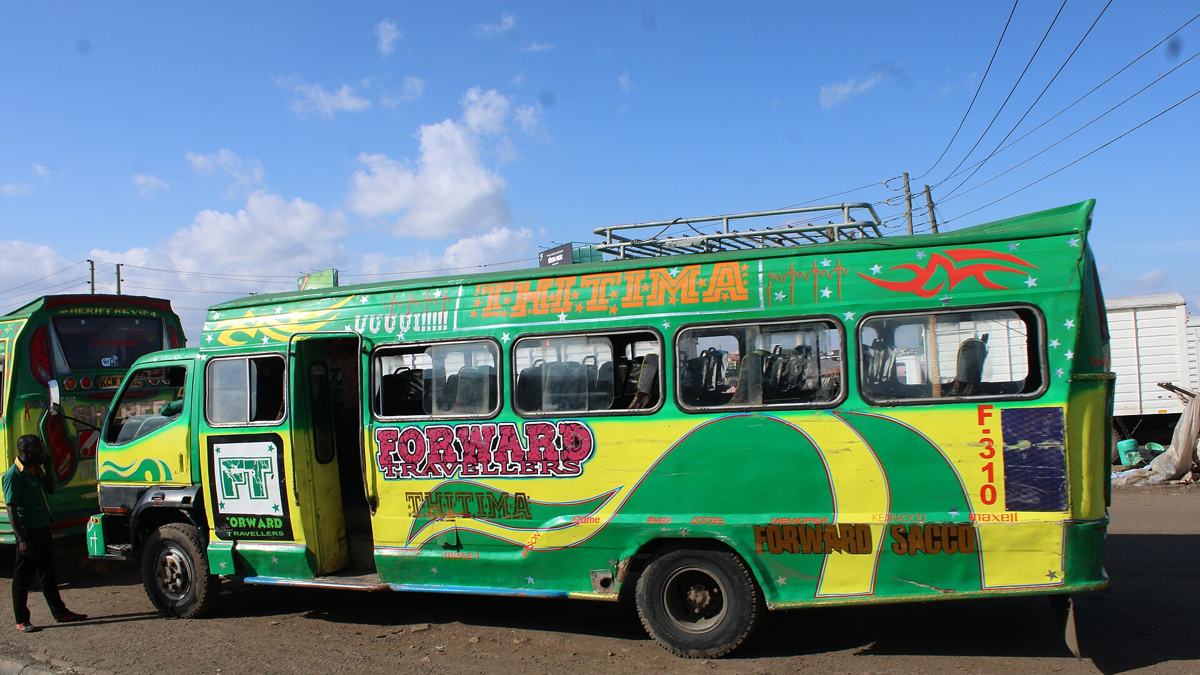
Public service vehicle owners say they will raise fares by about 10 per cent after the energy regulator lifted diesel and petrol prices for the October 15 to November 14 pricing cycle.
Matatu Owners Association president Albert Karakacha said operators can no longer absorb higher running costs. Citizen Digital and The Eastleigh Voice reported the association directing a 10 per cent fare increase. The Daily Nation quoted him saying fares would rise with “immediate effect” and that members would meet to agree a common position.
What EPRA changed
EPRA raised Super Petrol by Sh12.93 a litre to Sh226.96 in Nairobi, diesel by Sh9.90 to Sh227.76, and kerosene by Sh28.49 to Sh219.87. In Mombasa, Super Petrol is Sh223.81, diesel Sh224.61 and kerosene Sh216.71. The regulator blamed higher landed costs of imported fuel linked to the Middle East conflict.
Karakacha said President William Ruto had promised in May, at State House in Mombasa after transport protests, that diesel would be shielded. “In Mombasa with the President, he promised us that he would not increase diesel prices… Today, diesel is up by Sh9.90 per litre. That promise has been broken,” he told the Nation.
Those May talks followed a two-day strike on May 18 and 19 after diesel jumped 23.5 per cent to Sh242.92 a litre. Interior Cabinet Secretary Kipchumba Murkomen said four people were killed and more than 30 injured. On May 22 the President announced a further Sh10 cut per litre of diesel for the June-July cycle, and operators called off a planned return to the streets.
Costs beyond the pump
Karakacha said tyres that once cost about Sh25,000 now sell for Sh38,000 to Sh45,000, and comprehensive insurance has risen from about Sh180,000 to Sh250,000. He also said promised duty relief on electric vehicles, batteries and charging gear has not arrived.
“We are businessmen, we will pass it on to the consumer. We cannot be the ones cushioning the expenses while making losses,” he said. The association wants subsidies or a stabilisation fund and a review of petroleum taxes.
Higher fares hit workers who already spend a large share of pay on commuting. Job seekers comparing offers across Nairobi and satellite towns can weigh transport costs against advertised salaries on Job in Kenya before accepting a move.