


Updated 29 November 2026
The last KCSE paper was written on Friday 20 November. For the 1,048,355 candidates who sat the 2026 exam, the hardest part is over and the strangest part has begun: weeks of waiting with no timetable. Education Cabinet Secretary Julius Ogamba said at the close of the exam that marking would start promptly, with about 34,170 examiners in 41 centres, and that the government is targeting a release of results in January 2027. No date has been set.
That leaves several weeks, possibly two months. Most school leavers spend them sleeping in, which is fair for a week. But the students who walk into KUCCPS and HELB applications with their papers already in order are the ones who do this waiting period well. Almost everything in this guide can be done now, before a single grade is known.
In this guide
First: The Documents That Every Next Step Will Ask For
When results come, applications move fast. KUCCPS opens its portal, institutions send admission letters, and funding applications follow. Each of those asks for the same small set of documents. Sorting them out in December, before the January rush, is the single most useful thing a school leaver can do.
Your National ID
If you are 18 or older and do not yet have an ID, apply now. Many students registered at school, but plenty did not, and some turned 18 during the exam. According to the National Registration Bureau, a first-time applicant needs:
- the original birth certificate and a copy;
- a copy of either parent’s ID card;
- an academic certificate, so your name is captured exactly as it appears on your school records.
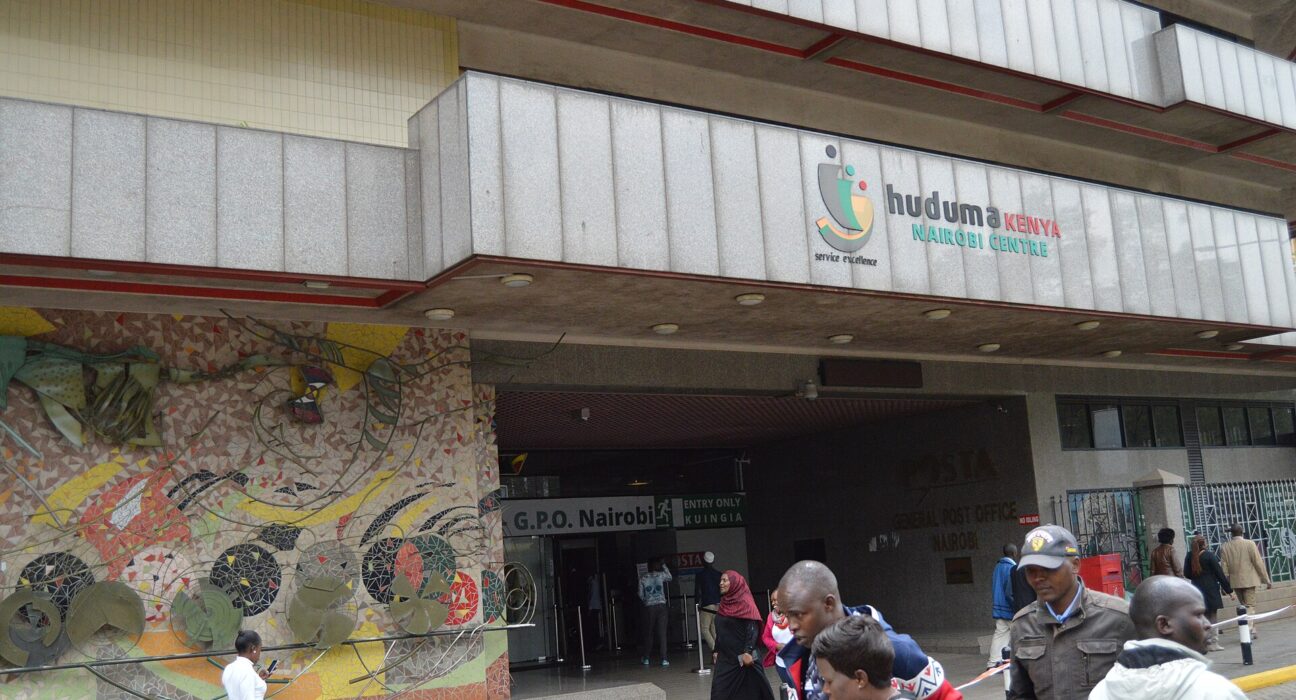
You must apply in person at a registration office or Huduma Centre; nobody can apply on your behalf. The Bureau’s page lists first-time registration as free of charge, though its Maisha Card section mentions a KSh 300 fee for a first-time card, so ask at the counter before you queue. Since you will not have a KCSE certificate until much later, take your KCPE certificate or a school leaving document. The ID number matters because it is what KRA, banks, M-Pesa and the funding portal will tie your records to.
Your KRA PIN
Once you have an ID number, register for a personal KRA PIN. It is free and takes a few minutes on the iTax portal. The Kenya Revenue Authority’s step-by-step guide for individuals walks through it: choose “Individual” as the taxpayer type, use the online form, fill in your basic details, obligations and source of income, then submit and keep the acknowledgement. Most formal employers ask for a PIN before paying wages, even for holiday work, and so do many internship and attachment programmes. Getting it now means one fewer form to chase later. Write the PIN and your iTax password somewhere safe, not just in your phone’s notes.
An M-Pesa Line and Email Address in Your Own Name
This is the step people forget. The Higher Education Financing portal, which handles HELB loans and government scholarships, asks for a valid bank account or M-Pesa number registered under the applicant’s own name and ID number. A line registered to a parent will not do. Once your ID is out, register a SIM in your own name, and set up an email address you will actually check for the next four years. Admission letters, portal codes and funding notices all go there.
Second: Get the Funding File Ready
You cannot apply for a HELB loan or scholarship yet. The portal says an official admission letter from the university or TVET institution where you were placed is required before you apply, and that only comes after results and placement. What you can do is assemble everything else. The official list for first-time undergraduate and TVET applicants includes your KCPE and KCSE index numbers, a passport-size photo, a PDF copy of both sides of your ID, your parents’ ID numbers and phone numbers, two guarantors’ ID numbers and phone numbers (parents can be guarantors), and, if it applies, a parent’s death certificate or a sponsorship letter from secondary school.
Scan those now into one folder. Our guide to the requirements for a HELB loan application explains each item and the portal steps in detail.
Third: Do the Course Research Before the Pressure Hits
The KUCCPS application window opens after results and runs to a deadline. Students who only start thinking about courses once it opens often end up picking whatever a friend picked. Use December instead.
- Learn how your grades turn into points. Our explainer on the KCSE grading system covers mean grades and points, and the guide to how KUCCPS cluster points are calculated shows why two students with the same mean grade can qualify for different degrees.
- Look at last year’s competition. The KUCCPS cut-off points show how hard each programme was to get into in the last cycle. They change every year, but they are the best guide you have.
- Write three lists. A dream list, a realistic list and a safe list, including at least one diploma or TVET option in a field you actually like. When results come, you will only need to check which list you are working from.
When the portal opens, our step-by-step guide on how to apply on KUCCPS and choose courses covers the log-in, the qualify check and the mistakes that leave students unplaced.
Fourth: Pick One Short Skill, Not Five
The weeks before results are a good time to learn something practical, as long as it is short, cheap and does not lock you into a long course before you know your grades. Sensible options include a computer packages course at a local college, a typing or spreadsheet course you can finish in a few weeks, or a trade skill that leads to a National Industrial Training Authority trade test, which NITA uses to certify artisans. Before paying, ask whether the college is registered and what certificate you will get at the end.
Holiday work is fine too, but be careful. A real employer does not ask a school leaver to pay a “registration fee” or buy a uniform before starting. If a job advert asks for money upfront, walk away.
Things to Avoid While You Wait
- Paying for “leaked” or “early” results. Results come only through KNEC channels once the Ministry announces the release. Nobody can sell them to you in advance.
- Losing your index number. You will need it for results, KUCCPS and funding. Write it down in two places.
- Committing fees to a private college before you see your grades and your KUCCPS options. A government-sponsored place may be cheaper.
- Guessing your grade on social media. It helps nobody, and it makes January harder if the result surprises you.
If a younger brother or sister is about to start Form 4, pass on what you learned. The KCSE overview on CBC Guides keeps the exam structure, grading and subject practice papers in one place, which is a good starting point for their revision year.
Frequently Asked Questions
When will KCSE 2026 results be released?
The Education Cabinet Secretary said the government is targeting January 2027. No exact date has been announced. Wait for the official notice from the Ministry of Education or KNEC.
Can I apply for HELB before KCSE results?
No. You need an admission letter from the institution where you were placed before you can apply. You can, however, prepare every other document now.
Do I need a KRA PIN to apply to university?
The official HELB and scholarship document list does not include a KRA PIN, but employers and many attachment programmes ask for one. Since it is free and quick once you have an ID, it is worth getting now.
What do I need to apply for my first ID?
Your original birth certificate and a copy, a copy of a parent’s ID, and an academic certificate. You must apply in person at a registration office or Huduma Centre.
Prefer WhatsApp? Follow Business Radar on WhatsApp
We will email you a weekly money and business brief. We store your email (and your name, if you give one) for that purpose, under the Kenya Data Protection Act, 2019. You can unsubscribe at any time. Privacy policy.

