


Get breaking business news on WhatsApp
The National Treasury has published draft regulations to set up the Export and Investment Promotion Levy Fund, which will hold the money KRA collects from a levy on imported goods, and has invited the public to comment by 5pm on 15 December 2026. The export levy fund rules set out how the money will be split, who will manage it and which agencies can apply for it.
The public notice, signed by Cabinet Secretary John Mbadi, was posted on the Treasury website on 19 November. A public consultation meeting will be held at the Kenyatta International Convention Centre (KICC) on 8 December at 10am.
On this page
What the export and investment promotion levy is
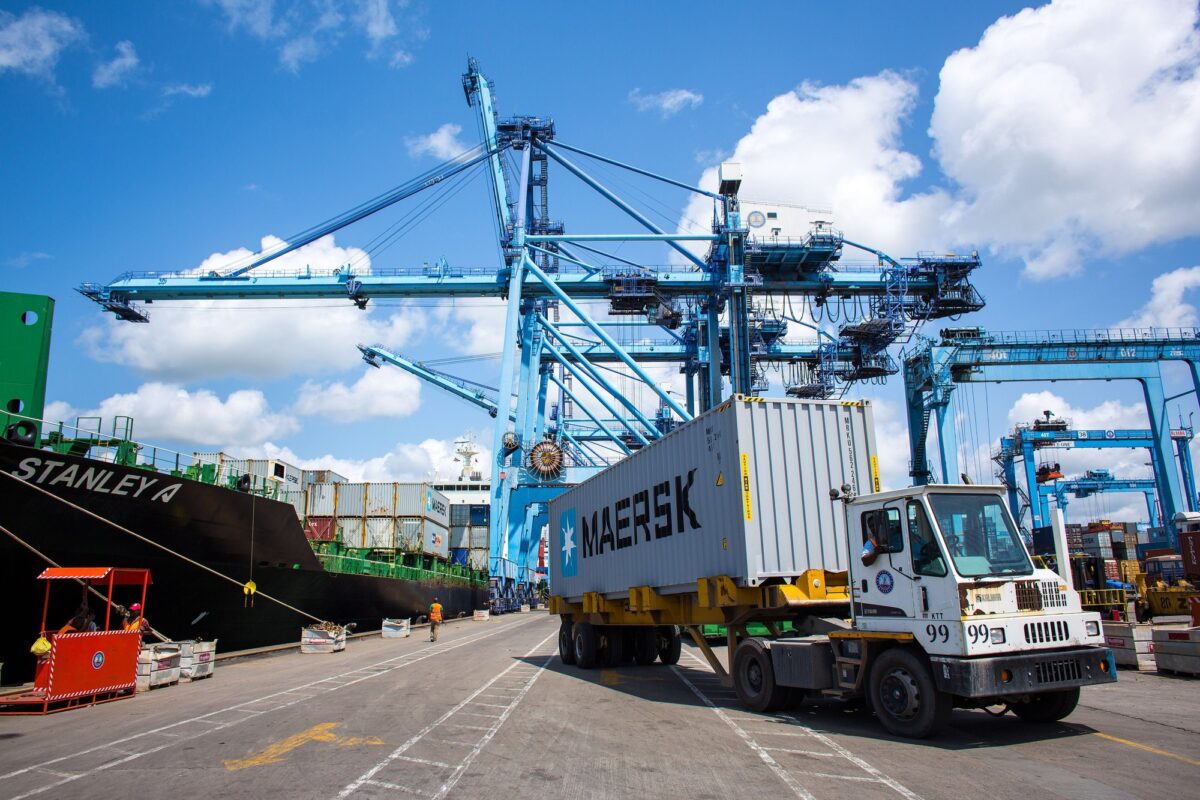
Despite its name, the levy is charged on imports, not exports. The Treasury says it is a tax on imported goods entering Kenya for home use, introduced under Section 7A of the Miscellaneous Fees and Levies Act through the Finance Act, 2023. Its aim is to protect local manufacturers from cheap imports and to fund export and investment programmes.
According to the Treasury’s explanatory memorandum:
- The levy is charged as a percentage of the customs value of the goods.
- It is applied at three rates, 17.5%, 10% and 3%, depending on the product.
- Goods from East African Community partner states that meet EAC rules of origin are exempt.
- KRA collects it at the port of entry when goods are cleared for home use.
- The Finance Act, 2026 cut the rate on some iron and steel products, such as semi-finished iron and bars and rods, for example from 17.5% to 5%, to ease costs for construction and manufacturing.
How the export levy fund money will be shared
The draft regulations say the money in the fund will be divided as follows:
| Use | Share of the fund |
|---|---|
| Promoting manufacturing | 37% |
| Promoting investment | 30% |
| Increasing exports, saving foreign exchange and creating jobs | 30% |
| Administration of the fund | 3% |
Besides the levy, the fund can receive grants and donations, income earned on its own money, and amounts appropriated by the National Assembly. The draft says the fund’s money cannot be pledged, securitised or used as collateral for government borrowing.
Who will run the fund
A steering committee will oversee the export levy fund. It will have a chairperson appointed by the Treasury CS, the principal secretaries for the Treasury, investment promotion, industrialisation and export promotion, the heads of the investment and export promotion agencies, and three private-sector members nominated by the trade CS. Members serve three-year terms, renewable once.
Day-to-day management will sit with a chief executive, who will be the fund administrator, recruited competitively for a three-year term renewable once. Members of Parliament, county assembly members and political party officials cannot hold the job.
Who can apply for money
Only government implementing agencies set up by law can apply. Applicants must have an annual work plan in line with the fund’s strategy. For infrastructure projects they need approved designs, plans and bills of quantities.
The administrator will announce funding priorities by 30 August each year, and agencies must apply at least three months before the budget cycle starts. Agencies that get money must report every quarter and return any unspent funds. Anyone who misuses the money commits an offence under the Public Finance Management Act.
What it means for importers, manufacturers and exporters
For importers, the draft rules do not change the levy rates. They set out where the money goes. For manufacturers and exporters, the rules matter because they decide how the levy is turned into programmes, and they give a fixed 37% share to manufacturing.
Private firms cannot apply directly under the draft. They would benefit through programmes run by government agencies. Business groups that want direct access, or more private-sector seats on the committee, have until 15 December to say so.
Comments can be emailed to ps@treasury.go.ke, copied to jona.wala@treasury.go.ke, or delivered to the Principal Secretary at the Treasury Building in Nairobi, using the template on the Treasury website. For context on public finances, see our report on Kenya’s public debt.
Frequently asked questions
What is the Export and Investment Promotion Levy Fund?
It is a fund proposed by the National Treasury to hold money from the Export and Investment Promotion Levy, a tax on imported goods, and use it to boost manufacturing, investment, exports and jobs.
How will the export levy fund money be split?
The draft rules give 37% to manufacturing, 30% to investment, 30% to exports, foreign exchange savings and jobs, and 3% to administration.
What is the deadline for comments?
Comments must reach the National Treasury by 5pm on 15 December 2026.
When is the public consultation meeting?
The meeting for the general public is on 8 December 2026 at 10am at KICC, Nairobi.
What are the export and investment promotion levy rates?
The Treasury says the levy is charged at 17.5%, 10% or 3% of customs value depending on the goods, with EAC-origin goods exempt.
Prefer WhatsApp? Follow Business Radar on WhatsApp
We will email you a weekly money and business brief. We store your email (and your name, if you give one) for that purpose, under the Kenya Data Protection Act, 2019. You can unsubscribe at any time. Privacy policy.

