


Get breaking business news on WhatsApp
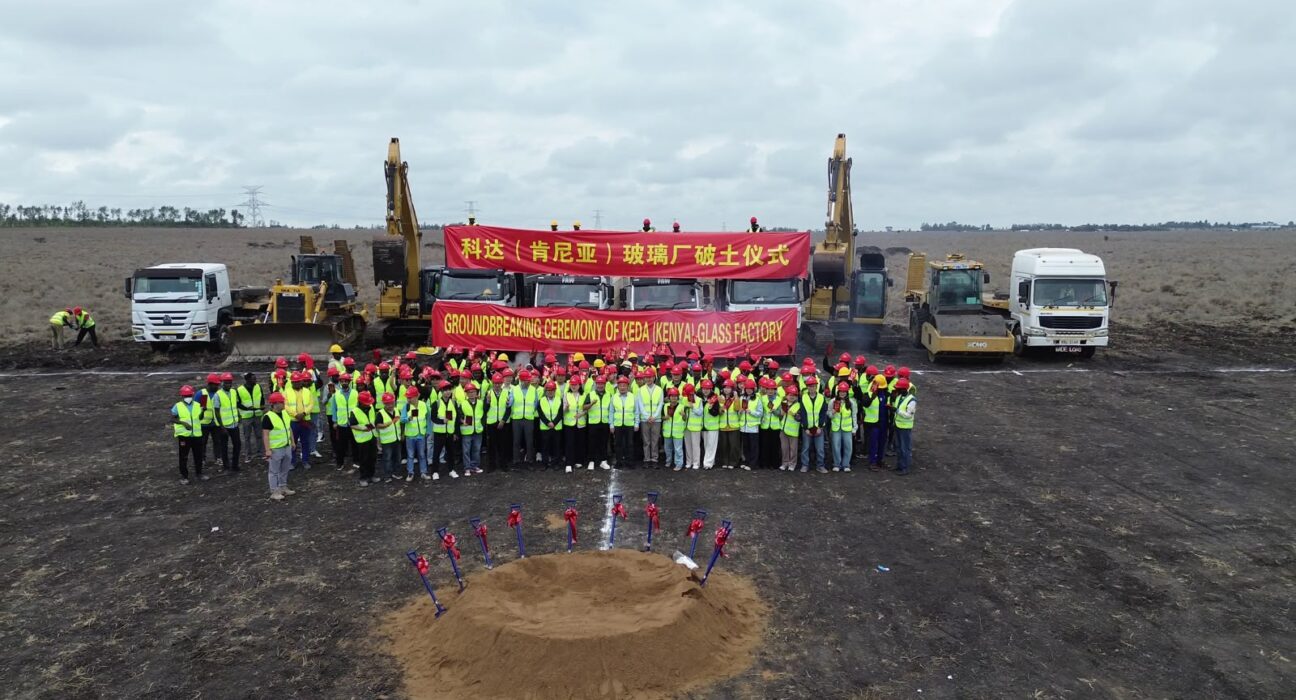
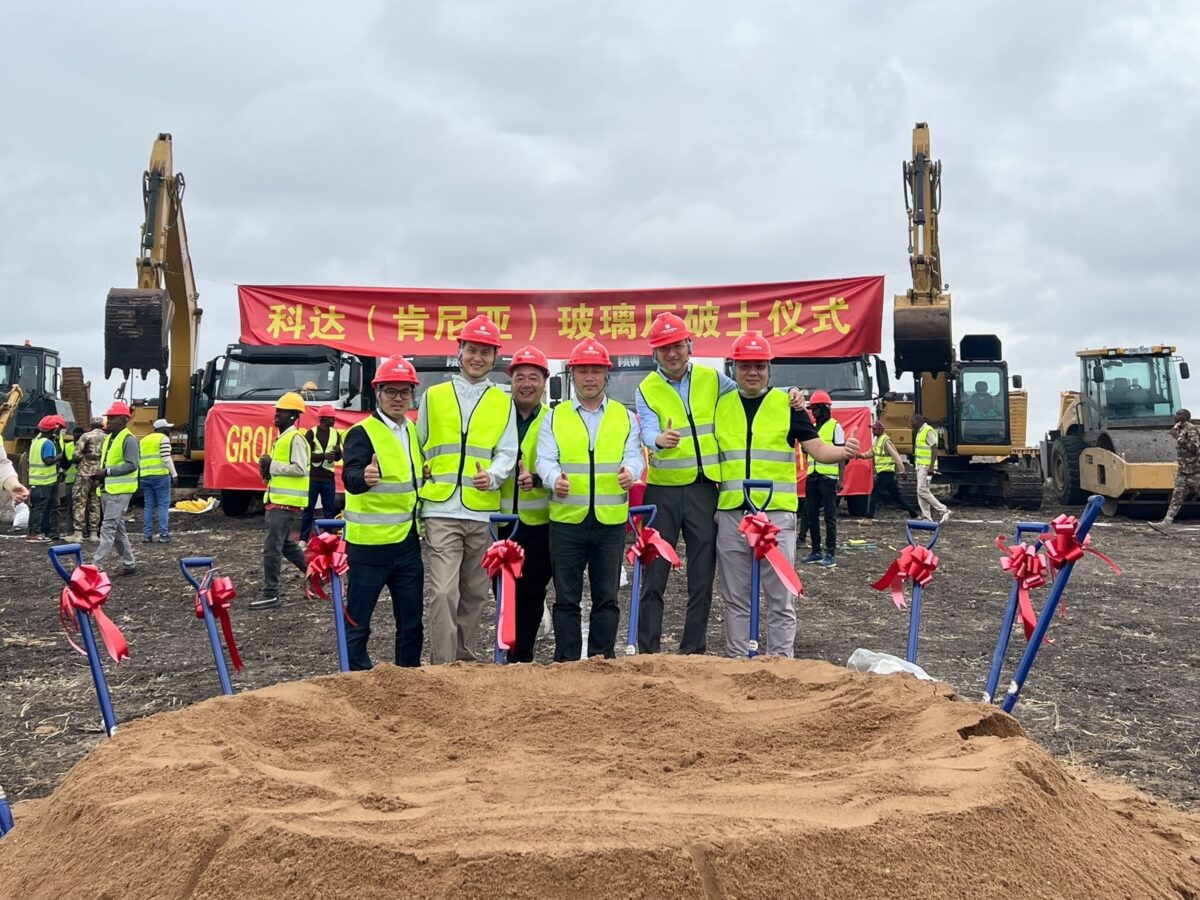
Keda Ceramics Company Limited, known as KEDA Kenya, has broken ground on a US$112.7 million (about KSh 14.6 billion) float glass plant in Kenya, the Kenya Association of Manufacturers (KAM) said on 12 November 2026. The float glass plant is planned to produce 600 tonnes of glass a day.
“With a planned production capacity of 600 tonnes per day, the facility marks a significant milestone for Kenya’s building materials industry,” KAM said in a post congratulating the company on the groundbreaking.
On this page
What the float glass plant will make
KEDA Kenya is part of China’s KEDA Industrial Group, which trades in Africa under the Twyford International brand. The group first announced the investment on 28 October 2026, when it said it would build a float glass production facility in Kenya with a daily capacity of 600 tons.
According to KEDA Industrial Group, the project will mainly produce glass between 3 and 12 millimetres thick, and construction is expected to take about 19 to 20 months. Twyford International has said the line will make clear and tinted float glass for Kenya and neighbouring markets. Float glass is the flat sheet glass used for windows, doors, shopfronts and building facades.
Why manufacturers say it matters
KAM, the main lobby for Kenyan factories, said investments such as this show “the role of manufacturing in strengthening local production, deepening value addition, reducing reliance on imports and creating employment opportunities.” It described industrialisation as “a key driver of Kenya’s prosperity.”
Twyford International has said the project is expected to create nearly 1,000 direct jobs and 4,000 indirect jobs and to cut Kenya’s dependence on imported glass. Neither the company nor KAM has said where in Kenya the plant is being built.
Building material costs are a recurring issue for developers. Recent tax changes on tiles and sanitary ware are covered in our report on the tax law on tiles, sinks and fuel VAT, and the World Bank’s latest view on foreign investment in Kenya sets the wider picture.
KEDA's wider business in Africa
KEDA Industrial Group said it runs 21 building ceramic lines, three sanitaryware lines and three glass lines across nine countries in Africa and South America under the Twyford International brand. Together they have annual capacity of about 200 million square metres of ceramics, 600,000 tons of glass and more than 3 million pieces of sanitaryware.
The group’s third-quarter report showed revenue of RMB 5.434 billion for the quarter, up 23.03% year on year, and net profit attributable to shareholders of RMB 627 million, up 55.06%. Its building materials segment grew on the back of higher product prices and new production capacity coming on stream, the group said.
Other big factory investments in Kenya
The glass project joins other recent building materials investments, including the Devki cement plant in Kieni, Nyeri. Factory and construction openings are listed on JobInKenya.
Frequently asked questions
How much is the KEDA float glass plant worth?
US$112.7 million, or about KSh 14.6 billion at the CBK exchange rate of 12 November 2026, according to KAM.
How much glass will the plant produce?
It is planned to produce 600 tonnes a day, mainly glass 3 to 12 millimetres thick.
Who owns KEDA Kenya?
KEDA Kenya (Keda Ceramics Company Limited) is part of China’s KEDA Industrial Group, which operates in Africa under the Twyford International brand.
How long will construction take?
KEDA Industrial Group says construction is expected to take about 19 to 20 months.
Prefer WhatsApp? Follow Business Radar on WhatsApp
We will email you a weekly money and business brief. We store your email (and your name, if you give one) for that purpose, under the Kenya Data Protection Act, 2019. You can unsubscribe at any time. Privacy policy.

