


Get breaking business news on WhatsApp
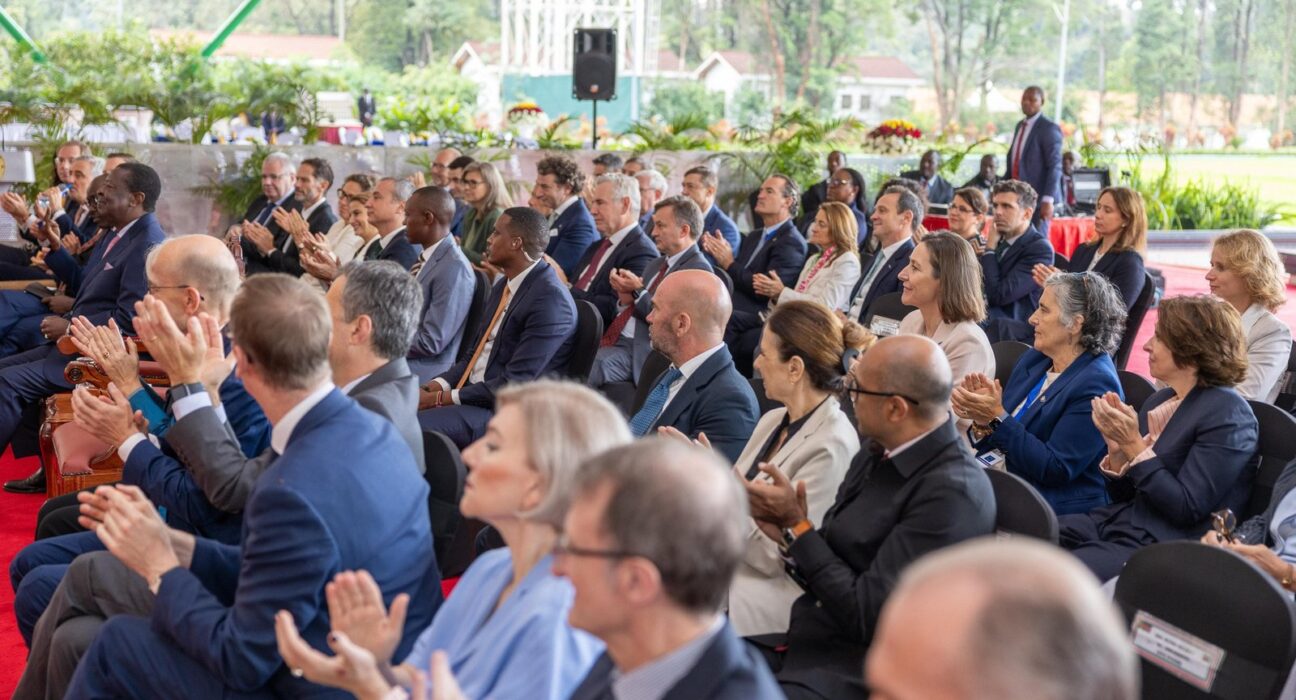
Kenya EU trade is set to get more attention after President William Ruto said on 12 November 2026 that the European Union buys 21% of Kenya’s global exports, making it the country’s largest export market. He spoke after hosting the heads of EU delegations to African countries at State House, Nairobi, as Kenya marks 50 years of diplomatic relations with the bloc.
“We are committed to translating the Economic Partnership Agreement into greater trade and investment opportunities, while addressing barriers facing our exporters, particularly smallholder producers,” President Ruto said on his official X account.
On this page
What was agreed on Kenya EU trade and ties
President Ruto said Kenya and the EU “have agreed to elevate our relations into a comprehensive strategic partnership anchored in multilateralism, international law, democratic governance and sustainable development.”
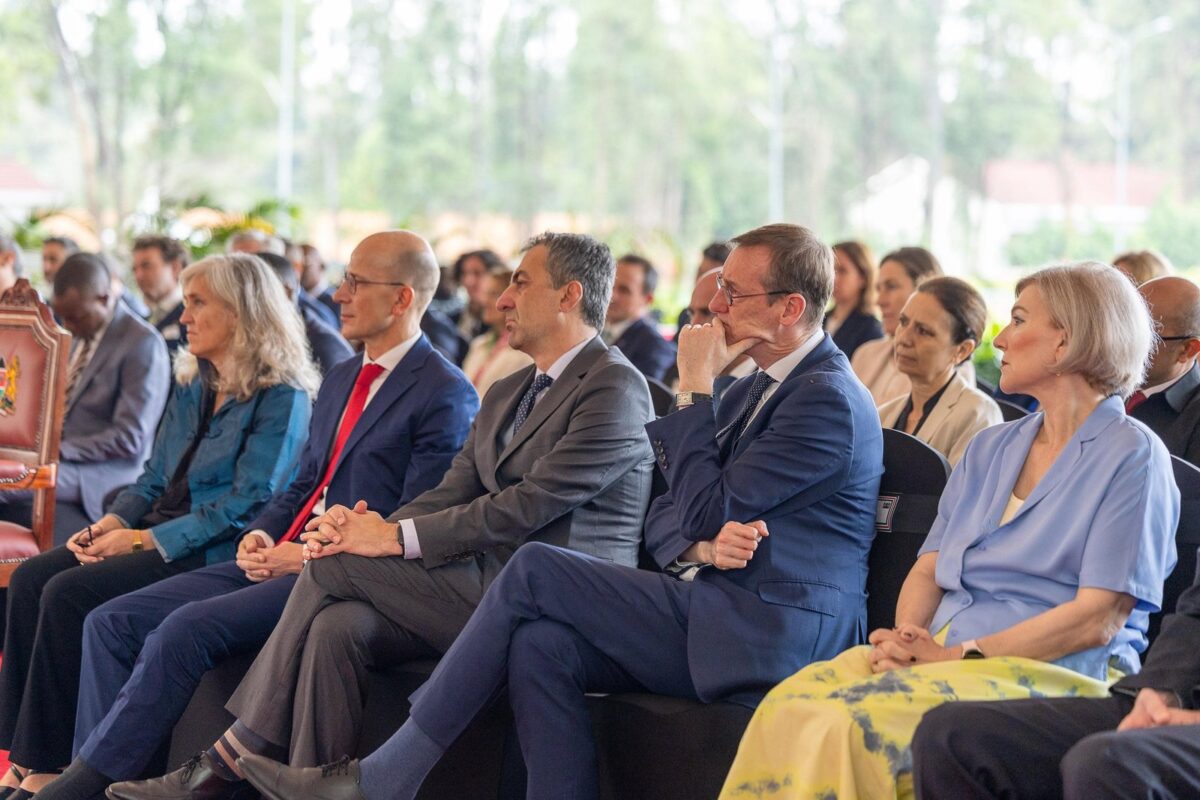
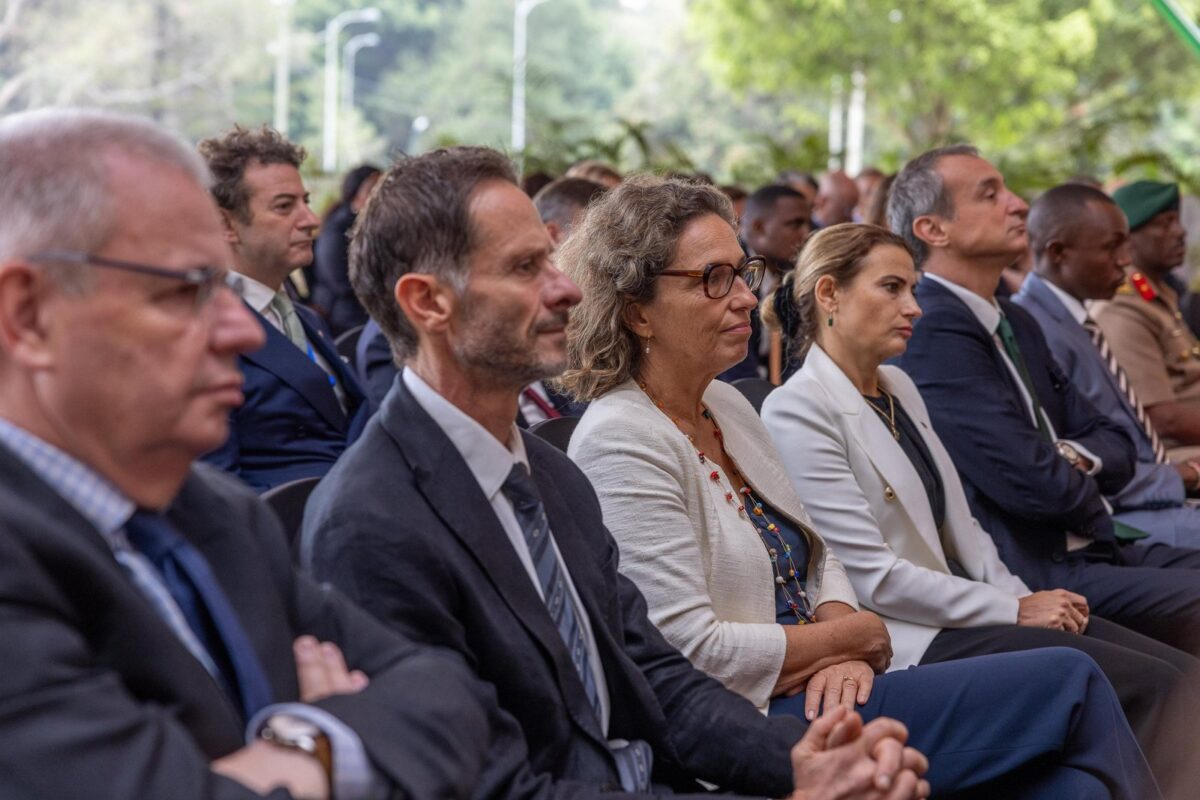
The EU Delegation to Kenya said more than 40 EU ambassadors from across Africa had gathered in Nairobi, calling it “a symbol of Kenya’s growing importance as a regional hub for the EU.” It added: “We are committed to delivering jobs, investment and opportunities for Kenyans.”
For Kenya EU trade, neither side has published the text of the new partnership, new trade figures or a list of the barriers it plans to remove.
Why the Economic Partnership Agreement matters to exporters
The Economic Partnership Agreement (EPA) is the trade deal that governs Kenya EU trade in goods. The President’s focus on smallholder producers matters because farm produce sold into Europe must meet EU rules on quality, pesticide residues and traceability, which are harder for small growers to meet than for large estates.
In Kenya EU trade, exporters who cannot meet those standards lose access even when tariffs are low, which is why barriers such as testing, certification and cold-chain costs weigh most heavily on small growers. Our report on the EU-backed Naivasha cold-chain hub shows one way that gap is being addressed, and our guide to exporting avocados from Kenya covers the paperwork growers face.
Security funding and what to watch next
President Ruto also thanked the EU for its support to African Union-led missions, including in Somalia, and for a €20 million (KSh 3 billion, about USD 23 million) contribution to strengthening the Kenya Defence Forces.
For businesses, the next signs to watch are any joint statement setting out the partnership’s trade and investment priorities and any changes to standards support for smallholders. Kenya is also working to grow sales in the region; see our reports on Kenya’s exports to Uganda and on the lifting of Sudan’s tea ban.
Frequently asked questions
How big is the EU as a market for Kenya?
President Ruto said the EU accounts for 21% of Kenya’s global exports, making it Kenya’s largest export market.
What did Kenya and the EU agree on 12 November 2026?
They agreed to elevate relations into a comprehensive strategic partnership anchored in multilateralism, international law, democratic governance and sustainable development.
What is the Kenya-EU Economic Partnership Agreement?
It is the trade agreement that governs Kenya EU trade in goods. President Ruto said Kenya wants to turn it into more trade and investment and tackle barriers facing smallholder exporters.
How much did the EU give the Kenya Defence Forces?
President Ruto said the EU contributed €20 million (KSh 3 billion) towards strengthening the Kenya Defence Forces.
Prefer WhatsApp? Follow Business Radar on WhatsApp
We will email you a weekly money and business brief. We store your email (and your name, if you give one) for that purpose, under the Kenya Data Protection Act, 2019. You can unsubscribe at any time. Privacy policy.

