Updated 25 October 2026
Quick answer: plan on about two months from paying for a car in Japan to driving it in Kenya. The sea voyage itself takes roughly three to five weeks by roll-on roll-off ship, according to BE FORWARD’s published guidance for African ports. Add time before sailing for payment, inland transport and inspection in Japan, and time after arrival for clearing and NTSA registration. Use our car import duty calculator to have the tax money ready before the ship docks.
The Timeline at a Glance
| Stage | Typical time | What drives it |
|---|---|---|
| Payment confirmed by exporter | A few days to a week | International bank transfer times |
| Inland transport and pre-shipment inspection in Japan | About one to two weeks | Inspection booking and the exporter’s cut-off date |
| Sea voyage, Japan to Mombasa | About three to five weeks | Vessel, Japanese port, other port calls |
| Discharge and clearing at Mombasa | Often within the 5 free storage days if documents are ready | Documents, tax payment, verification |
| NTSA registration and plates | Days to a couple of weeks | eCitizen processing and plate production |
These are planning figures, not guarantees. Your exporter’s shipping schedule and your clearing agent’s updates are the real source for your car.
Before the Ship Leaves Japan
Exporters work to a cut-off date for each sailing, which is usually the date your payment must be confirmed. BE FORWARD’s published Africa schedule, for example, lists a payment due date about one week before each vessel’s departure, and earlier when the car still needs inspection. If you miss the cut-off, the car waits for the next sailing.
Every used car for Kenya must also pass a roadworthiness inspection by KEBS’s appointed inspection body before loading. The exporter books it, but you should ask for the certificate number. A failed inspection, or a car found to be too old under the 8-year rule, stops the shipment.
At Sea: How Long Is the Voyage?
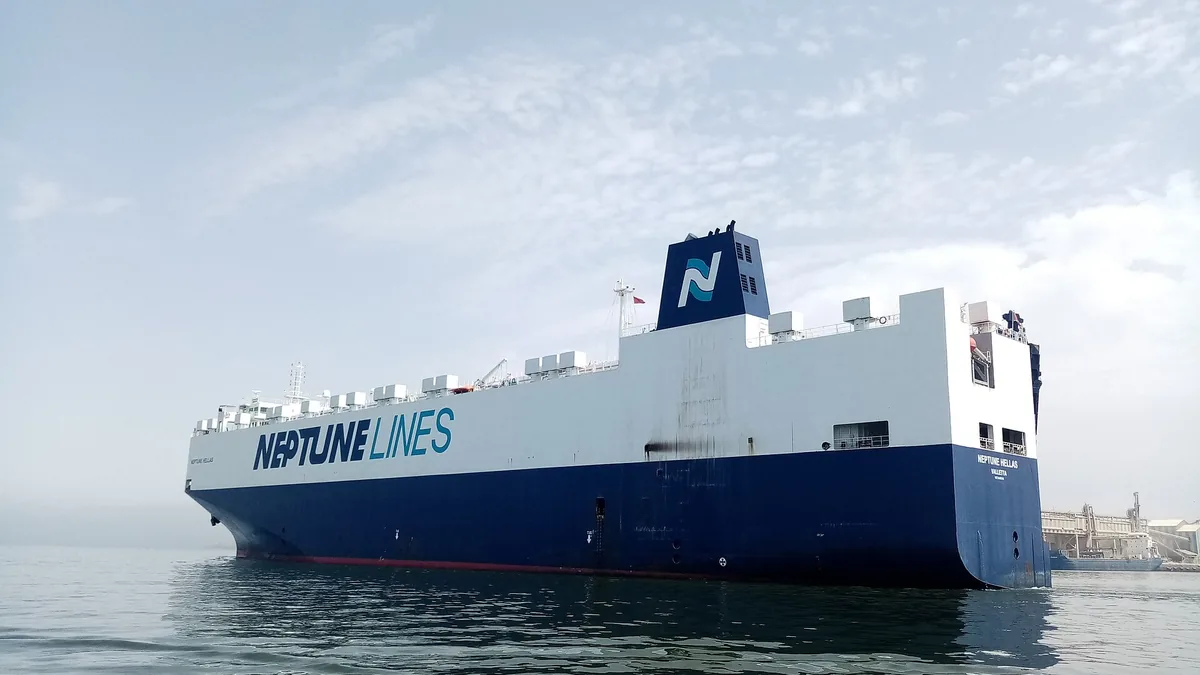
Most cars travel on roll-on roll-off (RoRo) car carriers run by lines such as NYK, MOL, K-Line, Höegh and Grimaldi. BE FORWARD tells buyers to expect approximately three to five weeks from the Japanese port to an African port. Its Africa schedule updated on 22 October 2026 shows, for example, vessels leaving Japan between 20 and 27 October with Mombasa arrivals from 12 to 13 November, and later sailings arriving in late November and early December.
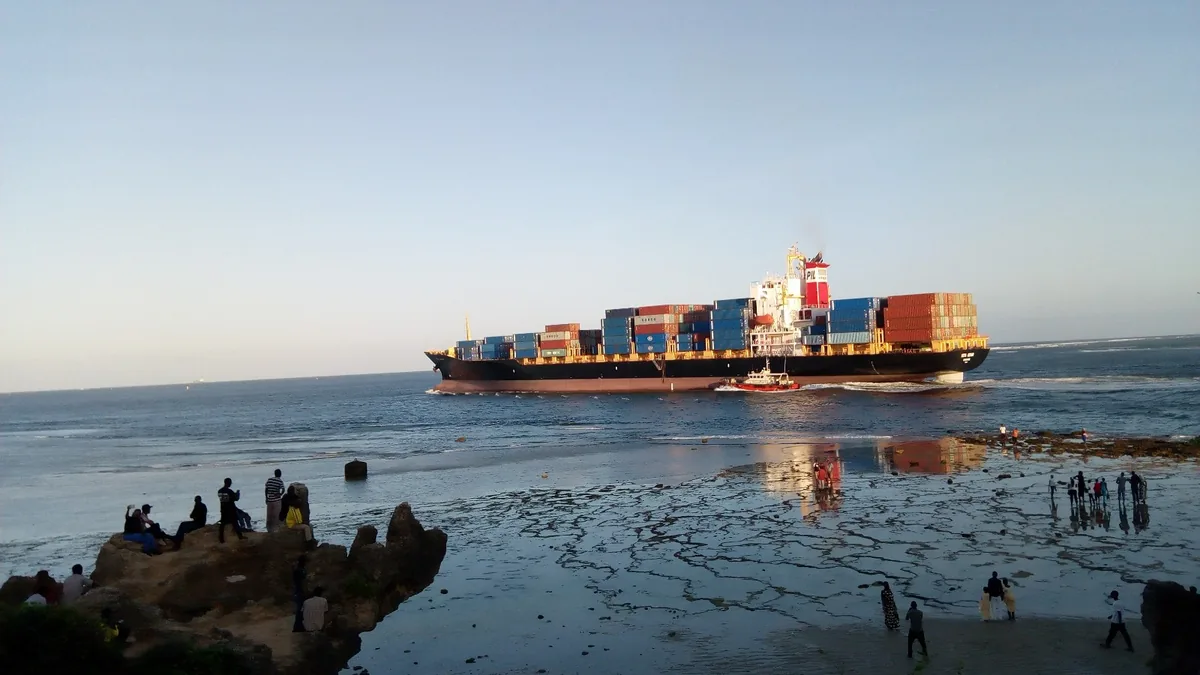
Voyage times differ because ships call at different ports. Some go directly to Mombasa; others stop at Durban, Maputo or Dar es Salaam first. A car loaded at Yokohama may take a different time from one loaded at Kobe or Moji on the same vessel. Weather and congestion add further delays.
Container shipping is slower to arrange and is usually chosen for high-value cars or when several cars share a container.
At Mombasa: Discharge and Clearing
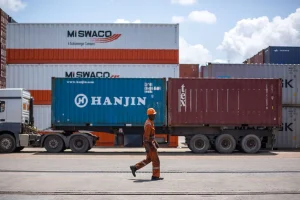
When the ship docks, cars are driven off and parked in the port. Under the Kenya Ports Authority Tariff 2025, a car cleared for use in Kenya gets five consecutive free days starting the day after discharge, weekends included. After that, storage is charged daily: US$20 for a saloon or van up to 1.5 tonnes and US$25 for an SUV or pick-up up to 2 tonnes.
Your clearing agent can lodge the entry as soon as documents are ready, often before the ship arrives. The fastest clearances happen when:
- The original bill of lading or a telex release is with the agent before arrival.
- The roadworthiness certificate and export certificate are on file.
- You have the KRA tax money ready to pay the moment the assessment is issued.
- Your KRA PIN on the entry matches the PIN on your eCitizen account.
Where any of these is missing, clearing can stretch well past the free days. See how clearing agents charge at Mombasa for what the delays cost.
After Release: Getting on the Road
Once KRA releases the car, its details pass to NTSA. You accept the vehicle and pay registration on eCitizen, then apply for reflective number plates. NTSA said in September 2025 that plate applications are processed within seven working days. Until the car has plates and a logbook, it cannot be driven on public roads, so many buyers arrange transport from Mombasa on a car carrier truck.
How to Track Your Car
- Exporter’s tracking page: most large exporters give you a personal page with the vessel name and expected arrival date.
- Vessel name: with the vessel name you can follow the ship on public ship-tracking sites.
- KPA vessel schedules: KPA publishes expected ship arrivals at Mombasa.
- Your clearing agent: once the ship is close, the agent confirms the discharge date.
Timing Your Purchase Around the 8-Year Rule
The KEBS age limit is applied by calendar year. In 2026 only cars first registered in 2019 or later are allowed. If you buy a 2019 car late in the year, a five-week voyage plus Japanese preparation can push arrival into January 2027, when the cutoff moves to 2020 and the car becomes inadmissible. Leave a margin of at least two months for cars near the cutoff.
Frequently Asked Questions
Can I pay extra for a faster ship?
Not usually. Car carriers sail on fixed schedules. The fastest option is choosing a car at a Japanese port with an early direct sailing to Mombasa.
What if the ship is delayed?
Storage at Mombasa only starts after discharge, so a late ship does not add port charges. It can, however, matter for the age cutoff near year-end.
Read next: how to import a car from Japan step by step.
Prefer WhatsApp? Follow Business Radar on WhatsApp
Weekly, free. We only use your email for this newsletter and you can unsubscribe in one click. Privacy policy.