

Updated 20 October 2026
Lipa na M-Pesa is the umbrella name for paying businesses through M-Pesa. It has two main options: Buy Goods tills, used mainly by shops, and paybill numbers, used for bills and accounts. Between them, they handle a huge share of daily retail and bill payments in Kenya. This guide explains how each works, who pays the fees, how to choose the right option for a business and how to apply.
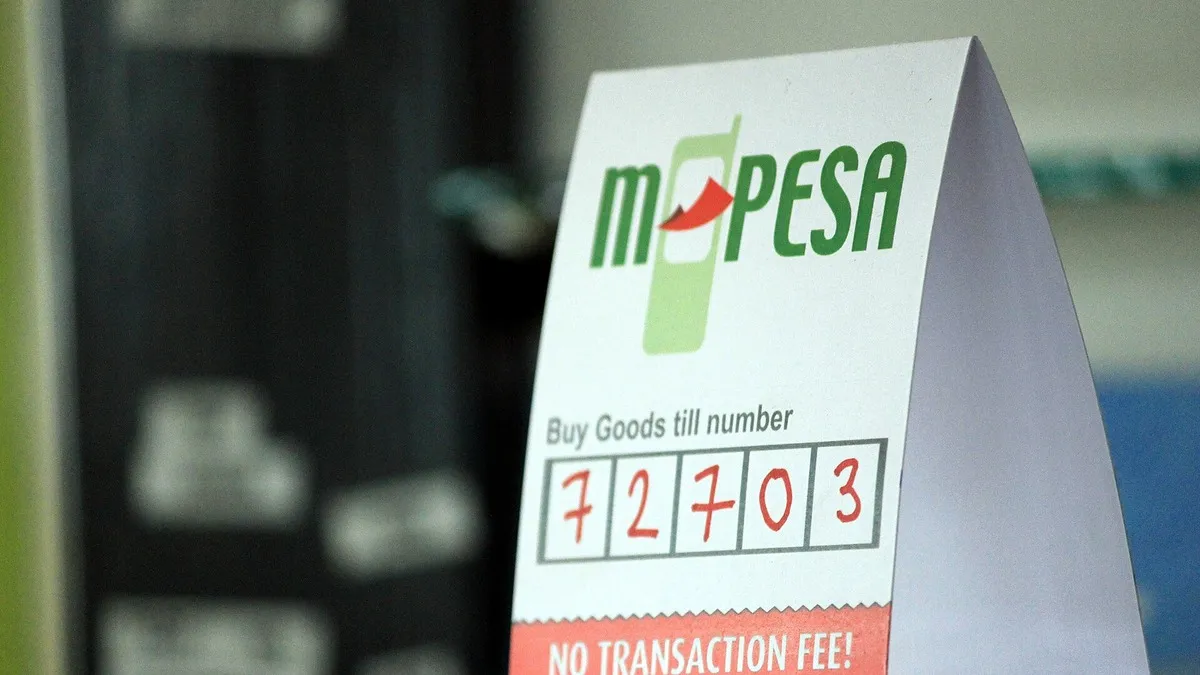
Buy Goods: Paying With a Till Number
Customers select Lipa na M-Pesa, then Buy Goods and Services, enter the till number and amount, and confirm with their PIN. In normal use, customers pay nothing. Safaricom notes some fuel stations as an exception where a customer charge can apply. The merchant pays the cost instead.
| Item | Charge |
|---|---|
| Customer paying a Buy Goods till | Free in normal use |
| Merchant, collections up to KSh 500 | Free |
| Merchant, collections above KSh 500 | 0.55%, capped at KSh 200 |
| Business Till paying another till | 0.27%, capped at KSh 200 |
Paybill: Paying With a Business Number and Account
Customers select Lipa na M-Pesa, then Pay Bill, enter the business number, an account number and the amount. Paybills are used by utilities, schools, banks, SACCOs, landlords and many service businesses. The account number tells the business who paid, such as a meter number or student number.
Paybill fees depend on how the business has set up its tariff. Some absorb the cost, while others pass a fee to the customer. Any customer charge appears on screen before you confirm. Learn more in our guide to paying a paybill.
Which Option Should a Business Choose?
| Business | Best fit |
|---|---|
| Walk in shop, kiosk, restaurant | Buy Goods till |
| School, landlord, SACCO, utility | Paybill |
| Very small trader starting out | Pochi la Biashara |
| Online store needing automatic confirmation | Paybill or till connected through APIs |
Our Pochi, till or paybill comparison goes deeper.
Why Customers Prefer Lipa na M-Pesa
- No need to carry cash.
- Instant confirmation with a receipt by SMS.
- Usually free for Buy Goods payments.
- Payments can also be made from Airtel Money to M-Pesa tills and paybills.
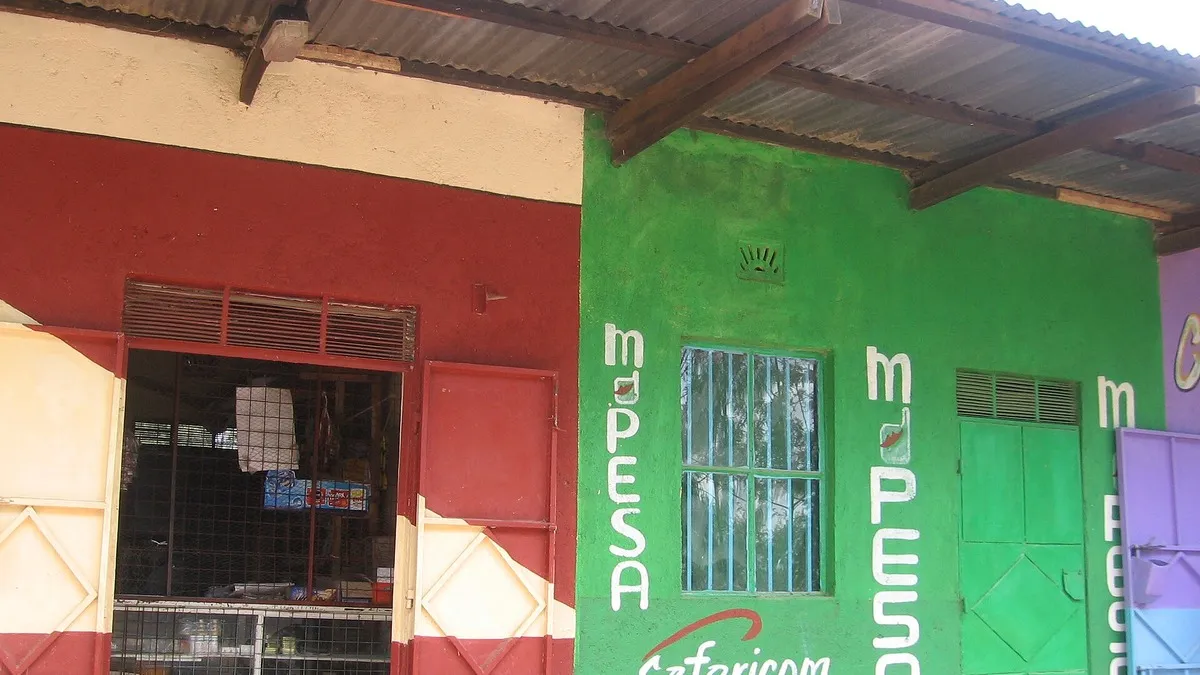
Why Businesses Prefer It
- Less cash to handle, count and bank.
- Lower risk of theft and fake notes.
- Clear records for accounting, tax and loan applications.
- Access to business credit products for eligible tills.
Safety Tips for Both Sides
Customers: check the business name on the confirmation screen before entering your PIN. If it does not match, cancel.
Merchants: never release goods based on a customer’s SMS alone. Fake messages are a common trick. Confirm the payment on your till, app or statement.
Common Mistakes to Avoid
- Customers: entering the wrong till number, choosing Pay Bill when they should choose Buy Goods, or typing the wrong account number on a paybill.
- Merchants: displaying an old or unclear till number, withdrawing every sale and paying fees unnecessarily, and mixing business and personal money.
If a payment goes to the wrong business, contact Safaricom quickly with the transaction code. Reversals are easier when requested early, as covered in our guide to {L(‘how-to-reverse-an-m-pesa-transaction-2026-everything-you-need-to-know’,’M-Pesa reversals’)}.
Staff handling payments should know these rules too, so train cashiers to check every payment on the till before goods leave the counter.
Using Your Records to Grow
Every Lipa na M-Pesa payment leaves a record. Over months, these records show your sales trends, best days and customer habits. They also help when applying for loans, since lenders trust statements more than handwritten books.
How to Apply
Both tills and paybills can be applied for online through Safaricom’s M-Pesa for Business portal or at a Safaricom shop. You will need your ID and, for registered businesses, registration documents and a KRA PIN. See our step by step guides on applying for a Business Till and a paybill on Business Radar.
Frequently Asked Questions
Is Lipa na M-Pesa free for customers?
Buy Goods payments are free for customers in normal use. Paybill charges depend on the business.
What does a merchant pay on a till?
Nothing up to KSh 500, then 0.55% capped at KSh 200.
What is the difference between a till and a paybill?
A till takes a number and amount. A paybill also takes an account number so payments can be matched.
Can I pay a till from Airtel Money?
Yes.
Which is better for a school?
A paybill, so fees can be matched to each student.
Prefer WhatsApp? Follow Business Radar on WhatsApp
Weekly, free. We only use your email for this newsletter and you can unsubscribe in one click. Privacy policy.