



Get breaking business news on WhatsApp
SHA cancer care is changing: patients already approved by the Social Health Authority will no longer need a fresh preauthorisation for every treatment cycle, Health Cabinet Secretary Aden Duale has said. One approval can now cover multiple cycles, investigations and supportive medicines in an approved care plan, and patients can take that treatment at any contracted SHA hospital.
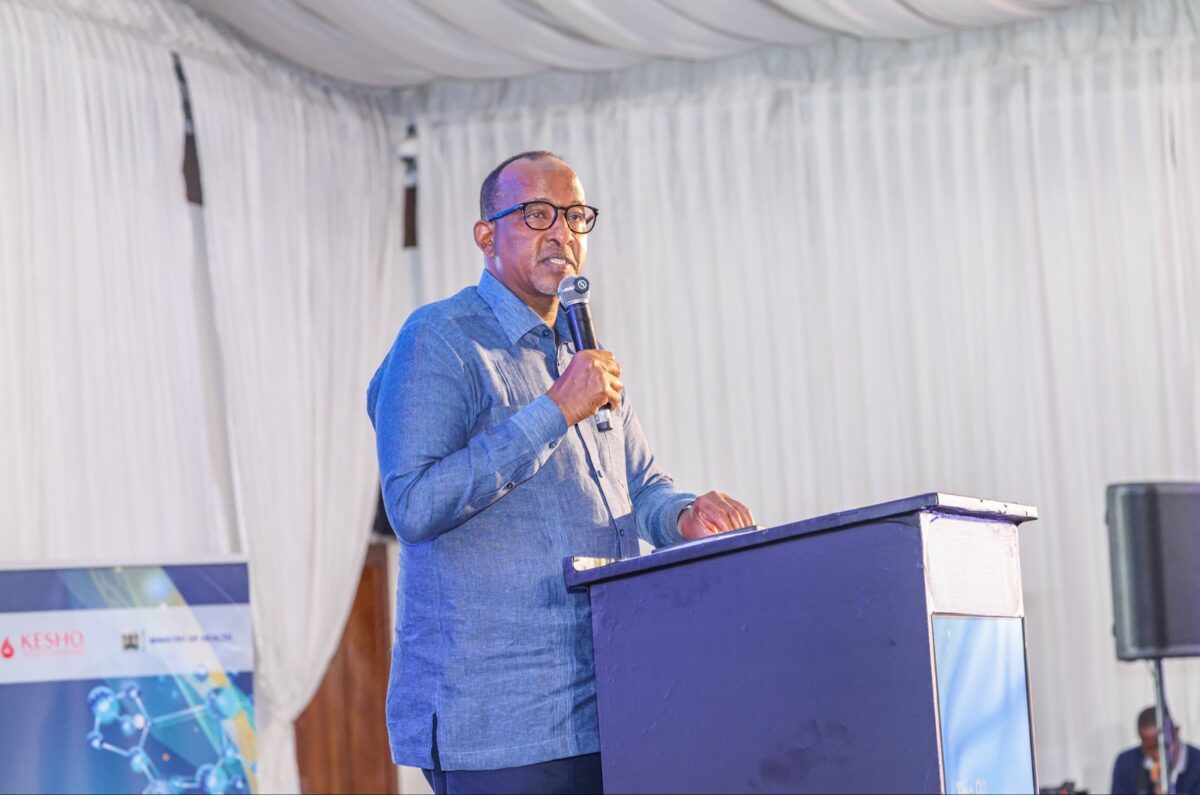
Mr Duale set out five changes on 20 and 21 November, responding to complaints from cancer patients about repeated approvals, long queues and top-up bills. He said the KSh800,000 oncology benefit “has NOT been reduced” and that the new rules, built into SHA’s digital system, “are now in force”.
On this page
The five SHA cancer care changes
According to the Cabinet Secretary’s statement, the reforms are:
- One preauthorisation, tied to the patient rather than the facility, for the whole approved care plan.
- One continuous patient record across participating hospitals, to end duplicate files.
- Specialist oversight: oncologists must lead treatment plans, choose chemotherapy regimens and set patient-specific doses.
- Tighter management of the KSh800,000 benefit, so hospitals do not use up a patient’s allocation and then ask for cash.
- Fair and transparent charges, with more uniform prices across facilities, “particularly in the private sector”.
“Public hospitals should not charge patients out of pocket for covered oncology services while they still have an available balance within their KES 800,000 allocation,” Mr Duale said.

Why SHA cancer care top-up bills still happen
The benefit is made up of KSh400,000 under the Social Health Insurance Fund (SHIF) and KSh400,000 under the Emergency, Chronic and Critical Illness Fund (ECCIF). It rose from KSh550,000 to KSh800,000 per patient on 1 December 2025, the Ministry of Health says.
Mr Duale said hospitals used to charge different prices for similar medicines, so some patients ran out of cover before finishing treatment. Payments are now tied to the National Cancer Treatment Guidelines.
Extra costs can still arise “where hospital charges differ from approved rates, or treatment falls outside the covered package”, he said, but patients “should not be asked to pay again for services already covered and paid for by SHA”. He added that some government providers are resisting the automated guidelines: “The clinicians want to decide on the prices to charge SHA and not the negotiated market rates.”
Hospitals that think SHA tariffs are “unrealistic, inadequate or clinically impractical” were told to raise it directly with the ministry. Our guide to the SHA cancer package explains the limits and tariffs in detail.
SHA cancer care in numbers
| Measure | Figure |
|---|---|
| Kenyans registered with SHA | 33.7 million |
| Patients treated for cancer through SHA | 53,465 |
| Paid to facilities for oncology claims | KSh11.6 billion |
| New cancer cases a year | 35,867 |
| Cancer deaths a year | 22,888 |
| Herceptin per session under SHA | KSh40,000 (was KSh120,000) |
Source: Ministry of Health, 20 November 2026. The ministry says a Pfizer partnership has cut the prices of nine cancer medicines by 70% to 90%, and Roche lowered the Herceptin price. Kenya has fewer than 100 cancer specialists.
What SHA cancer care patients and hospitals should do
Patients who are already approved should not be sent back for a new authorisation for each chemotherapy cycle in their care plan. Anyone asked to pay while their KSh800,000 balance is still open at a public hospital can query the charge with SHA. Our list of SHA contacts and customer care numbers has the channels, and our SHA vs NHIF vs SHIF explainer covers how the funds fit together.
For private hospitals, insurers and drug suppliers, the bigger change is pricing: SHA cancer care is now paid against standard tariffs.
Frequently asked questions
What is the SHA cancer care benefit limit?
It is KSh800,000 per patient: KSh400,000 under SHIF and KSh400,000 under the Emergency, Chronic and Critical Illness Fund. The Health Ministry says it has not been reduced.
Do cancer patients need preauthorisation for every chemo cycle?
No. Under the new SHA cancer care rules, one patient-based approval covers the cycles, tests and supportive medicines in an approved care plan at any contracted SHA hospital.
Can a hospital ask a cancer patient to top up?
Extra costs can arise if a hospital charges above approved rates or the treatment is outside the package. Public hospitals should not charge for covered services while the patient still has a balance.
How much has SHA paid for cancer treatment?
The Ministry of Health says KSh11.6 billion has been paid to health facilities for oncology claims, and 53,465 patients have accessed cancer treatment through SHA.
Prefer WhatsApp? Follow Business Radar on WhatsApp
We will email you a weekly money and business brief. We store your email (and your name, if you give one) for that purpose, under the Kenya Data Protection Act, 2019. You can unsubscribe at any time. Privacy policy.

