


Get breaking business news on WhatsApp
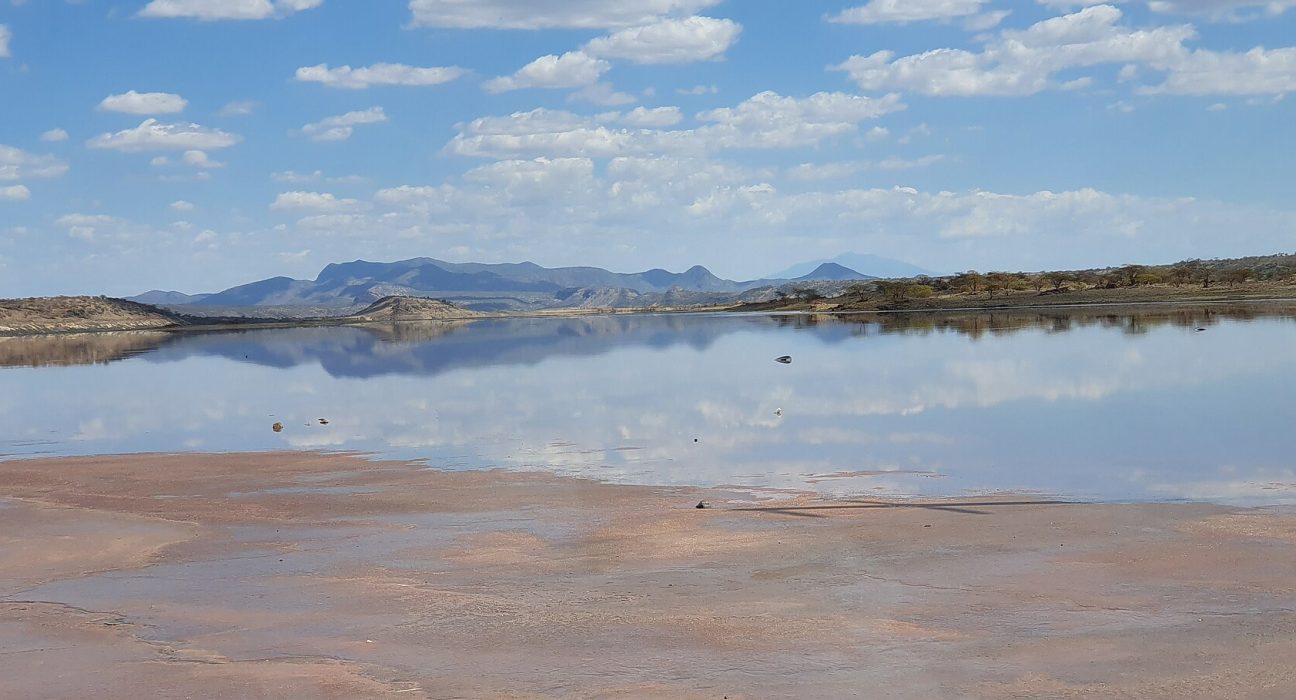
President William Ruto has ordered that Lake Magadi’s soda ash area in Kajiado County be opened to four or five new companies, ending the long run in which Tata Chemicals Magadi has been the only large miner there. He also told the Mining Ministry that Kenya must stop exporting the mineral in raw form.
For investors, suppliers and job seekers in Kajiado, the message is that the 240,000-acre mining area is set to be shared out, and that any new player will be expected to turn soda ash into glass and chemicals inside Kenya rather than ship it out.
What Ruto said
Speaking on Tuesday, October 27, as he wound up a four-day development tour of Ukambani, the President said he had given Mining Cabinet Secretary Hassan Joho firm instructions on Magadi.
“Now that the cases have been determined in court, we must expand opportunities in Magadi,” Ruto said. “There is no way we are going to allow one company to monopolise a big resource that can support industries in Kenya.”
He added: “My instructions are that we should never export our soda ash in raw form. It must be added value here in Kenya, in Kajiado County. That facility will accommodate four to five companies.” Addressing Joho directly, he said the country must manufacture glass using raw materials from Magadi.
No new company has been named, and the ministry has not yet published a timetable, licensing terms or an application process. In September, Joho said the government would re-advertise the opportunity and that bidders “must show us what they will do for this country”.
Why Magadi matters
Soda ash, or sodium carbonate, is a key input for glass, detergents and several industrial chemicals. The government wants those products made in factories near the lake instead of shipping out the raw mineral.
Official figures show Kenya exported 254,779 tonnes of soda ash worth $56.9 million (about KSh7.4bn) in the year to July 2025. Tata Chemicals, through its Kenyan unit, has run the plant since 2005, taking over the former Magadi Soda Company, which has worked the lake for more than a century.
Where the Tata dispute stands
The new directive comes three months after the Ministry of Mining suspended Tata Chemicals Magadi’s operations on July 28, citing royalty reconciliation, weak export reporting, the lack of a value-addition plan, community development agreements and local hiring. Exports were also halted. The company says it filed the documents the ministry asked for on August 11 and maintains that it is compliant.
As we reported earlier this month, Tata told the High Court that more than 500 direct employees and about 600 contractors depend on the plant, and that a planned KSh3.62bn expansion was at risk. Tata later told investors in India that the High Court had ruled it had no jurisdiction over the dispute, leaving the matter with a technical committee co-chaired by the Mining Principal Secretary and Tata’s chief executive. Tata’s managing director, R Mukundan, has said the company holds a lease on the mine for another 30 years.
Kajiado Governor Joseph ole Lenku says the company must still settle county land rates and royalties, which county leaders put at KSh17bn, as well as community claims of about KSh1bn, return community land and restore a water supply from Nguruman.
What happens next
The key questions now are whether Tata keeps a share of the field, how the area will be split among new entrants, and what processing commitments licence holders will have to make. Until the ministry sets out the terms, the plant remains idle and Magadi town’s transporters and traders remain without contract income.
The Magadi order is part of a wider government push for local processing of minerals and building materials. Ruto broke ground on Tuesday on Devki’s clinker plant at Ngaaie in Kitui and is due to launch Bamburi’s Matuga clinker plant in Kwale, while Devki Steel is seeking an iron ore licence in Taita Taveta. If new soda ash processors are licensed, openings for engineers, chemists and plant technicians are likely to follow on jobinkenya.co.ke.
Prefer WhatsApp? Follow Business Radar on WhatsApp
Weekly, free. We only use your email for this newsletter and you can unsubscribe in one click. Privacy policy.

