Updated 20 October 2026
Quick answer: NHIF was Kenya’s old national health insurer. It has been replaced by the Social Health Authority (SHA), set up under the Social Health Insurance Act of 2023, which repealed the NHIF Act. SHIF (the Social Health Insurance Fund) is one of three funds that SHA manages. You pay 2.75% of your gross income to SHIF, with a minimum of KSh 300 a month, compared with NHIF’s fixed bands of KSh 150 to KSh 1,700.
In this guide
SHA, SHIF and NHIF: What Each Name Means
- NHIF (National Hospital Insurance Fund): the old state health insurer. Its law was repealed, and SHA took over its role in October 2024.
- SHA (Social Health Authority): the organisation. SHA describes itself as the body established in 2023 under an Act of Parliament that repealed the NHIF Act. It registers members, collects contributions, contracts hospitals and pays claims.
- SHIF (Social Health Insurance Fund): one of SHA’s three funds, and the one your monthly 2.75% goes into. People often say “SHIF” when they mean the whole new system.
So “SHA vs SHIF” is not really a choice. SHA is the authority and SHIF is one of its funds. The real comparison is the new SHA system against the old NHIF.
Side-by-Side Comparison
| Item | NHIF (old system) | SHA / SHIF (current system) |
|---|---|---|
| Law | National Hospital Insurance Fund Act, 1998 (now repealed) | Social Health Insurance Act No. 16 of 2023 |
| Who runs it | National Hospital Insurance Fund | Social Health Authority (SHA) |
| Salaried contribution | Fixed bands by gross pay, KSh 150 to KSh 1,700 a month | 2.75% of gross monthly pay, no upper limit |
| Self-employed or informal sector | Flat KSh 500 a month | 2.75% of household income set by means testing, paid as a full annual premium |
| Minimum | KSh 150 (salaried) | KSh 300 a month |
| Funds | One fund | Three funds: Primary Healthcare Fund, Social Health Insurance Fund, Emergency, Chronic and Critical Illness Fund |
| Waiting period | Not applicable now (NHIF has closed) | None at SHA-contracted facilities once registered |
| Children as dependants | Registered on the principal member’s cover | Registered on the principal member’s cover, with no limit on the number of legal children |
| Late payment (SHA) | Not applicable now | 2% a month on unpaid contributions (section 27(6)); access blocked until cleared |
How Much You Pay: NHIF vs SHIF
Under NHIF, salaried workers paid a fixed amount set by income band, from KSh 150 for those earning under KSh 6,000 up to a cap of KSh 1,700 for anyone earning KSh 100,000 or more. Self-employed members paid a flat KSh 500 a month.
SHA’s premium rates page sets SHIF contributions at 2.75% of gross monthly income, with a minimum of KSh 300 a month and no upper limit for any group. Employers deduct it from salaried workers and remit it to SHA. Contributions are due by the 9th day of each month, according to the Social Health Insurance Regulations, 2024.
Here is what that means at different salaries:
| Gross monthly pay (KSh) | Old NHIF (KSh) | SHIF at 2.75% (KSh) | Difference |
|---|---|---|---|
| 10,000 | 400 | 300 (minimum applies; 2.75% is 275) | KSh 100 less |
| 20,000 | 750 | 550 | KSh 200 less |
| 30,000 | 900 | 825 | KSh 75 less |
| 50,000 | 1,200 | 1,375 | KSh 175 more |
| 100,000 | 1,700 | 2,750 | KSh 1,050 more |
| 200,000 | 1,700 | 5,500 | KSh 3,800 more |
Workers earning from about KSh 8,000 to about KSh 32,700 a month pay less than they did under NHIF. Those earning under KSh 6,000 pay more, because the KSh 300 minimum is double NHIF’s old KSh 150 band. Above roughly KSh 33,000, SHIF costs more than NHIF did, and the gap widens with pay because SHIF has no cap. Work out your own figure with our SHIF calculator, and see your full payslip deductions on the PAYE calculator.
Non-salaried people
If you are self-employed or in the informal sector, SHA uses a means-testing process to estimate your household income, then charges 2.75% of it, never less than KSh 300 a month. The big change from NHIF is timing. SHA’s FAQ explains that under NHIF many people paid only when they needed treatment, which made the fund unstable, so the new law requires the full annual premium. For people who can’t pay a year at once, SHA runs Lipa SHA Pole Pole through the Hustler Fund: you pay the first four months upfront (M-Pesa paybill 200222, account number your ID number, or *147#) and spread the rest in instalments.
What Is Covered: The Three SHA Funds
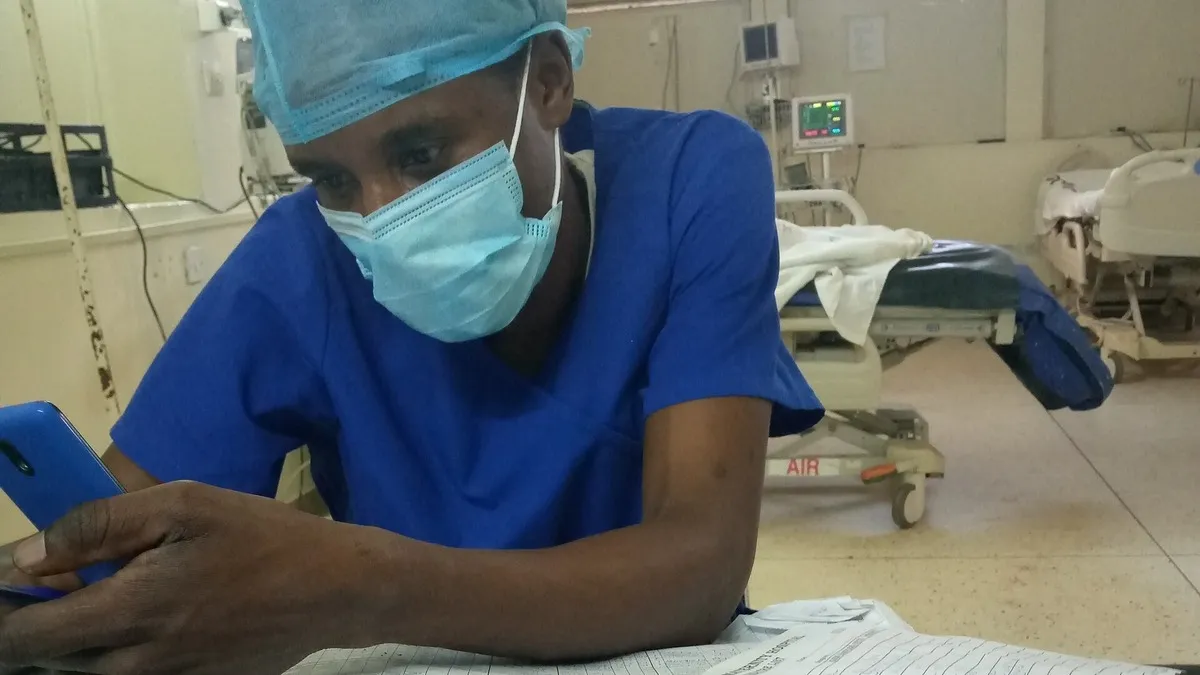
NHIF ran a single fund. SHA splits cover into three.
| Fund | What it pays for | Where |
|---|---|---|
| Primary Healthcare Fund (PHF) | Outpatient consultations, lab tests, X-rays and ultrasounds, prescriptions, immunisation, maternal and child health, family planning, cancer screening, eye tests | Level 2, Level 3 and select Level 4 facilities, free for registered members and dependants |
| Social Health Insurance Fund (SHIF) | Inpatient care, surgery, maternity and caesarean sections, renal care and dialysis, mental health, cancer treatment, MRI and CT imaging, specialised lab tests | Level 4 to 6 facilities on referral; you must be registered and paid up |
| Emergency, Chronic and Critical Illness Fund (ECCIF) | Ambulance evacuation, accident and emergency care, ICU, HDU, NICU and burns units, palliative care, chronic disease management | Contracted facilities, for registered members |
SHA says there is no waiting period at contracted facilities once you are registered, no exclusion for pre-existing conditions and no age limit. Check that your hospital is contracted before you go, using our list of SHA accredited hospitals by county.
Penalties and Staying Active
Late contributions attract a penalty of 2% a month on the unpaid amount under section 27(6) of the Act. SHA’s penalty module went live on 10 July 2025. If penalties are unpaid, the system will not generate a new payment reference number (PRN) and your account can be marked inactive, which stops you from using SHA services until you clear the balance.
What Happened to Your NHIF Membership
- Registration: you need to be registered with SHA. Use your national ID (or alien or refugee ID) and add your spouse and children. See how to register with SHA, then log in to the SHA portal and check your SHA registration status.
- Advance NHIF payments: SHA says contributions paid upfront to NHIF for an extended period are moved to SHA, but only after you register and complete means testing.
- New babies: notify SHA within 14 days of birth with a birth notification or certificate.
- Adding a spouse later: submit a marriage certificate or sworn affidavit with a copy of their ID.
For help, SHA lists toll-free 0800 720 601, short code 147 and customerservice@sha.go.ke, or visit one of the SHA offices in Nairobi. Some people add a private medical cover, such as one from Heritage Insurance, for higher limits. HR and payroll jobs that handle these deductions are listed on JobinKenya.
Frequently Asked Questions
Is SHA the same as NHIF?
No. SHA replaced NHIF. The Social Health Insurance Act of 2023 repealed the NHIF Act, and SHA now runs national health insurance.
What is the difference between SHA and SHIF?
SHA is the authority. SHIF is one of the three funds it manages, alongside the Primary Healthcare Fund and the Emergency, Chronic and Critical Illness Fund.
How much is SHIF per month?
2.75% of gross monthly income, with a minimum of KSh 300 and no maximum.
How much was NHIF per month?
Salaried members paid KSh 150 to KSh 1,700 depending on income. Self-employed members paid KSh 500.
When are SHA contributions due?
By the 9th of each month.
Can I use SHA the day I register?
Yes. SHA says there is no waiting period at contracted facilities once you are registered. SHIF hospital cover at Level 4 to 6 needs you to be paid up.
Prefer WhatsApp? Follow Business Radar on WhatsApp
Weekly, free. We only use your email for this newsletter and you can unsubscribe in one click. Privacy policy.